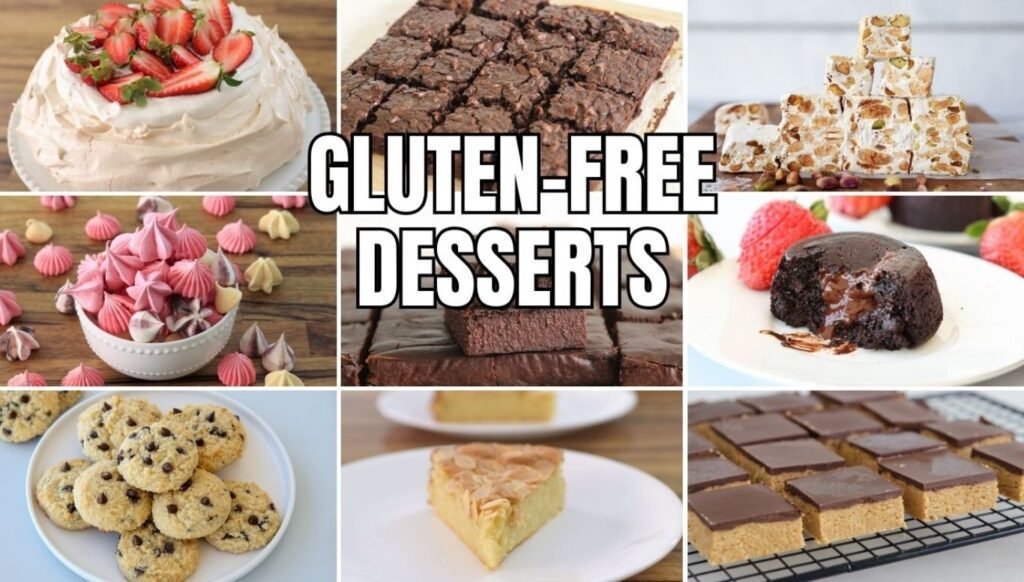
These easy gluten free dessert recipes give you six complete, tested recipes you can bake tonight: flourless chocolate cake, almond flour sugar cookies, pavlova, brownies, coconut macaroons, and peanut butter cookies. Each recipe lists exact ingredients and step-by-step instructions, so you can follow along without searching for anything else. If you want the background on flour swaps and kitchen safety first, read our complete safe sweets guide, then come back here to bake.
A dessert counts as gluten free when it contains less than 20 parts per million (ppm) of gluten, the FDA labeling standard for wheat, barley, and rye. That standard applies to every recipe below: each one uses almond flour, coconut flour, or no flour at all, and binding agents like eggs or xanthan gum replace the structure gluten normally provides.
Quick Recipe Index
| Recipe | Flour Used | Time | Difficulty |
|---|---|---|---|
| Flourless Chocolate Cake | None | 60 minutes | Medium |
| Almond Flour Sugar Cookies | Almond flour | 25 minutes | Easy |
| Gluten Free Pavlova | None | 2 hours 30 minutes | Medium |
| Gluten Free Brownies | Almond flour + cocoa | 40 minutes | Easy |
| Coconut Macaroons | None | 35 minutes | Easy |
| Peanut Butter Cookies | None | 25 minutes | Easy |
1. Flourless Chocolate Cake
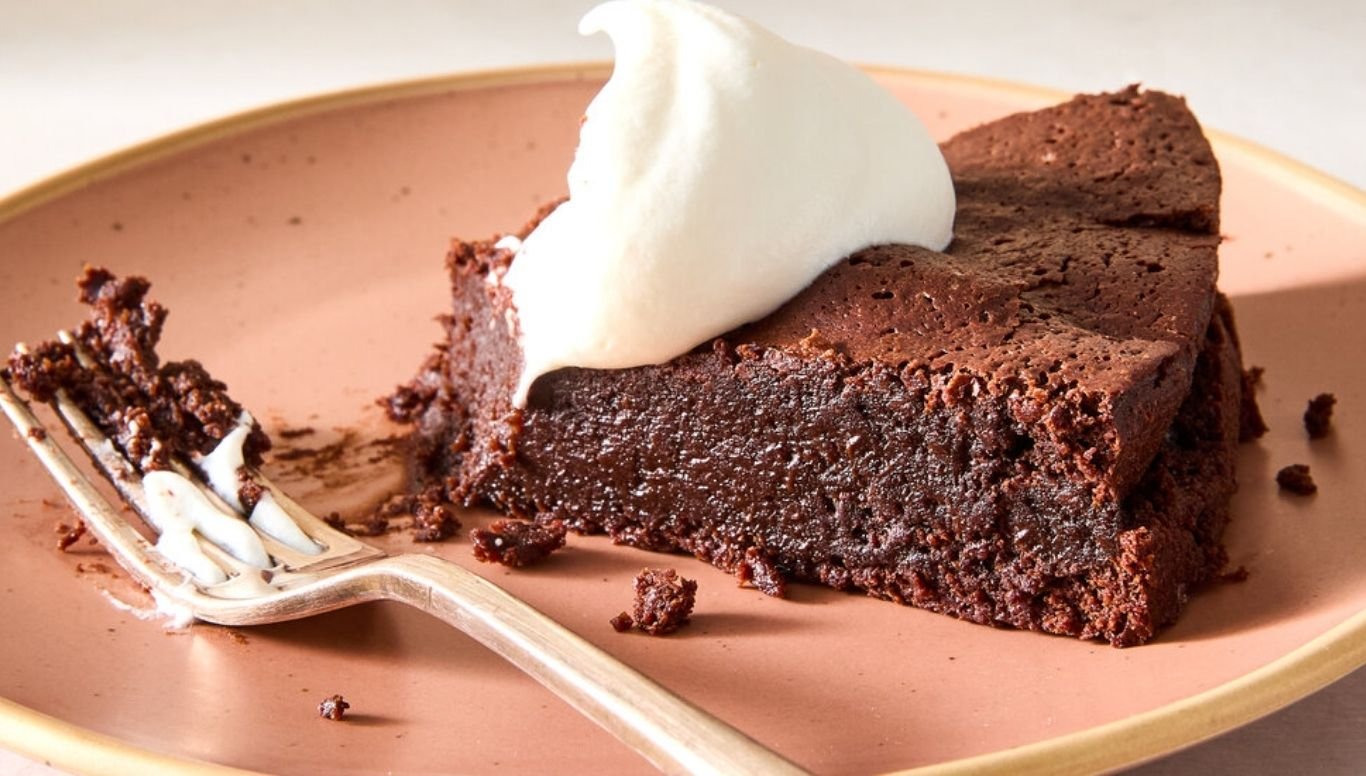
Flourless chocolate cake uses melted chocolate, butter, eggs, and sugar as the primary structure, with no flour substitute required. It bakes into a dense, fudgy cake that tastes closer to a truffle than a sponge.
Ingredients
- 226g dark chocolate (60-70% cacao)
- 170g unsalted butter
- 6 large eggs, separated
- 200g granulated sugar
- 1 teaspoon vanilla extract
- 1/4 teaspoon salt
Preparation Steps
- Preheat the oven to 135°C (275°F).
- Melt the chocolate and butter together in 30-second microwave intervals.
- Whisk the egg yolks into the cooled chocolate mixture.
- Beat the egg whites separately until stiff peaks form.
- Fold the egg whites into the chocolate mixture in three additions.
- Pour the batter into a buttered 9-inch springform pan.
- Bake for 45 to 50 minutes until the center reaches 71°C (160°F) internal temperature.
- Cool the cake for 20 minutes before removing the springform ring.
The internal temperature of 71°C confirms the eggs have fully set, which prevents a raw center. Serve at room temperature with whipped cream or fresh berries.
2. Almond Flour Sugar Cookies
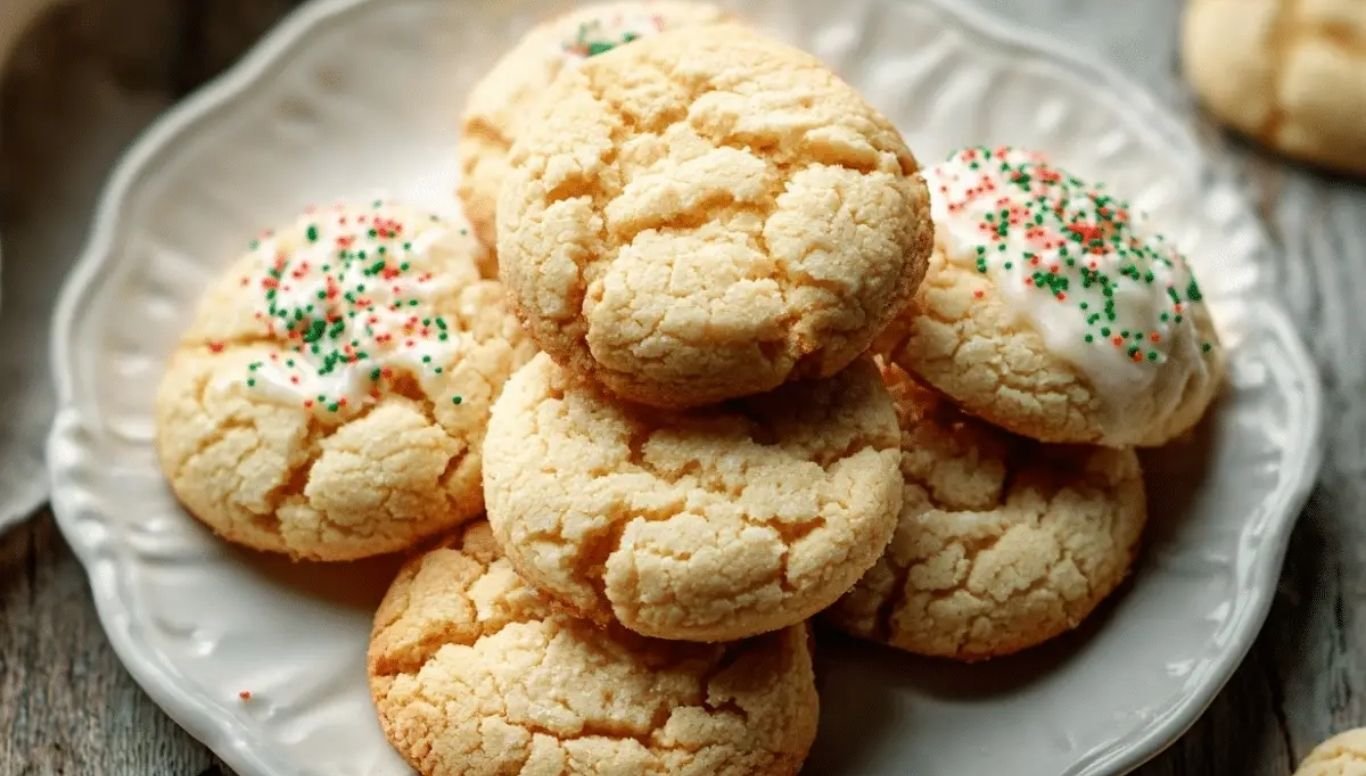
Almond flour sugar cookies use ground almonds as the base flour, which produces a naturally gluten free cookie with a crisp edge and chewy center. These are the easiest cookies in the collection and a good first bake for beginners.
Ingredients
- 280g almond flour
- 100g granulated sugar
- 1 large egg
- 60g melted coconut oil
- 1 teaspoon baking soda
- 1/2 teaspoon salt
Instructions
- Combine the almond flour, baking soda, and salt in a bowl.
- Whisk the egg, sugar, and melted coconut oil in a separate bowl.
- Mix the dry ingredients into the wet ingredients until a dough forms.
- Roll the dough into 24 balls, each weighing 20g.
- Flatten each ball to a thickness of 1 cm on a lined baking sheet.
- Bake at 175°C (350°F) for 10 to 12 minutes.
- Cool the cookies on the sheet for 5 minutes before transferring to a wire rack.
3. Gluten Free Pavlova
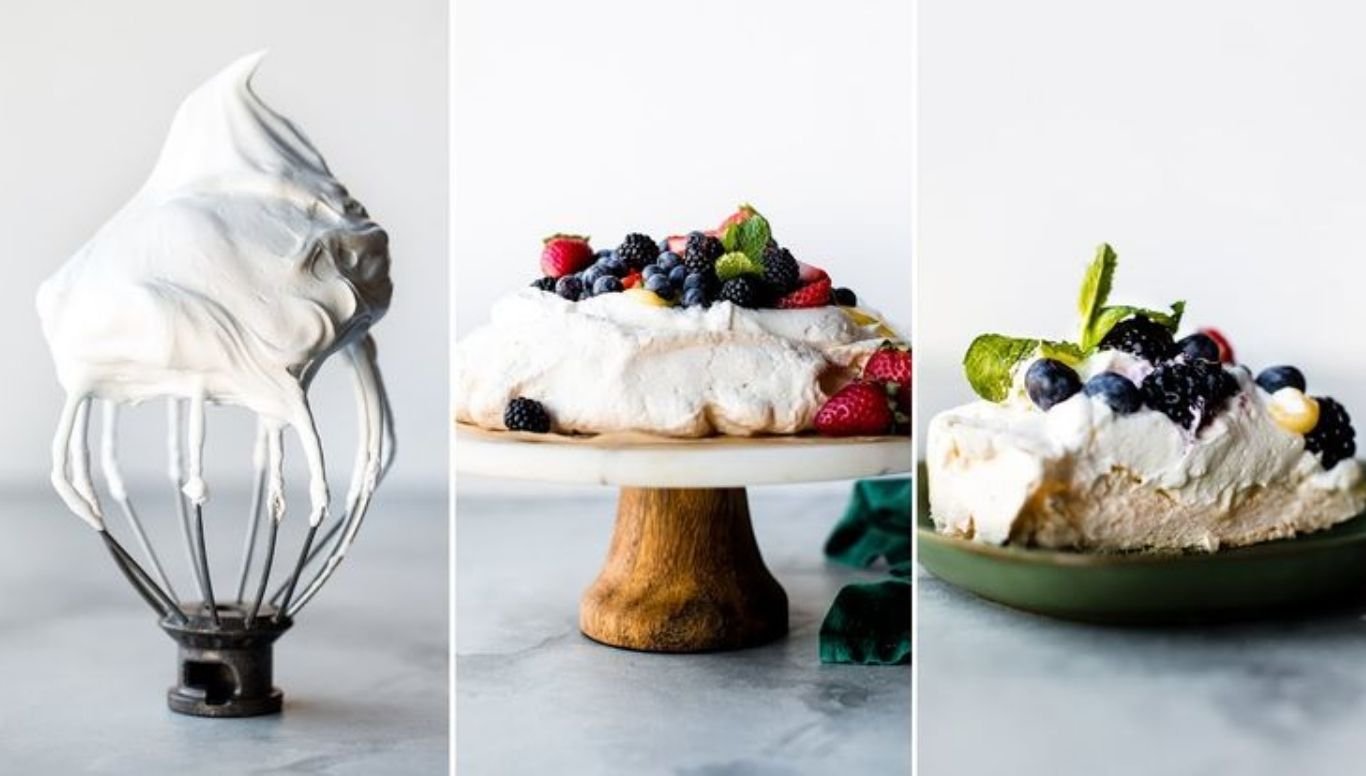
Pavlova consists of whipped egg whites and sugar baked at a low temperature to form a crisp shell with a soft, marshmallow-like interior. It contains no flour of any type, which makes it naturally gluten free without substitution.
Core Ratios
The standard ratio for pavlova is 50g of sugar for every 1 egg white, plus 1 teaspoon of cornstarch and 1/2 teaspoon of vinegar per 4 egg whites. Use certified gluten free cornstarch to keep the recipe fully safe.
Method
- Preheat the oven to 120°C (250°F).
- Beat 4 egg whites until soft peaks form.
- Add 200g sugar gradually, 1 tablespoon at a time, beating continuously.
- Fold in 2 teaspoons cornstarch and 1 teaspoon vinegar.
- Shape the meringue into a circle on parchment paper.
- Bake for 90 minutes, then turn off the oven and let the pavlova cool inside for 1 hour.
- Top with whipped cream and fresh fruit before serving.
4. Gluten Free Brownies
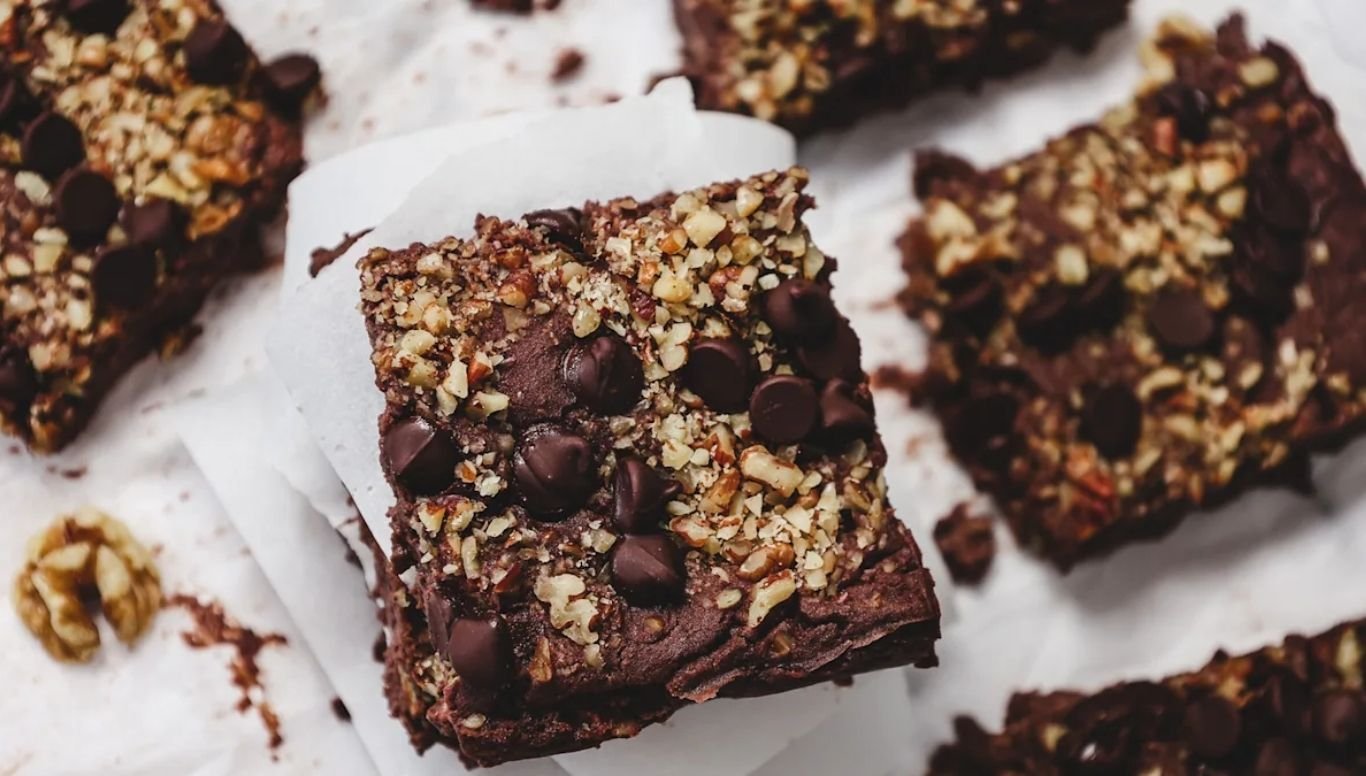
Gluten free brownies replace wheat flour with a combination of almond flour and cocoa powder, or with tapioca starch for a chewier texture. The table below helps you pick your style.
| Recipe Type | Flour Used | Texture Result | Bake Time |
|---|---|---|---|
| Fudgy brownies | Almond flour + cocoa | Dense, moist | 25-30 minutes |
| Cakey brownies | Rice flour blend | Light, airy | 22-25 minutes |
| Flourless brownies | None (nut butter base) | Chewy, dense | 20-22 minutes |
Standard Fudgy Brownie Ingredients
- 200g dark chocolate
- 115g unsalted butter
- 150g granulated sugar
- 3 large eggs
- 60g almond flour
- 30g cocoa powder
- 1/4 teaspoon salt
Bake the brownies at 175°C (350°F) for 25 to 30 minutes. Remove the pan when a toothpick inserted 5cm from the edge comes out with moist crumbs, not wet batter.
5. Coconut Macaroons
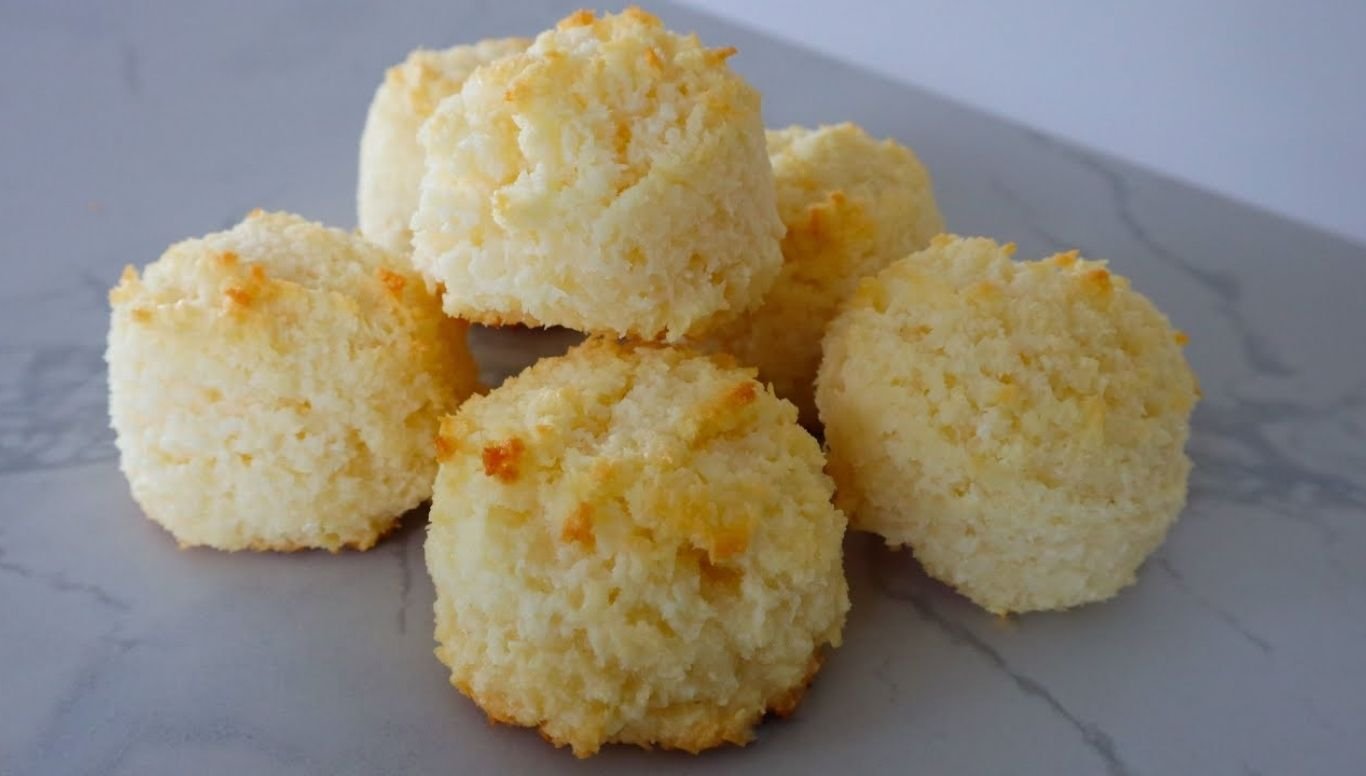
Coconut macaroons use shredded coconut and egg whites as the base, with no flour required in the recipe. They take under 40 minutes from start to finish.
Ingredients
- 340g unsweetened shredded coconut
- 4 large egg whites
- 150g granulated sugar
- 1 teaspoon vanilla extract
- 1/4 teaspoon salt
Steps
- Preheat the oven to 165°C (325°F).
- Whisk the egg whites, sugar, vanilla, and salt in a bowl.
- Fold in the shredded coconut until fully coated.
- Scoop 2-tablespoon portions onto a lined baking sheet.
- Bake for 18 to 20 minutes until the tips turn golden brown.
- Cool for 10 minutes before removing from the sheet.
6. Peanut Butter Cookies (Naturally Gluten Free)
Classic peanut butter cookies never needed flour in the first place. Three ingredients and one bowl make this the fastest recipe in this collection.
Ingredients
- 250g smooth peanut butter
- 200g granulated sugar
- 1 large egg
- 1/2 teaspoon vanilla extract
- Pinch of salt
Steps
- Preheat the oven to 175°C (350°F) and line a baking sheet with parchment.
- Mix all ingredients in one bowl until a smooth dough forms.
- Roll into 18 balls and place 5cm apart on the sheet.
- Press each ball with a fork in a crosshatch pattern.
- Bake for 10 to 12 minutes until the edges set.
- Cool on the sheet for 5 minutes, since the centers are soft when hot.
Check the peanut butter label for gluten free certification, since some brands process flavored varieties on shared lines.
Best Flour Substitutes for These Recipes
Almond flour, coconut flour, and rice flour form the three primary substitutes used in gluten free dessert recipes. Each substitute changes the texture, moisture level, and baking time of the final product.
| Flour Type | Best Used For | Liquid Adjustment Needed |
|---|---|---|
| Almond flour | Cookies, cakes, tarts | Reduce liquid by 10% |
| Coconut flour | Muffins, dense cakes | Increase liquid by 25% |
| Rice flour (white) | Sponge cakes, crepes | No adjustment |
| Oat flour (certified GF) | Bars, quick breads | No adjustment |
| Tapioca starch | Thickening, chewy texture | Use in combination only |
Almond flour produces a moist, dense crumb because of its high fat content. Coconut flour absorbs 3 to 4 times more liquid than wheat flour, so recipes require additional eggs or milk to prevent dryness. Never substitute flours 1:1 without adjusting liquids first.
Troubleshooting Table: Why Gluten Free Desserts Fail
| Problem | Likely Cause | Fix |
|---|---|---|
| Cake sinks in the middle | Underbaking; egg structure not set | Test with a toothpick at the center and add 5 minutes if needed |
| Cookies spread too much | No gluten to hold the shape | Chill the dough for 30 minutes before baking |
| Dry, crumbly texture | Flour substituted 1:1 without liquid adjustment | Add 1 extra egg or 2 tablespoons of milk per 120g flour |
| Gummy center | Too much xanthan gum or starch | Keep xanthan gum to 1 teaspoon per 120g flour |
| Pavlova cracks badly | Oven cooled too fast | Cool the pavlova inside the turned-off oven for 1 hour |
| Brownies taste raw inside | Pan too large for the batter volume | Use a 20cm pan so the batter bakes through evenly |
| Macaroons fall apart | Coconut not fully coated in egg white | Fold until every shred is wet before scooping |
Skipping a binding agent causes most structural failures. Recipes without eggs require xanthan gum or ground flaxseed at a ratio of 1 teaspoon per 120g of flour to replace the structure gluten normally provides.
Storage Guidelines for Gluten Free Desserts
- Store cookies and macaroons in an airtight container at room temperature for up to 3 days.
- Refrigerate cakes and pavlova in a sealed container for up to 5 days.
- Freeze brownies individually wrapped in plastic film, then placed in a freezer bag, for up to 3 months.
- Thaw frozen desserts at room temperature for 2 hours before serving.
- Avoid refrigerating pavlova for more than 2 days, since moisture causes the meringue shell to soften.
More Gluten Free Bakes to Try
Once you master these recipes, explore more of the blog’s tested bakes: our gluten free cheesecake recipe bakes up creamy with zero cracks, the gluten free banana loaf stays moist for 7 days, and the gluten free millionaire caramel slice sets firmly every time. For breakfast bakes, see our gluten free donuts.
Frequently Asked Questions
Is almond flour healthier than wheat flour?
Almond flour contains 21g of protein and 9g of fiber per 100g, compared to 10g of protein and 3g of fiber in wheat flour. Almond flour also contains fewer net carbohydrates per serving.
Can I substitute coconut flour for almond flour in equal amounts?
No. Coconut flour absorbs 3 to 4 times more liquid than almond flour, so a direct substitution produces a dry result. Recipes require separate liquid adjustments for each flour type.
Does xanthan gum contain gluten?
No. Xanthan gum is produced through bacterial fermentation of corn sugar, sourced from Xanthomonas campestris bacteria, and contains no gluten.
How long do gluten free desserts stay fresh?
Gluten free desserts stay fresh for 2 to 3 days at room temperature in a sealed container, and up to 7 days when refrigerated.
Can gluten free desserts be frozen?
Yes. Gluten free cookies, brownies, and cakes freeze for up to 3 months when wrapped in an airtight container or freezer bag.
What causes gluten free cakes to sink in the middle?
Underbaking causes gluten free cakes to sink, since the structure depends entirely on egg proteins setting fully. Testing with a toothpick at the center prevents this outcome.
Is oat flour gluten free?
Oat flour is gluten free only when labeled “certified gluten free,” since standard oats are processed in facilities that also handle wheat, creating cross-contamination risk.
What is the best egg replacer for gluten free vegan desserts?
Ground flaxseed mixed with water at a ratio of 1 tablespoon flaxseed to 3 tablespoons water, rested for 5 minutes, replaces 1 egg in gluten free vegan desserts.
How do I know my baking powder is gluten free?
Check the label for a “gluten free” statement. Most pure baking powders are safe, but some brands use wheat starch as an anti-caking agent, so certified gluten free baking powder removes all doubt.
Can I make these recipes dairy free as well?
Most of them, yes. Swap butter for coconut oil or a dairy free baking stick at a 1:1 ratio, and replace milk with almond or oat milk. The pavlova and macaroons are already dairy free before toppings.
Conclusion
These six gluten free dessert recipes prove that giving up gluten never means giving up dessert. Four of the six need no flour at all, and the other two use almond flour with exact ratios that prevent the dryness most people fear.
Start with the sugar cookies or peanut butter cookies if you are new to gluten free baking, since they forgive small mistakes. Move on to the pavlova or flourless chocolate cake when you want a dessert that impresses guests without any extra effort. Store leftovers correctly, follow the troubleshooting fixes above, and every bake will land.
The practice of replacing wheat flour with nut and starch alternatives follows the same principles bakers have used in classic European gluten free baking traditions for centuries.