A classic hot toddy recipe uses 1.5 ounces of whiskey, 1 tablespoon of honey, 1 tablespoon of fresh lemon juice, and 6 ounces of hot (not boiling) water, stirred together in a mug and served immediately. It takes under five minutes to make. The drink is naturally gluten-free when made with plain distilled spirits, pure honey, and fresh lemon juice, because distillation removes gluten protein from the spirit even when the base grain contains gluten.
This guide was refreshed in October 2026 with expanded variations, a batch recipe for serving a crowd, and a full hidden-gluten audit of every ingredient. If you want a warm, soothing cold-weather drink that is safe for celiac disease, this page is the complete solution: the exact measurements, the correct water temperature, the gluten-free spirit comparison, and the common mistakes to avoid, all in one place.
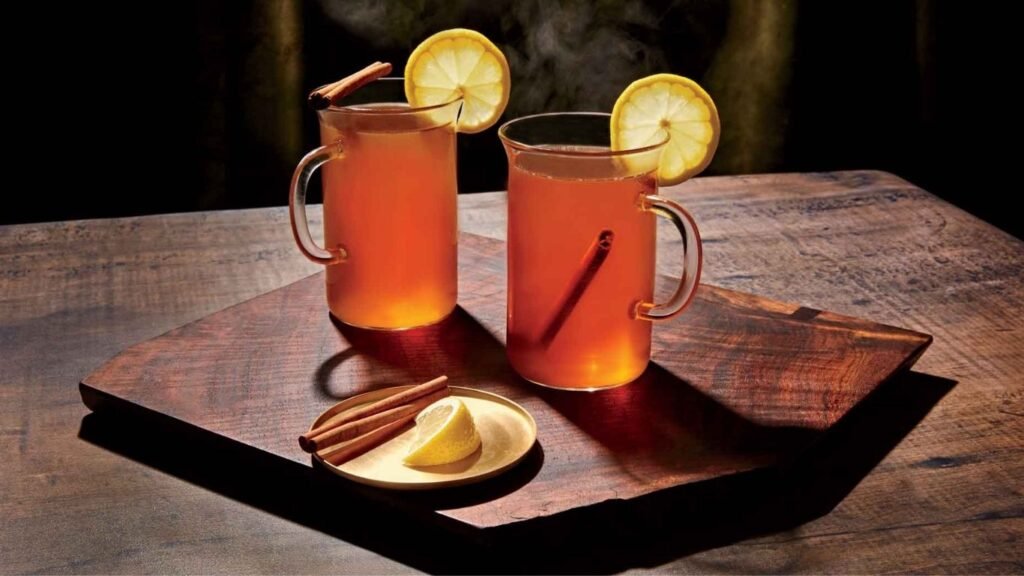
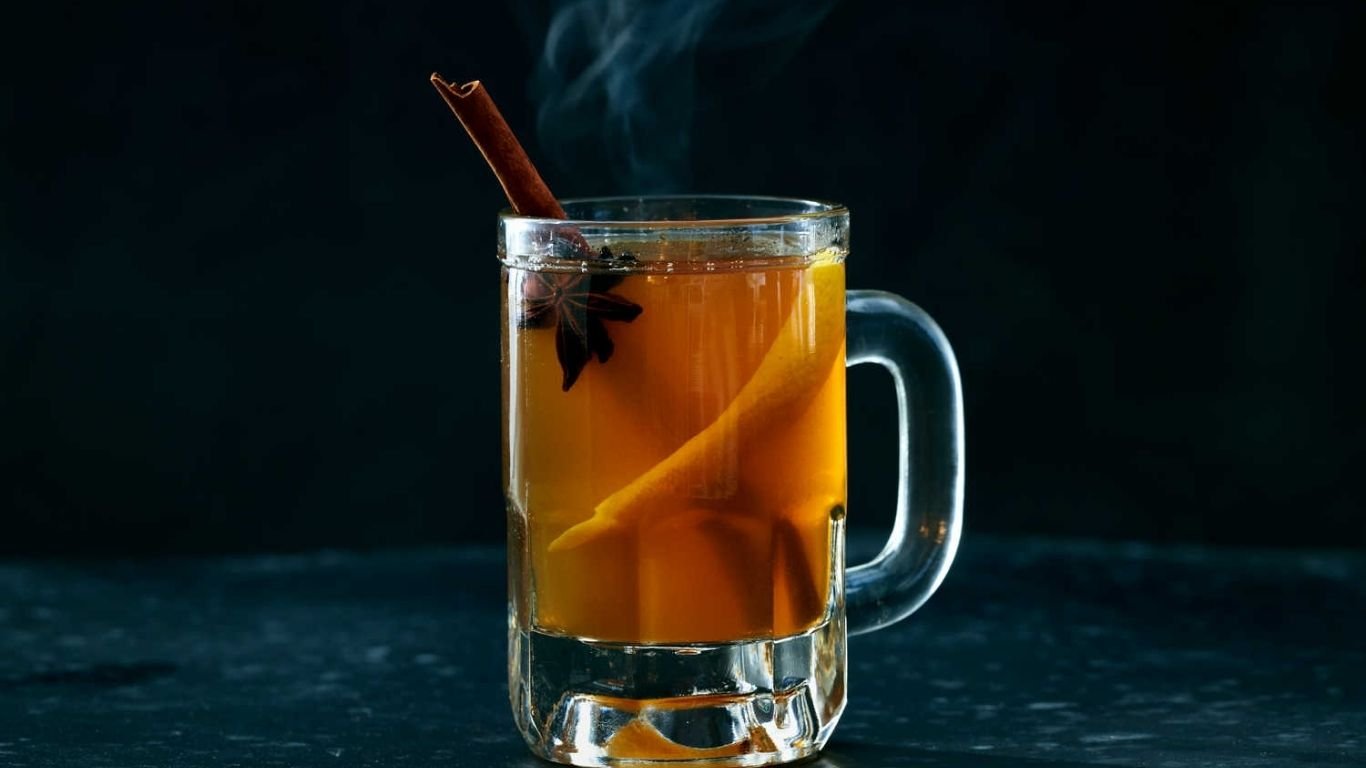
A classic hot toddy recipe: whiskey, honey, lemon juice, and hot water in a glass mug, garnished with lemon and cinnamon.
What Is a Hot Toddy?
A hot toddy is a warm cocktail built from four core components: a base spirit, a sweetener, an acid, and hot water. The drink originated as a folk remedy for cold symptoms, though its warming and soothing effect comes from the honey and hot water rather than any medicinal property in the alcohol. The format has stayed largely unchanged for generations, with regional variations mostly limited to the choice of spirit and spice.
Origin and Traditional Use
Hot toddies date back to 18th-century Scotland, where whisky, hot water, sugar, and spices formed an early version of the drink. The format spread as a cold-weather remedy across Britain and later the United States, where honey and lemon largely replaced sugar as the standard sweetener and acid. Modern versions keep this same four-part structure, with the spirit swapped based on regional preference.
The Classic Hot Toddy Recipe
The following ingredients make one serving of a classic hot toddy. Use the exact measurements below, the balance of spirit, honey, and lemon is what makes the drink work.
| Ingredient | Amount | Role |
|---|---|---|
| Whiskey, bourbon, brandy, or dark rum | 1.5 ounces | Flavor depth and warmth |
| Honey | 1 tablespoon | Sweetness and throat-soothing texture |
| Fresh lemon juice | 1 tablespoon | Acidity to balance the honey |
| Hot water, not boiling | 6 ounces | Dissolves the honey and warms the drink |
| Cinnamon stick | 1, optional | Warm spice aroma |
| Lemon slice | 1, for garnish | Presentation and extra citrus scent |
Why Each Ingredient Matters
Honey dissolves faster in hot water than in cold water, which is why this recipe calls for hot water rather than boiling water added directly over ice. Water at a full boil can also mute the aroma of the spirit. Lemon juice cuts through the sweetness of the honey and adds a citrus note that balances the warmth of the alcohol. The spirit itself provides both flavor depth and the characteristic warming sensation the drink is known for.
How to Make a Hot Toddy in 5 Minutes
The steps below produce one serving of a hot toddy. The order matters: honey dissolves first, then the spirit goes in, because alcohol evaporates if it sits in very hot water too long.
- Heat water until hot but not boiling, around 85°C (185°F).
- Add the honey to a mug.
- Pour in a small amount of the hot water and stir until the honey fully dissolves.
- Add the whiskey and lemon juice.
- Top with the remaining hot water.
- Stir in the cinnamon stick, if using.
- Garnish with a lemon slice and serve immediately.
Stirring the honey into water before adding the spirit prevents the honey from settling at the bottom of the mug, which produces an unevenly sweetened drink. Warm the mug with hot water first and empty it before building the drink, and the toddy stays hot longer.
Common Preparation Mistakes
Three mistakes account for most inconsistent results. Using boiling water instead of hot water burns off some of the spirit’s aroma before the drink is even served. Adding honey directly to cold or room-temperature liquid causes it to clump instead of dissolving evenly. Skipping the lemon juice removes the acidity that balances the honey’s sweetness, which leaves the finished drink tasting flat.
Hot Toddy Troubleshooting Table
If your hot toddy recipe did not turn out the way you expected, this table covers the most common problems and their fixes:
| Problem | Cause | Fix |
|---|---|---|
| Drink tastes harsh or raw | Water was boiling when the spirit was added | Let the water cool to about 85°C (185°F) before pouring |
| Honey sinks to the bottom | Spirit added before the honey dissolved | Dissolve honey in hot water first, then add the spirit |
| Drink tastes flat | Missing or too little lemon juice | Add the full tablespoon of fresh lemon juice |
| Too strong | Spirit measured by eye instead of measured | Use a jigger for the 1.5-ounce pour |
| Too sweet | Too much honey for the spirit chosen | Reduce honey to 2 teaspoons or add 2 more ounces of hot water |
| Cools down too fast | Cold mug | Warm the mug with hot water before building the drink |
Which Spirit Works Best in a Hot Toddy?
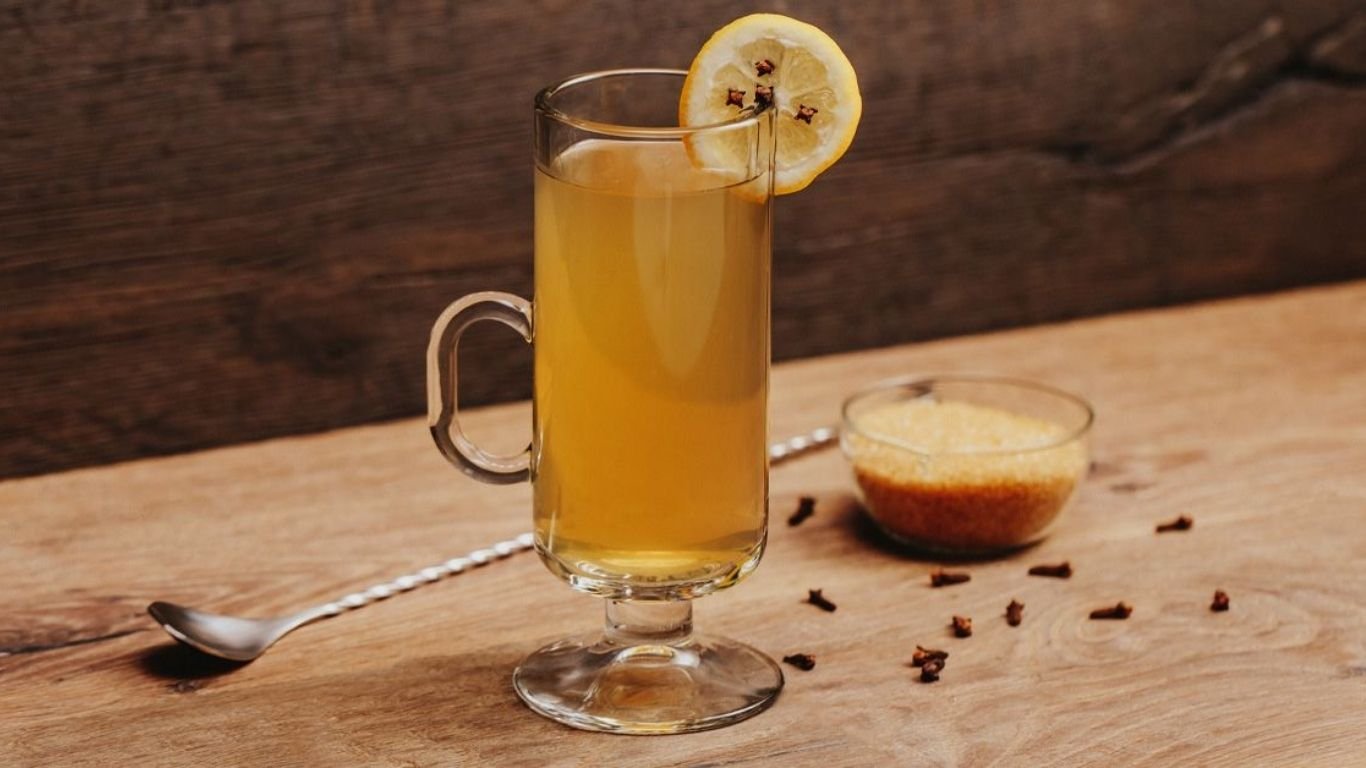
The four spirit choices for a hot toddy recipe: whiskey, bourbon, brandy, and dark rum, each with a different flavor profile.
Four spirits work as the base for a hot toddy, each producing a different flavor profile. The best one is the one you already enjoy drinking, but this comparison helps you match the spirit to your taste:
| Spirit | Flavor Profile | Gluten-Free Status | Best For |
|---|---|---|---|
| Whiskey | Smoky, warming | Gluten-free after distillation | Classic, robust flavor |
| Bourbon | Sweet, caramel notes | Gluten-free after distillation | Smoother, sweeter drink |
| Brandy | Fruity, smooth | Naturally gluten-free, grape-based | A gentler, fruitier toddy |
| Dark rum | Rich, molasses notes | Naturally gluten-free, sugarcane-based | The sweetest, richest version |
Why Distillation Removes Gluten
Brandy and dark rum carry no gluten-related distillation concern, since neither spirit derives from a gluten-containing grain. Whiskey and bourbon start from wheat, barley, or rye, but the distillation process separates alcohol vapor from the solid mash, and gluten protein is too large and too heavy to travel with that vapor. This is why the Celiac Disease Foundation classifies distilled spirits as gluten-free, even when the starting grain is not. If you want more detail on how gluten behaves in different drinks, see this guide to gluten content in beer and the gluten-free beer options for celiac-safe drinking.
Hidden Gluten Audit: Is Your Hot Toddy Really Gluten-Free?
Three ingredients in a hot toddy recipe carry a gluten risk if not confirmed individually. Run through this audit every time you try a new product:
| Ingredient | Risk | Safe Choice |
|---|---|---|
| Flavored whiskey | Some flavored or spiced whiskey varieties add gluten-containing ingredients after distillation | Stick to plain, unflavored whiskey and confirm the label |
| Pre-made mixers | Bottled hot toddy mixers sometimes contain malt-based flavoring, which reintroduces gluten | Make the drink from scratch with the recipe above |
| Honey blends | Honey blended with malt or barley extract is not gluten-free | Use single-ingredient, pure honey |
| Spice additions | Bulk-bin spices can carry cross-contact with flour | Use sealed, single-ingredient cinnamon sticks and cloves |
Plain, unflavored whiskey, bourbon, brandy, or rum, combined with pure honey and fresh lemon juice, produces a hot toddy with no gluten-related risk at any stage. The label check matters most for products marketed as “flavored,” “spiced,” or “infused,” since these terms indicate an ingredient was added after distillation, when gluten protein can reenter the product. For general label-reading habits, this gluten-free foods and snacks guide covers what is truly safe.
Hot Toddy Variations
Once you know the classic hot toddy recipe, these variations keep the same four-part structure with one swap each:
| Variation | Substitution | Result |
|---|---|---|
| Tea toddy | Replace half the hot water with brewed black tea | Adds tannin depth and a little caffeine |
| Alcohol-free toddy | Replace the spirit with 1 cup of brewed tea | Keeps the format without the alcohol |
| Spiced toddy | Add a clove and a star anise pod | Warm spice notes, like winter chai |
| Maple toddy | Replace honey with maple syrup | Vegan-friendly version |
| Apple cider toddy | Replace the water with hot apple cider | Fruity, autumn flavor |
| Ginger toddy | Add 3 thin slices of fresh ginger to the hot water | Spicy warmth, great for sore throats |
| Chamomile toddy | Use brewed chamomile tea instead of plain hot water | Gentle bedtime version |
| Orange toddy | Swap the lemon slice for an orange slice and add a strip of orange peel | Brighter citrus aroma |
Choosing a Variation
An alcohol-free version replaces the spirit entirely with brewed tea, which keeps the warm, citrus-and-honey character of the drink without the alcohol content. A tea toddy, by contrast, keeps the spirit but replaces part of the water with brewed tea, which adds depth without removing the alcohol. The maple version works best for readers avoiding animal products, since honey is the only non-vegan ingredient in the standard recipe.
How to Make Hot Toddies for a Crowd
Making hot toddies one mug at a time is fine for two people, but for a gathering of six to eight, a slow cooker batch keeps everyone served without you standing at the kettle. This method was added in the October 2026 refresh after reader requests.
Batch ingredients (serves 8):
- 12 ounces whiskey or bourbon
- 1/2 cup honey
- 1/2 cup fresh lemon juice
- 6 cups hot water
- 4 cinnamon sticks
- 8 lemon slices, for garnish
Steps:
- Add the water, honey, lemon juice, and cinnamon sticks to a slow cooker. Stir until the honey dissolves.
- Heat on low for 1 hour, or until steaming (do not let it boil).
- Stir in the whiskey just before serving, since adding it early lets the alcohol cook off.
- Ladle into warmed mugs and garnish with lemon slices.
Keep the slow cooker on the warm setting during the party. The toddy stays at a good serving temperature for up to 2 hours.
Conclusion
A classic hot toddy recipe combines whiskey, honey, lemon juice, and hot water into a warm drink that takes under five minutes to prepare. Distilled spirits, plus pure honey and fresh lemon, keep the recipe gluten-free at every stage. Confirming labels on flavored spirits and pre-made mixers remains the only step that requires extra attention for readers managing celiac disease. Whether you stick with the classic version or try the batch method for a crowd, the formula on this page works every time.
Frequently Asked Questions
Is a hot toddy gluten-free?
Yes, a hot toddy made with distilled whiskey, bourbon, brandy, or rum, plus honey and lemon juice, is gluten-free, since distillation removes gluten protein from the spirit.
What is the best whiskey for a hot toddy?
Any unflavored whiskey or bourbon works for a hot toddy, and the choice depends on personal taste, since smokier whiskeys produce a more robust flavor than smoother bourbons.
Can I make a hot toddy without alcohol?
Yes, replacing the spirit with 1 cup of brewed tea produces an alcohol-free version that keeps the same honey, lemon, and warm water base.
Does a hot toddy actually help with a cold?
A hot toddy provides temporary symptom relief through warmth, hydration, and honey’s soothing effect on the throat, but it does not treat or shorten a cold.
What temperature should the water be for a hot toddy?
Water heated to around 85°C (185°F), hot but not at a full boil, dissolves the honey properly without muting the aroma of the spirit.
Can I use brandy instead of whiskey in a hot toddy?
Yes, brandy works as a direct substitute for whiskey in a hot toddy and produces a smoother, fruitier flavor profile.
Is honey the only sweetener option for a hot toddy?
No, maple syrup works as a direct substitute for honey and produces a vegan-friendly version of the drink.
How many calories are in a hot toddy?
A classic hot toddy with 1.5 ounces of whiskey and 1 tablespoon of honey contains roughly 150 to 170 calories. The honey contributes about 60 calories and the spirit about 100.
Can I reheat a hot toddy?
Yes, but reheat it gently on the stove or in short microwave bursts. Never boil it, because boiling drives off the alcohol and flattens the flavor. Add a fresh lemon slice after reheating.
What tea works best in a tea toddy?
Strong black tea such as English breakfast or Assam works best, because its tannins stand up to the whiskey. Chamomile works for a gentler, bedtime-style version.
Is a hot toddy safe during pregnancy?
No amount of alcohol is considered safe during pregnancy, so skip the spirit and make the alcohol-free version with brewed tea instead. If you have any concerns, talk to your doctor.
Can I use vodka in a hot toddy?
You can, but the result is much more neutral, since vodka adds warmth without the flavor depth of whiskey or brandy. Add a cinnamon stick and a clove to compensate for the missing flavor.
How do I keep a hot toddy warm longer?
Warm the mug with hot water before building the drink, and use a mug with thick walls. A travel mug with a lid keeps a toddy hot for over an hour, which is handy on a cold porch.
What is the difference between a hot toddy and mulled wine?
A hot toddy is spirit-based, built on whiskey with honey and lemon, while mulled wine is wine-based, heated with sugar, citrus, and mulling spices. A toddy takes 5 minutes; mulled wine needs 20 to 30 minutes of gentle heating.
A classic hot toddy recipe combines 1.5 ounces of whiskey, 1 tablespoon of honey, 1 tablespoon of lemon juice, and 6 ounces of hot water. Distilled spirits qualify as gluten-free, making the drink safe for celiac disease when plain ingredients are used.
This article provides food and beverage information, not medical advice. Readers with celiac disease should confirm individual product labels, especially for flavored spirits and honey blends.
Learn more about the drink’s background on the hot toddy page.