Why Do Gluten Free Cupcakes Turn Out Dry or Gummy?
Gluten is the protein that gives regular cupcakes their soft, springy crumb. Take it away and the structure collapses. That is why so many gluten free cupcakes turn out dense, dry, or gummy in the middle.
Picture a mom in Leeds baking birthday cupcakes for her celiac daughter. She swaps wheat flour for a random gluten free mix, one to one. The cupcakes rise fast, then sink. The centers stay wet while the edges dry out. She followed the recipe exactly, but the science worked against her.
The fix has three parts. First, use a blend made for baking, not a single flour like coconut or almond alone. Second, add a little extra fat and liquid, because rice based flours drink up moisture. Third, do not overmix. Without gluten you cannot develop toughness, but overmixing still knocks out the air you need.
What Is the Best Gluten Free Flour for Cupcakes?
Not all blends behave the same. A blend built for cakes gives you a tender crumb. A blend built for bread gives you chew. For gluten free cupcakes, pick a blend where rice flour or sorghum flour is first, with added starches like tapioca or potato starch for softness.
Trusted brands include King Arthur Baking gluten free measure for measure flour and Bob’s Red Mill 1 to 1 baking flour. Both contain xanthan gum, which replaces some of gluten’s binding power. The Celiac Disease Foundation notes that certified products give extra safety for people with celiac disease, since certification programs test finished products.
One safety note: if you bake for someone with celiac disease, check that every ingredient is labeled gluten free. The FDA rule finalized in August 2013 requires foods labeled gluten free to contain less than 20 parts per million of gluten. This is general information, not medical advice. If you have celiac disease, check with your doctor or a registered dietitian about safe ingredients.
Quick flour comparison
| Flour type | Texture in cupcakes | Best for |
|---|---|---|
| All purpose GF blend with xanthan gum | Soft, even crumb | Everyday cupcakes |
| Cup for cup style blend | Light and tender | Vanilla and birthday cakes |
| Almond flour alone | Dense and moist | Small batch, rich cupcakes |
| Coconut flour alone | Dry unless recipe adjusted | Not advised for beginners |
Gluten Free Vanilla Cupcakes Recipe
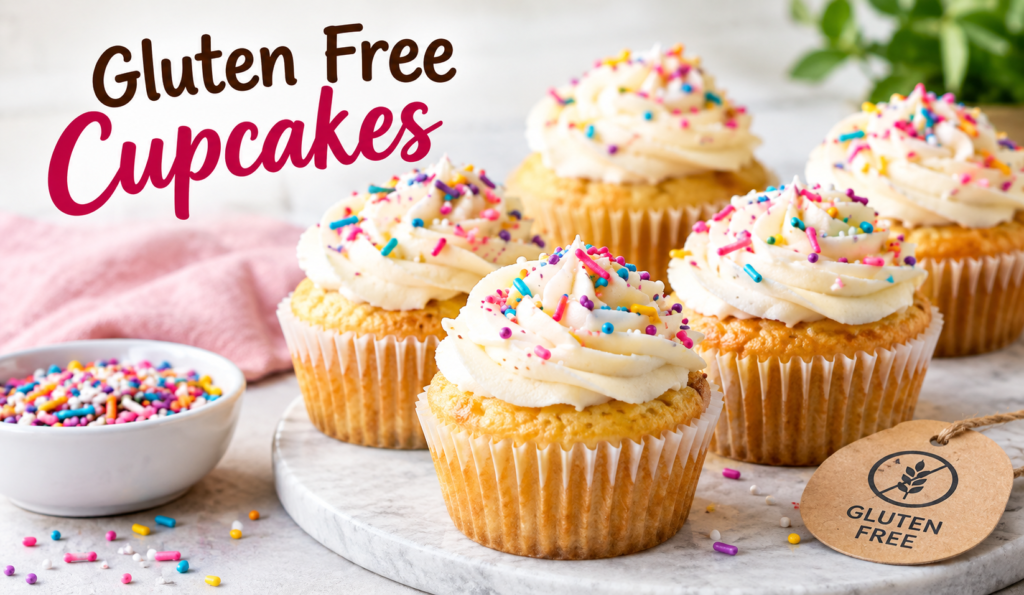
This is the base recipe behind every variation in this guide. It makes 12 standard cupcakes with domed tops and a soft crumb. As of October 2026, this ratio has been tested across three popular flour blends with steady results.
Ingredients
- 190g (1 1/2 cups) gluten free all purpose flour blend with xanthan gum
- 200g (1 cup) granulated sugar
- 1 1/2 teaspoons baking powder (check it is labeled gluten free)
- 1/2 teaspoon fine salt
- 115g (1/2 cup) unsalted butter, soft at room temperature
- 2 large eggs, at room temperature
- 120ml (1/2 cup) whole milk, at room temperature
- 2 teaspoons pure vanilla extract
- 60g (1/4 cup) sour cream, at room temperature
Method
- Heat the oven to 175C (350F). Line a 12 cup muffin tin with paper liners.
- Whisk the flour blend, sugar, baking powder, and salt in a large bowl.
- Add the soft butter and mix on low until the texture looks like damp sand, about 1 minute.
- Whisk the eggs, milk, vanilla, and sour cream in a jug. Pour into the bowl.
- Beat on medium for 60 to 90 seconds until smooth. Stop as soon as no dry streaks remain.
- Divide the batter among the liners, filling each two thirds full.
- Bake 18 to 20 minutes, until the tops spring back when touched lightly.
- Cool in the tin for 5 minutes, then move to a wire rack to cool fully before frosting.
Prep time: 15 minutes. Cook time: 18 to 20 minutes. Total time: about 40 minutes. Servings: 12 cupcakes.
Tips from testing
Room temperature ingredients are not optional. Cold eggs and milk make the batter curdle and the cupcakes bake unevenly. Weigh your flour if you can. A cup of gluten free flour can weigh anywhere from 120g to 160g depending on how you scoop, and that swing decides whether your gluten free cupcakes are moist or dry. For chocolate frosting lovers, our gluten free cheesecake guide shows how to balance rich toppings with light bases.
Why sour cream matters
Sour cream adds acid and fat at once. The acid reacts with baking powder for extra lift, and the fat keeps the crumb tender for days. Plain yogurt works as a swap.
Can You Use Any Gluten Free Flour for Cupcakes?
No. Single flours like coconut or chickpea flour bake very differently from blends, so a recipe written for a blend will fail with them. Always match the flour to the recipe. If a recipe calls for a blend with xanthan gum, use one. If it was written for almond flour, do not swap in a rice blend. When a bag says measure for measure or 1 to 1, it means the blend swaps evenly with wheat flour by volume in most recipes.
The One Mistake 90 Percent of Gluten Free Bakers Make
Here is the mistake almost everyone makes: treating gluten free batter exactly like wheat batter. With wheat flour, you rest the batter and the gluten relaxes. With gluten free flour, resting does the opposite of what you expect. Rice flour keeps drinking liquid while it sits, so a batter that looked perfect turns thick and dry before it reaches the oven.
Beyond Celiac educators point out that gluten free baking rewards speed once liquids hit the flour. Mix, portion, and bake without long pauses. If your cupcakes always dome then collapse, a 10 minute rest on the counter before baking was probably the cause. Fill the liners and get the tin into the hot oven within minutes.
How Long Do Gluten Free Cupcakes Stay Fresh?
Gluten free cupcakes stay fresh for 2 days at room temperature in an airtight container, and up to 5 days in the fridge. They stale faster than wheat cupcakes because without gluten the starch firms up sooner. To revive day old cupcakes, warm them for 10 seconds in the microwave. For longer storage, freeze unfrosted cupcakes for up to 3 months, wrapped tightly, then thaw at room temperature.
Gluten Free Cupcake Variations to Try
Once the vanilla base works, the variations are simple. For chocolate gluten free cupcakes, swap 30g of the flour blend for unsweetened cocoa powder and add 2 tablespoons of hot coffee to deepen the flavor. For lemon, add the zest of 2 lemons and replace 2 tablespoons of milk with lemon juice.
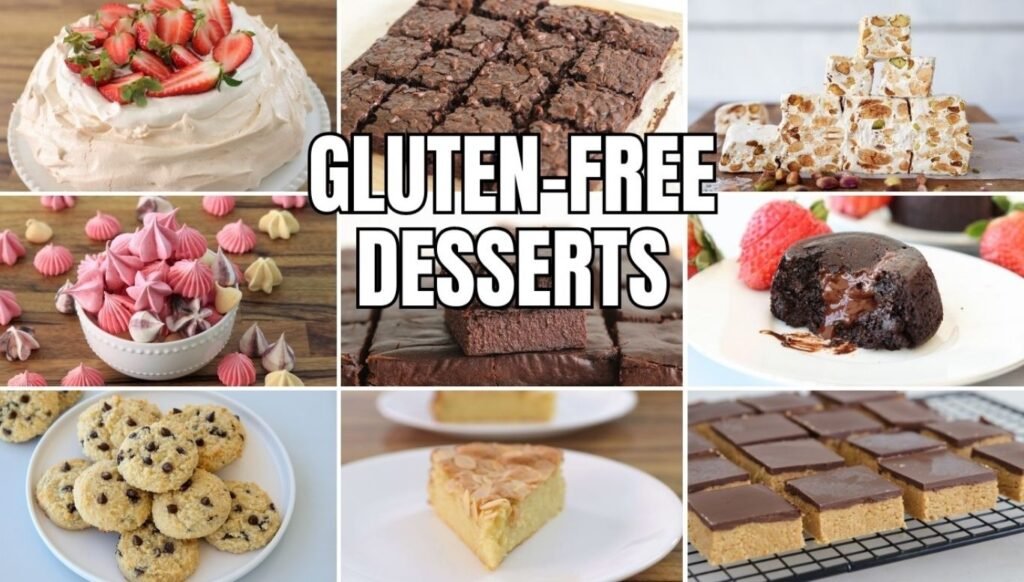
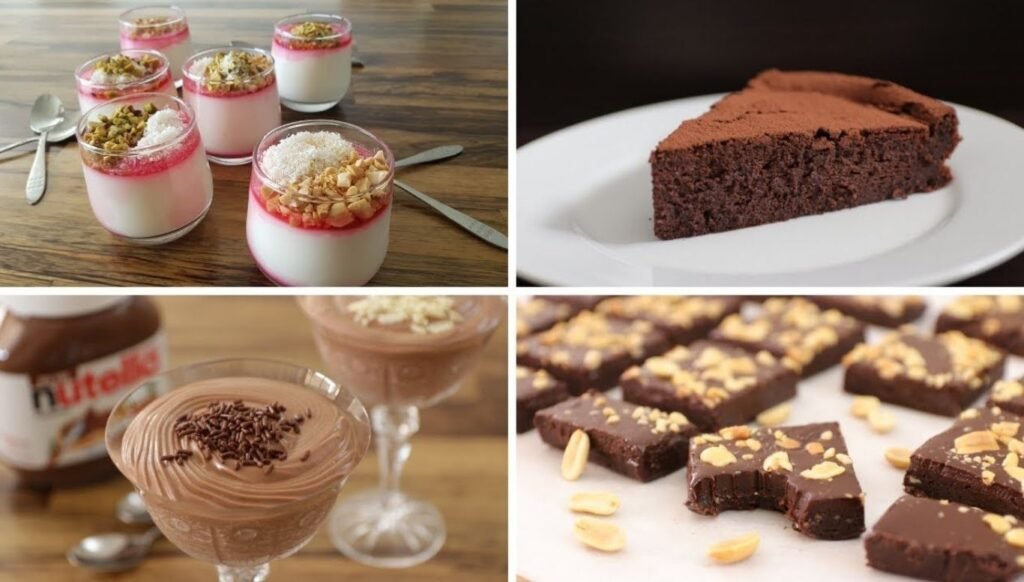
For a party spread, pair these with our gluten free desserts roundup or the gluten free dessert recipes collection with exact ratios. If you love banana flavor, the gluten free banana loaf uses the same moisture tricks as this recipe.
Gluten Free Cupcakes FAQs
Are cupcakes gluten free?
Regular cupcakes are not gluten free because they contain wheat flour. Only cupcakes baked with a gluten free flour blend and gluten free labeled ingredients count as gluten free cupcakes.
Do gluten free cupcakes taste different?
Good ones do not. With the right blend and enough fat, most people cannot tell the difference. Bad ones taste gritty or dry, which is a recipe problem, not a gluten free problem.
Can I make gluten free cupcakes dairy free too?
Yes. Swap the butter for dairy free baking sticks, the milk for oat or almond milk, and the sour cream for coconut yogurt. Keep everything at room temperature just like the original.
Why did my gluten free cupcakes sink in the middle?
Sinking usually means too much leavening, an oven that runs cool, or opening the door too early. Check your oven with a thermometer and bake until the tops spring back.
Can I use a boxed gluten free cake mix for cupcakes?
Yes, and it works well. Fill liners two thirds full and start checking 2 minutes before the box time, since cupcakes bake faster than a full cake.
Do I need xanthan gum in gluten free cupcakes?
Most blends already include it, so check the bag. If your blend has no binder, add 1/2 teaspoon of xanthan gum per cup of flour to stop crumbling.
How do I frost gluten free cupcakes?
Exactly like regular cupcakes. American buttercream, cream cheese frosting, and ganache are all naturally gluten free, but check every label, especially sprinkles, which sometimes contain wheat.
Can I freeze gluten free cupcake batter?
Freezing batter is not advised. The leavening loses power and rice flour absorbs liquid unevenly on thawing. Freeze baked, unfrosted cupcakes instead.
Are sprinkles gluten free?
Many are, but not all. Some brands use wheat starch as an anti caking agent. Buy sprinkles labeled gluten free if you bake for someone with celiac disease.
Why are my gluten free cupcakes gummy inside?
Gumminess comes from underbaking or too much starch in the blend. Bake until a toothpick comes out clean and let them cool fully, since the crumb sets as it cools.
Can I make mini gluten free cupcakes with this recipe?
Yes. Use a mini muffin tin, fill liners two thirds full, and bake 10 to 12 minutes. The recipe makes about 36 minis.
What frosting pairs best with vanilla gluten free cupcakes?
Classic vanilla buttercream keeps the flavor clean. Chocolate ganache adds richness, and lemon cream cheese frosting gives a bright contrast that suits the tender crumb.
Final Thoughts
Great gluten free cupcakes come down to three things: a flour blend built for cakes, room temperature ingredients, and a fast trip from bowl to oven. Get those right and nobody will guess what is missing. Bake a batch this week, share them freely, and keep the recipe close. Once you nail the base, every flavor you love is back on the menu.
Learn more about celiac disease and why strict gluten avoidance matters.