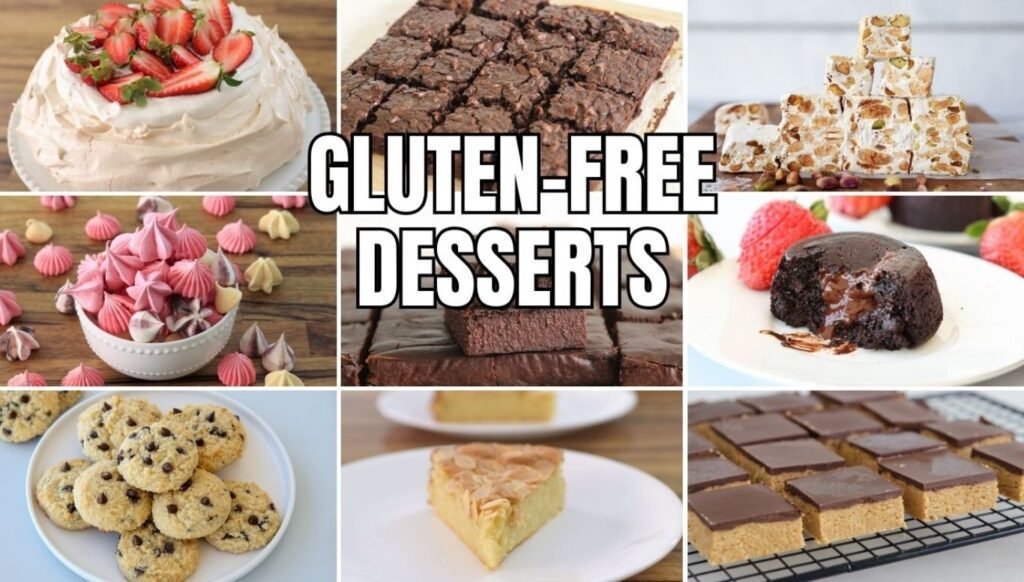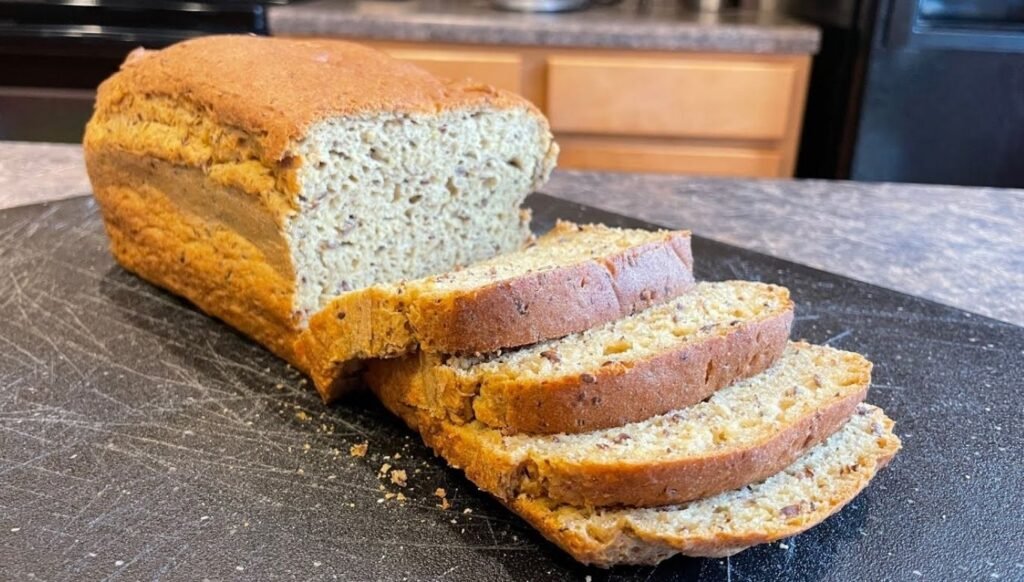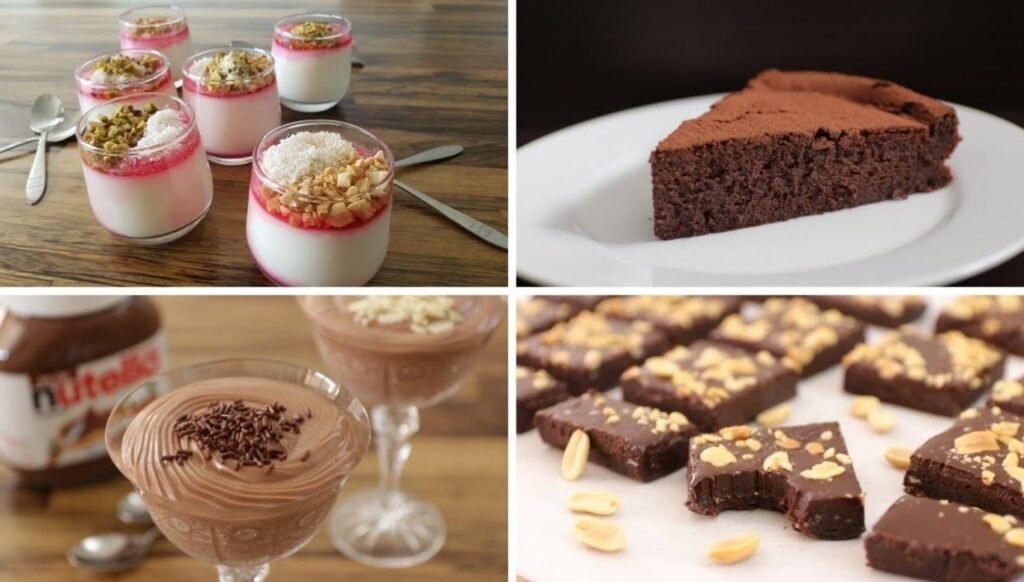
Gluten free desserts are sweet dishes made without wheat, barley, rye, or any ingredient containing gluten protein.
Gluten-free desserts rely on alternative flours such as almond flour, coconut flour, and rice flour, or on naturally gluten-free ingredients like chocolate, fruit, and dairy.
Bakers use these substitutes to recreate cakes, cookies, bars, and other sweets that remain safe for people with celiac disease or gluten sensitivity without sacrificing taste or texture.
What Are Gluten-Free Desserts
A gluten-free dessert contains zero wheat-based ingredients, and the demand for these desserts has grown steadily as awareness of gluten-related conditions has increased.
The Celiac Disease Foundation reports that celiac disease affects roughly 1 in 133 people in the United States, which explains the consistent search volume around gluten-free dessert options.
Bakers reach gluten-free status in one of two ways: by choosing desserts that are naturally free of gluten, such as meringues, flourless chocolate cake, or fruit-based sweets, or by substituting wheat flour with alternatives like almond flour, rice flour, oat flour, and pre-mixed gluten-free flour blends.
Types of Gluten-Free Desserts
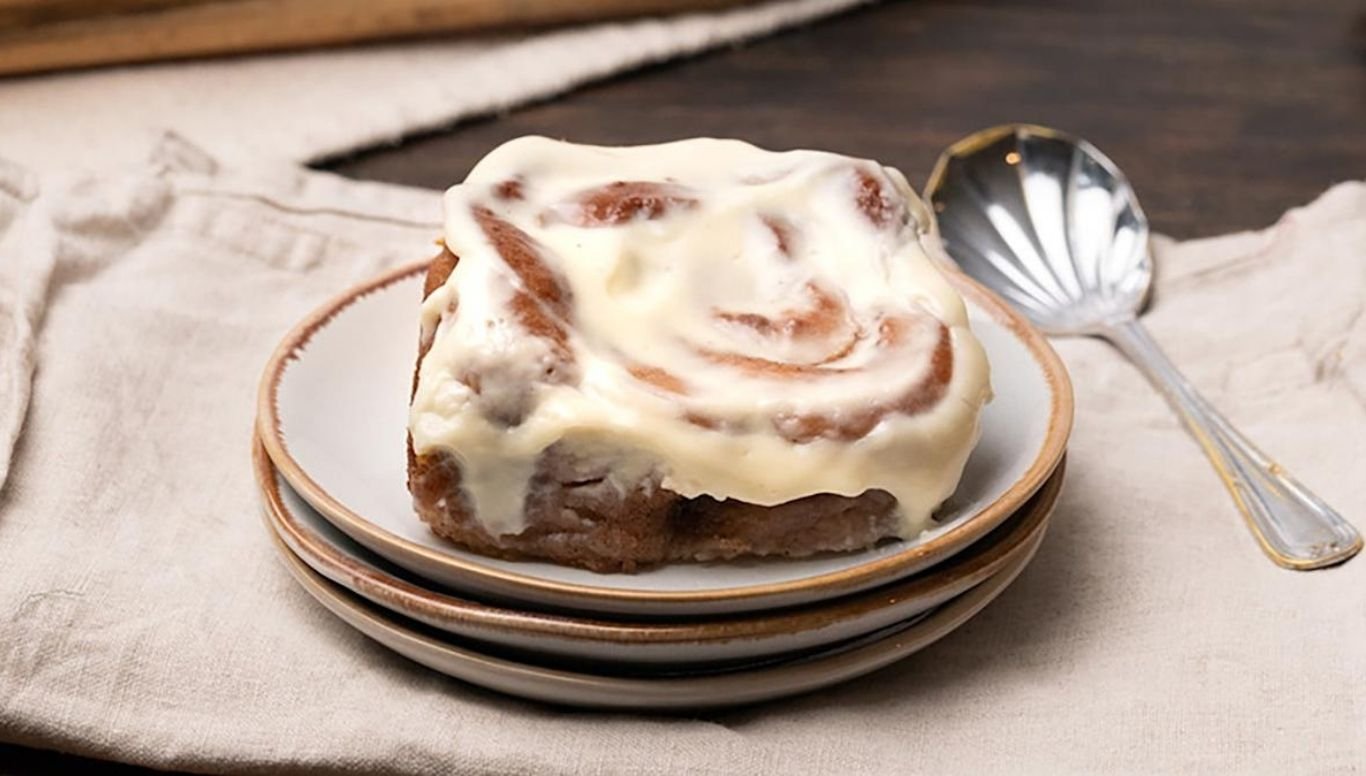
Once the basic definition is clear, it helps to look at how gluten free desserts are grouped in practice. Gluten free desserts generally fall into five categories, based on preparation method and core ingredients.
| Category | Description | Examples |
| Flourless desserts | Contain no flour of any kind | Flourless chocolate cake, chocolate soufflé, crème brûlée |
| Alternative-flour baked goods | Use non-wheat flour in place of wheat flour | Almond flour cookies, coconut flour muffins, rice flour cake |
| No-bake desserts | Require no oven and rely on natural binders | Energy bites, chocolate-covered fruit, peanut butter fudge |
| Fruit-based desserts | Center on fresh or cooked fruit | Baked apples, fruit crisps with gluten-free oats, poached pears |
| Meringue-based desserts | Built from whipped egg whites and sugar | Pavlova, meringue cookies, macarons |
Common Gluten-Free Flour Substitutes
The category a dessert falls into often depends on which flour, if any, holds it together. Selecting the right substitute determines the final texture and structure, since each flour type behaves differently in baking and suits specific dessert formats.
| Flour Type | Source | Best Use |
| Almond flour | Ground blanched almonds | Cookies, cakes, tart crusts |
| Coconut flour | Dried, ground coconut meat | Muffins, dense cakes (require extra liquid) |
| Rice flour | Ground white or brown rice | Cake layers, mochi, shortbread |
| Oat flour | Ground gluten-free oats | Bars, cookies, quick breads |
| Tapioca starch | Cassava root | Binding agent, chewy texture in blondies |
| Gluten-free flour blend | Mix of rice flour, starch, and xanthan gum | 1:1 substitute for wheat flour in most recipes |
Naturally Gluten Free Desserts
Not every gluten-free dessert needs a flour substitute in the first place.
Several dessert categories are gluten-free in their traditional form, including custards such as crème brûlée and flan, meringues such as pavlova and French macarons, chocolate-based desserts such as flourless chocolate cake and chocolate mousse, fruit desserts such as baked apples and poached pears, and rice-based sweets such as rice pudding and mochi.
These options are often the easiest starting point for anyone new to gluten-free baking, since they require no special ingredients beyond what most kitchens already stock.
Gluten-Free Dessert Recipes by Category
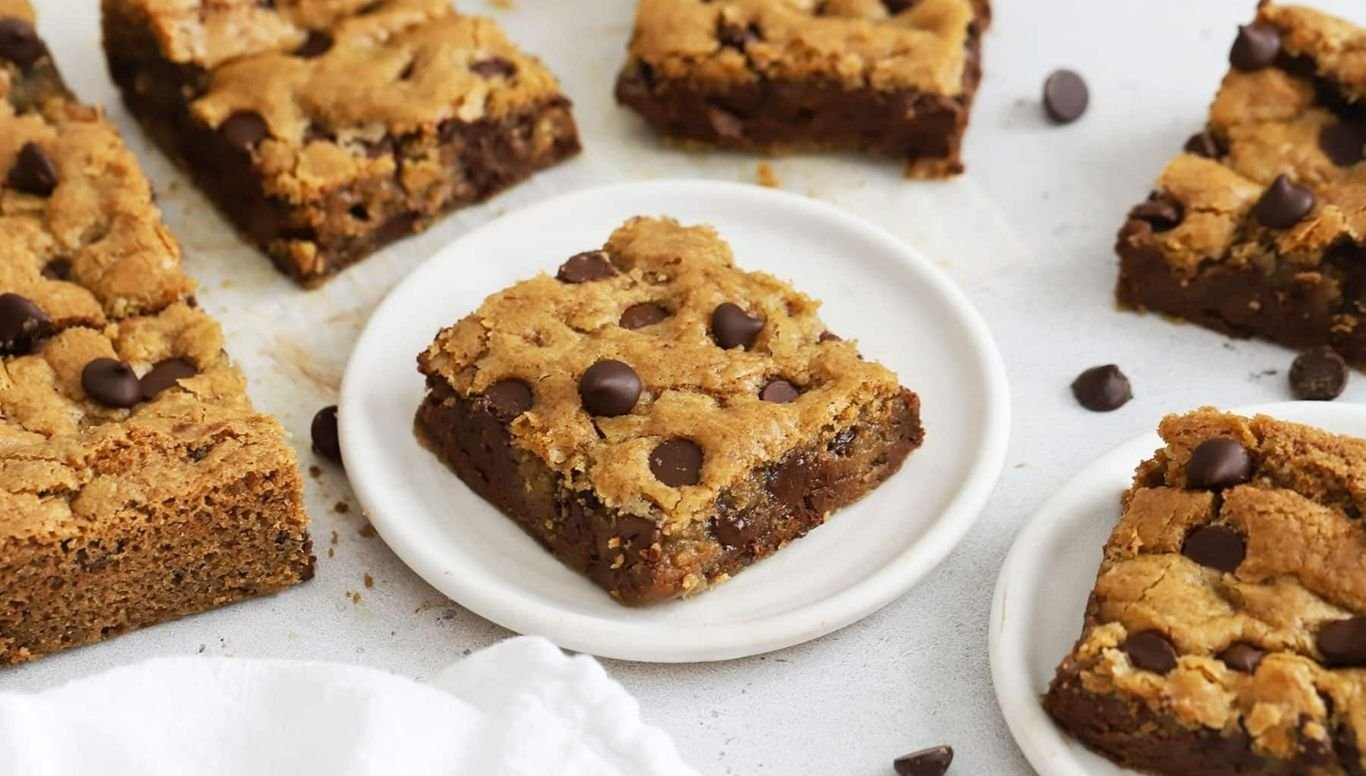
With the core ingredients and substitutes established, the next step is applying them across common dessert formats.
Cakes
Gluten-free cakes typically rely on almond flour, coconut flour, or a gluten-free flour blend, combined with a binding agent such as xanthan gum to hold the crumb together. Flourless chocolate cake is the simplest entry point, since it needs only four core ingredients: butter, chocolate, eggs, and sugar. The batter gets its structure from whipped egg whites rather than gluten, which is what gives the cake its dense, fudgy texture.
Cookies
Almond flour and gluten-free oat flour produce cookies with either a chewy or a crisp texture, depending on the ratio of fat to flour used in the recipe. Popular gluten-free cookie styles include almond butter cookies, oatmeal cookies made with certified gluten-free oats, and flourless peanut butter cookies, all of which hold together well without any wheat-based binder.
Bars and Brownies
Bars and brownies tend to hold their structure well without gluten, largely because they contain a higher ratio of fat and sugar to flour than cakes or cookies do. Almond flour brownies and no-bake oat bars are among the most searched gluten-free bar recipes, and both come together with minimal equipment.
No-Bake Desserts
No-bake gluten free desserts skip the oven entirely and set through refrigeration or freezing instead. Chocolate-covered strawberries, peanut butter fudge, and energy bites made from dates, nuts, and cocoa powder are common examples, making this category a practical choice when time or oven access is limited.
Nutritional Considerations for Gluten Free Desserts
Choosing a gluten-free dessert does not automatically mean choosing a lower-calorie or lower-sugar one.
A 2018 study published in the Journal of Human Nutrition and Dietetics found that gluten-free packaged products often contain equal or higher sugar and fat content compared to their gluten-containing counterparts.
The nutritional value of a gluten-free dessert depends on the specific flour and sweetener used, not on the absence of gluten alone.
A few figures illustrate this point clearly: almond flour contains approximately 6 grams of protein per quarter cup, higher than wheat flour, while coconut flour contains roughly 5 grams of fiber per tablespoon, more than most wheat-based flours.
At the same time, gluten-free flour blends often include added starches, which can raise the glycemic index of the finished product.
How to Make Gluten Free Desserts Taste Like Traditional Desserts
Getting the nutrition profile right is only part of the challenge; texture and taste matter just as much. The following steps help close that gap:
- Combine two or more gluten-free flours to balance texture, such as almond flour with tapioca starch.
- Add xanthan gum or psyllium husk to replace the binding function that gluten normally provides.
- Increase moisture slightly, since gluten-free flours absorb more liquid than wheat flour.
- Rest the batter for 10 to 15 minutes before baking to allow the flours to hydrate fully.
- Bake at a slightly lower temperature to prevent the exterior from browning before the interior sets.
Gluten-Free Desserts for Dietary Restrictions
Gluten free desserts often need to work alongside other dietary restrictions as well, and most recipes in this category adapt easily to additional swaps.
| Restriction | Compatible Gluten Free Desserts |
| Dairy-free | Coconut milk-based puddings, dairy-free chocolate bark, fruit sorbets |
| Egg-free | Flax egg cookies, rice pudding, chia seed pudding |
| Nut-free | Oat flour cookies, sunflower seed butter bars, coconut flour cakes |
| Vegan | Aquafaba meringues, dairy-free coconut cake, date-sweetened energy bites |
| Refined sugar-free | Honey-sweetened almond flour muffins, date-based brownies |
Frequently Asked Questions
Are gluten-free desserts healthier than regular desserts?
Gluten-free desserts are not inherently healthier; nutritional value depends on the specific ingredients and sweeteners used.
What flour works best for gluten-free cakes?
A gluten-free flour blend containing rice flour, starch, and xanthan gum works best for cakes because it most closely replicates wheat flour’s structure.
Can gluten-free desserts contain cross-contamination risks?
Yes, cross-contamination can occur if gluten-free ingredients are processed in facilities that also handle wheat products, so certified gluten-free labeling matters for people with celiac disease.
What desserts are naturally gluten-free without substitutions?
Custards, meringues, rice pudding, and flourless chocolate cake are naturally gluten-free without requiring any flour substitutes.
Do gluten free desserts taste different from regular desserts?
Texture differences exist due to the absence of gluten’s elastic protein structure, but proper flour combinations and hydration techniques minimize taste and texture differences.
How long do gluten-free desserts stay fresh?
Most gluten-free baked desserts stay fresh for 2 to 3 days at room temperature in an airtight container, compared to 3 to 5 days for wheat-based desserts, due to differences in moisture retention.
Conclusion
Gluten-free desserts have moved well beyond a niche dietary requirement and now cover nearly every dessert format, from cakes and cookies to no-bake bars and naturally gluten-free classics like custards and meringues.
The right result depends on matching the correct flour or substitute to the dessert type, adjusting moisture and binding agents accordingly, and checking nutritional labels rather than assuming gluten-free automatically means healthier.
With the flour guide, recipe categories, and dietary-adaptation table above, bakers at any level can choose or create a gluten-free dessert that fits their specific needs without compromising on taste or texture.