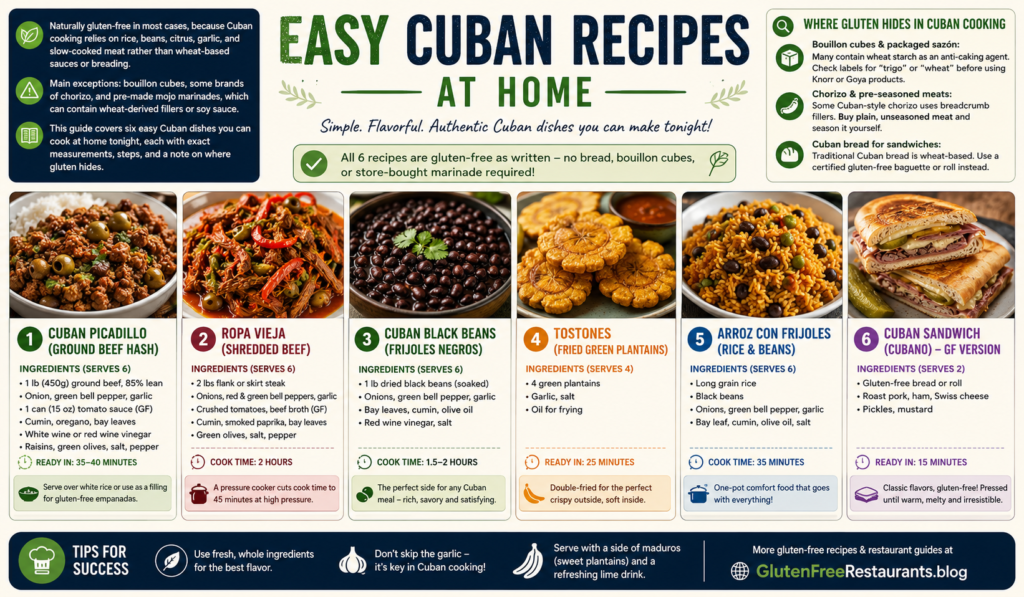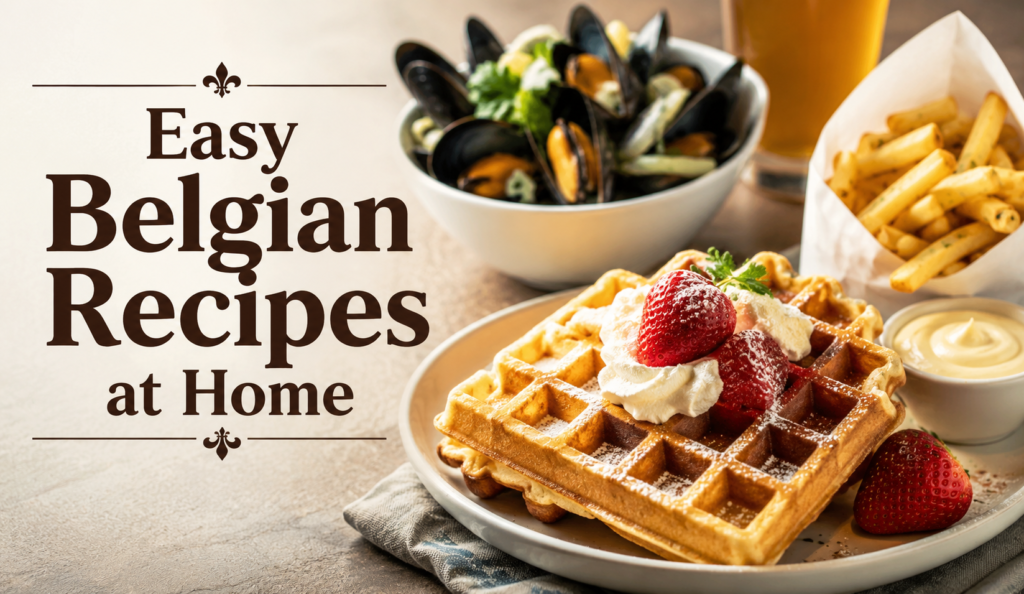
Easy Belgian recipes at home come down to four simple cooking methods: frying, stewing, baking, and boiling. You do not need fancy equipment or a long list of ingredients, just potatoes, mussels, endive, and a good Belgian beer. Whether you are craving crispy frites, a comforting beef stew, or a proper Belgian moules frites recipe for a weekend dinner, this guide gives you 22 dishes sorted by how they are cooked, along with clear steps you can follow tonight.
Belgian cuisine blends French technique with Flemish and Walloon ingredients, and most dishes use fewer than 10 ingredients. That makes it one of the most approachable European cuisines for a home cook, even on a busy weeknight.
How Belgian Home Cooks Approach These Recipes
Belgian home cooking relies on four methods, each producing a distinct texture and requiring different equipment.
| Method | Technique | Typical Equipment | Average Time |
|---|---|---|---|
| Frying | Double-frying at two temperatures for a crisp exterior | Deep fryer or heavy pot with thermometer | 10 to 15 minutes total |
| Stewing | Slow braising in beer or cream-based liquid | Dutch oven or heavy-bottomed pot | 1.5 to 3 hours |
| Baking | Yeasted or batter-based baking in a waffle iron or oven | Waffle iron, baking sheet, oven | 10 to 40 minutes |
| Boiling | Short boiling of vegetables or shellfish | Large pot or steamer basket | 5 to 15 minutes |
Fried Belgian Favorites
Frying is the method most people associate with Belgian food internationally, largely thanks to frites. Each fried dish below uses a two-stage cooking process, either two separate fry temperatures or a pan-fry followed by a sauce reduction, and every one delivers that signature crisp bite Belgium is famous for.
Frites: Golden, crispy on the outside and fluffy inside, this is the dish that put Belgian food on the map. Cut potatoes into batons roughly 0.4 inches (1 cm) thick, then fry them twice at two separate temperatures until golden and crisp.
Croquettes de Crevettes (Shrimp Croquettes): A creamy, savory bite loaded with grey shrimp. Mix a thick béchamel base with shrimp, chill for at least 1 hour, form into cylinders, bread, and fry for 3 to 4 minutes until golden.
Bitterballen: These bar-snack favorites hide a rich, meaty ragout inside a crisp breaded shell. Chill the filling before frying, then deep-fry at 350°F (177°C) for 4 to 5 minutes.
Beignets: Light, pillowy dough balls rolled in sugar while still warm. Proof yeasted dough for 45 minutes, deep-fry until puffed, and coat in granulated sugar straight out of the fryer.
Boulets à la Liégeoise: Sweet-and-sour meatballs simmered in a syrup made with speculoos spice and red currant jelly. Pan-fry the meatballs until browned, then simmer in the sauce for 20 minutes.
Stewed and Simmered Belgian Classics
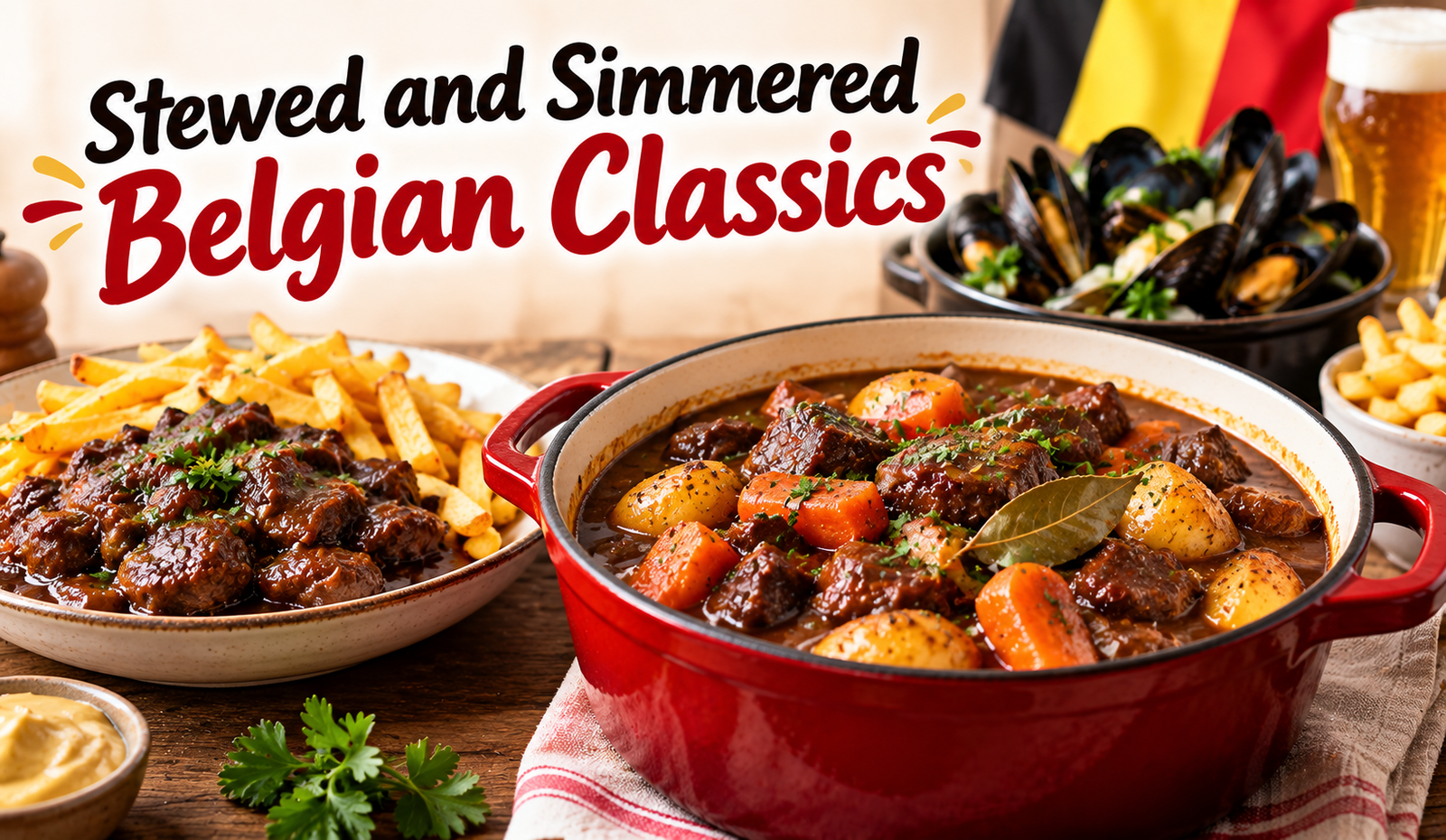
Stewed dishes form the backbone of Belgian Sunday cooking. Most recipes in this category use one browning stage followed by a long, low simmer, which turns tougher cuts of meat tender and deeply flavorful without any special equipment.
Stoofvlees (Carbonade Flamande): A rich, beer-braised beef stew that tastes even better the next day. Brown beef chunks, then braise in Belgian beer with onions and a slice of mustard-spread bread for 2 to 3 hours, and serve with frites.
Waterzooi: A creamy, comforting chicken or fish stew that feels like a warm hug in a bowl. Simmer chicken or fish with leeks, carrots, and celery in a light broth, then finish with cream and egg yolk for 45 to 60 minutes total.
Konijn met Pruimen (Rabbit with Prunes): A slightly sweet, wine-braised dish that falls apart at the touch of a fork. Brown rabbit pieces, then braise with prunes, shallots, and white wine for 1.5 to 2 hours.
Erwtensoep (Split Pea Soup): A thick, hearty winter soup built for cold evenings. Simmer dried split peas with a ham hock, celery, and carrots for 1.5 hours until the peas break down into a spoonable soup.
Stoemp: Simple mashed potatoes folded together with a single vegetable, such as leeks or carrots. Boil and mash together for 20 to 25 minutes, then serve alongside a fried sausage.
Baked Belgian Treats
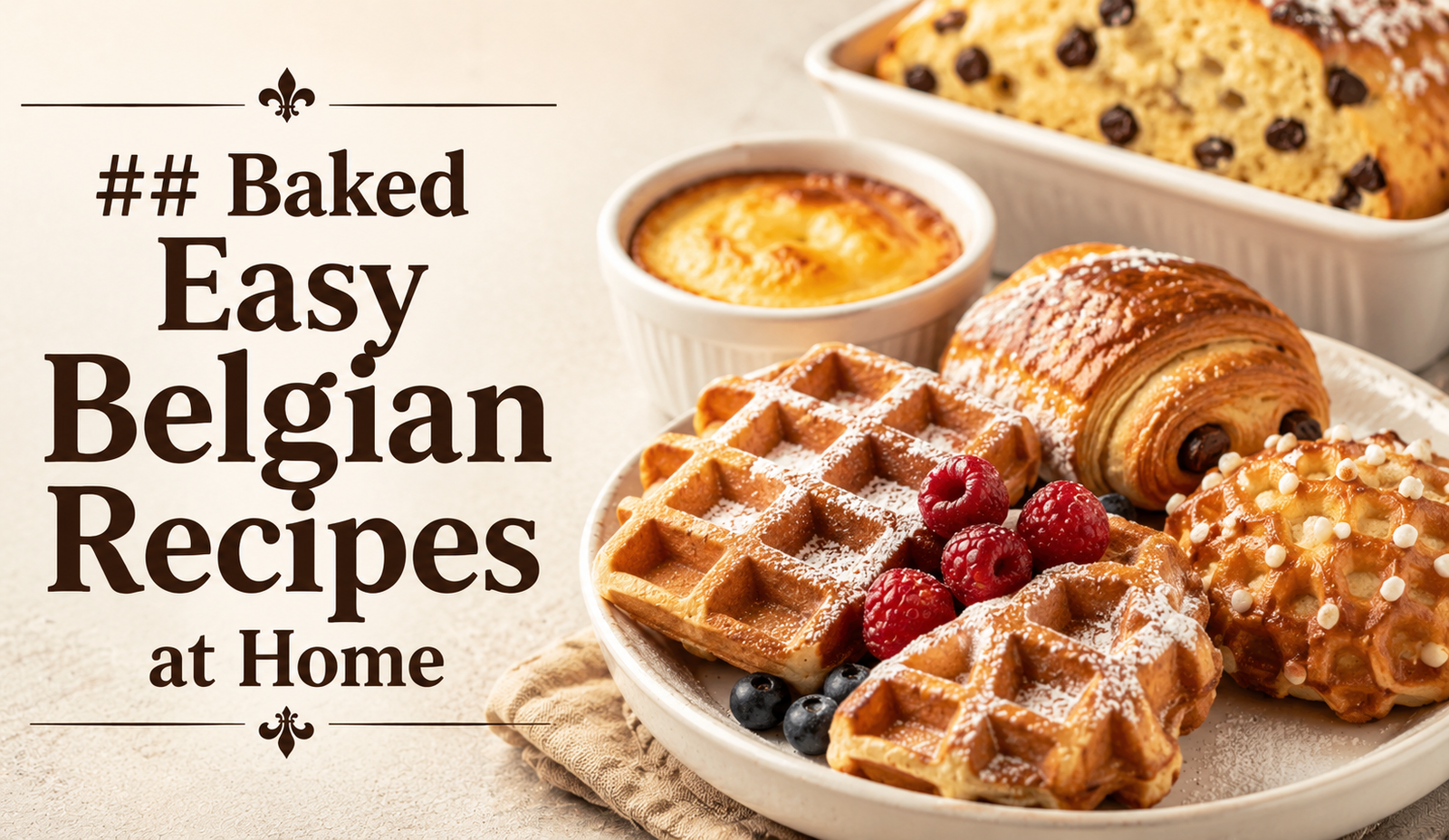
Baking in Belgian cuisine spans both a waffle iron and a conventional oven. Sweet baked goods rely on yeasted dough and pearl sugar, while savory baked dishes use a béchamel or egg base to bind ingredients before finishing under heat.
Gaufres de Liège (Liège Waffles): Dense, chewy, and caramelized at the edges, these are eaten plain, by hand, no toppings needed. Proof yeasted dough studded with pearl sugar for 60 minutes, then bake in a waffle iron for 3 to 4 minutes.
Gaufres de Bruxelles (Brussels Waffles): Light and crisp with deep pockets perfect for holding toppings. Bake a lighter, egg-based batter in a rectangular iron for 4 to 5 minutes.
Speculoos: Warmly spiced shortcrust cookies with a snap and a hint of caramel. Roll a brown sugar and cinnamon dough thin, then bake at 350°F (177°C) for 10 to 12 minutes.
Tarte au Riz (Rice Tart): A creamy, custard-like rice filling in a buttery shortcrust shell. Cook rice in milk until creamy, mix with egg, pour into the shell, and bake for 30 to 35 minutes until just set.
Cramique: Sweet, buttery bread studded with pearl sugar or raisins, perfect toasted for breakfast. Proof the enriched dough for 60 minutes, then bake for 30 to 35 minutes.
Couque de Dinant: A dense honey cookie pressed into carved wooden molds, more decorative than soft. Bake the honey and flour dough at a low temperature for 30 to 40 minutes until firm.
Boiled and No-Cook Belgian Dishes
This category includes the fastest dishes in Belgian home cooking, and it is where our featured Belgian moules frites recipe belongs. Several dishes here require no heat at all, relying instead on fresh, high-quality raw ingredients such as shrimp, tomatoes, or beef.
Belgian Moules Frites Recipe
Moules frites, mussels steamed in white wine and served with a mountain of crispy frites, is arguably Belgium’s most iconic dish, and it is also one of the easiest to make at home. The whole meal comes together in under 30 minutes.
Ingredients:
- 2 lbs fresh mussels, cleaned and debearded
- 2 tbsp butter
- 2 shallots, finely chopped
- 2 cloves garlic, minced
- 1 cup dry white wine
- 1/4 cup fresh parsley, chopped
- Salt and pepper to taste
- A batch of frites, for serving (see the step-by-step guide below)
Steps:
- Discard any mussels that stay open when tapped, since those are no longer fresh.
- Melt the butter in a large pot and sauté the shallots and garlic until soft.
- Add the white wine and bring it to a gentle boil.
- Add the mussels, cover the pot, and steam for 5 to 7 minutes, shaking occasionally, until the shells open.
- Discard any mussels that stay closed after cooking.
- Stir in the parsley, season with salt and pepper, and serve immediately with frites and crusty bread for the broth.
This dish needs no special pot. Any large pot with a tight-fitting lid works, since the mussels only need a few minutes of steam to cook through.
More boiled and no-cook favorites:
Asperges à la Flamande (Flemish Asparagus): Simple and elegant, boil white asparagus for 10 to 12 minutes, then top with crumbled hard-boiled egg, melted butter, and chopped parsley.
Tomates aux Crevettes (Shrimp-Stuffed Tomatoes): A refreshing, no-cook classic. Fill hollowed raw tomatoes with grey shrimp mixed into mayonnaise.
Chicons au Gratin (Endive and Ham Gratin): Creamy, slightly bitter, and deeply comforting. Boil endive for 10 minutes to reduce bitterness, wrap in ham, top with béchamel and cheese, and bake for 20 minutes.
Filet Américain: A cold, savory beef spread seasoned with mustard, capers, onion, and egg yolk, mixed raw and served on bread or with frites.
Dame Blanche: Vanilla ice cream drowned in warm chocolate sauce and topped with whipped cream, ready in under 10 minutes.
Regional Differences in Belgian Home Cooking
Belgian cuisine varies by region, and recipe names often change depending on whether they originate in Flanders, Wallonia, or Brussels. Flemish cooking, from the Dutch-speaking north, favors cream-based sauces and dishes such as waterzooi and stoemp.
Walloon cooking, from the French-speaking south, favors game meats and beer-based braises such as konijn met pruimen and stoofvlees, which is called carbonade flamande in French despite its Flemish origin.
Brussels, as the capital region, blends both traditions and is the origin point for moules frites as a restaurant dish, along with croquettes de crevettes. Dish names frequently appear in both Dutch and French, and a recipe search using either language name will typically return the same dish.
Key Ingredients in Easy Belgian Recipes at Home
| Ingredient | Role | Common Dishes |
|---|---|---|
| Potatoes | Base starch, fried or mashed | Frites, stoemp |
| Belgian endive (witloof) | Bitter vegetable, boiled or braised | Chicons au gratin |
| Grey shrimp | Shellfish used raw or in béchamel | Tomates aux crevettes, croquettes |
| Belgian beer | Braising liquid and batter ingredient | Stoofvlees, some waffle batters |
| Pearl sugar | Adds crunch and caramelization when baked | Gaufres de Liège |
| Speculoos spice | Cinnamon-based spice blend | Speculoos cookies, boulets sauce |
| Mussels | Shellfish steamed in wine or beer | Moules frites |
| Mayonnaise | Cold binding sauce | Tomates aux crevettes, frites |
How to Make Authentic Belgian Frites, Step by Step
Frites show up alongside half the dishes on this list, so getting them right pays off across your whole Belgian cooking rotation.
- Choose the right potato. Use a starchy variety, such as Russet or Bintje, which holds its shape during frying and produces a fluffy interior.
- Cut the potatoes. Cut them into batons roughly 0.4 inches (1 cm) thick for an even cook.
- Rinse and dry. Rinse the cut potatoes in cold water to remove surface starch, then pat completely dry with a towel.
- First fry. Fry the potatoes at 325°F (163°C) for 5 to 6 minutes, until soft but not browned.
- Rest the fries. Remove them and let them rest at room temperature for at least 15 minutes, so steam can escape before the second fry.
- Second fry. Fry again at 375°F (190°C) for 2 to 3 minutes, until golden and crisp on the outside.
- Season and serve. Salt immediately after the second fry, while the surface oil is still hot enough for the salt to stick, and serve with mayonnaise or your favorite dipping sauce.
Belgian Waffles: Liège vs. Brussels
| Attribute | Gaufres de Liège | Gaufres de Bruxelles |
|---|---|---|
| Base | Yeasted, bread-like dough | Thinner batter, similar to pancake batter |
| Shape | Irregular, oval | Rectangular with deep pockets |
| Sweetener | Pearl sugar baked into the dough | Powdered sugar or toppings added after baking |
| Texture | Dense, chewy, caramelized edges | Light, crisp, airy |
| Common serving | Eaten plain, by hand, without toppings | Served with fruit, cream, or chocolate sauce |
| Region of origin | Liège, Wallonia | Brussels |
What to Serve With Easy Belgian Recipes at Home
A complete Belgian meal typically pairs one main dish from the stewed or boiled categories with a starch and a simple condiment.
- With stoofvlees or waterzooi: Serve with frites or boiled potatoes to soak up the sauce.
- With a Belgian moules frites recipe: Serve with extra mayonnaise and crusty bread for the leftover broth.
- With chicons au gratin: Serve with boiled or mashed potatoes as the meal’s only other component.
- With frites: Pair with mayonnaise, or a sauce such as andalouse or samurai, both classic Belgian frites condiments.
- With waffles or speculoos: Serve with coffee, since both are traditionally a mid-afternoon snack rather than a dessert course.
Tips for Making Easy Belgian Recipes at Home
- Do not skip the double fry. A single fry at high heat browns the outside before the inside cooks through, producing soft, undercooked fries.
- Use Belgian or Belgian-style beer for stoofvlees. A malty brown ale gives the stew its characteristic sweetness, while overly hoppy beers make the sauce bitter.
- Boil endive before baking chicons au gratin. Skipping the boil leaves the endive too bitter and releases excess water during baking.
- Chill croquette and bitterballen mixtures fully before breading. A warm filling will not hold its shape in the fryer and can cause the breading to separate.
- Rest waffle batter for Liège waffles for the full proofing time. Under-proofed dough produces a dense, gummy waffle instead of a light, caramelized one.
- Buy the freshest mussels you can find for your moules frites recipe. Fresh mussels should smell like the sea, not fishy, and every shell should close when tapped before cooking.
Frequently Asked Questions
What is the easiest Belgian recipe to make at home? Tomates aux Crevettes is the easiest Belgian recipe to make at home, requiring no cooking beyond mixing the filling.
What is the best Belgian moules frites recipe for beginners? A classic white wine and shallot moules frites recipe works best for beginners, since it needs only one pot, a handful of ingredients, and about 10 minutes of active cooking.
Why are Belgian frites fried twice? Belgian frites are fried twice because the first fry at a lower temperature cooks the interior, while the second fry at a higher temperature crisps the exterior.
What is the difference between Liège and Brussels waffles? Liège waffles use a dense, yeasted dough with pearl sugar baked in, while Brussels waffles use a lighter batter and a rectangular shape.
Can moules frites be made without a special pot? Yes. Moules frites can be made in any large pot with a lid, since mussels only need 5 to 7 minutes of steaming.
What is the most common vegetable in Belgian cooking? Belgian endive (witloof) is one of the most common vegetables in Belgian cooking, used in gratins, salads, and braises.
Is Belgian cooking beginner-friendly? Yes. Dishes such as stoemp and asperges à la flamande use fewer than 6 ingredients and basic boiling or mashing techniques.
What type of beer is used in Belgian beef stew? A Belgian brown or amber ale is typically used in stoofvlees, chosen for its malt sweetness rather than bitterness.
Are Belgian recipes the same in Flanders and Wallonia? No. Flemish recipes favor cream-based sauces, while Walloon recipes favor beer and wine-based braises, though many dishes appear in both regions under different language names.
Conclusion
Easy Belgian recipes at home divide into four simple cooking methods: frying, stewing, baking, and boiling. Frying produces frites and croquettes, stewing produces stoofvlees and waterzooi, baking produces waffles and speculoos, and boiling produces a classic Belgian moules frites recipe and asperges à la flamande.
Regional naming differences between Flanders, Wallonia, and Brussels affect dish names but not the underlying method. Start with something simple like frites or a stoemp, then work your way up to a full pot of moules frites for your next weekend dinner. Matching a dish to its cooking method, pairing it with the right side, and following the tips above lets any home cook recreate an authentic Belgian meal with standard kitchen equipment.