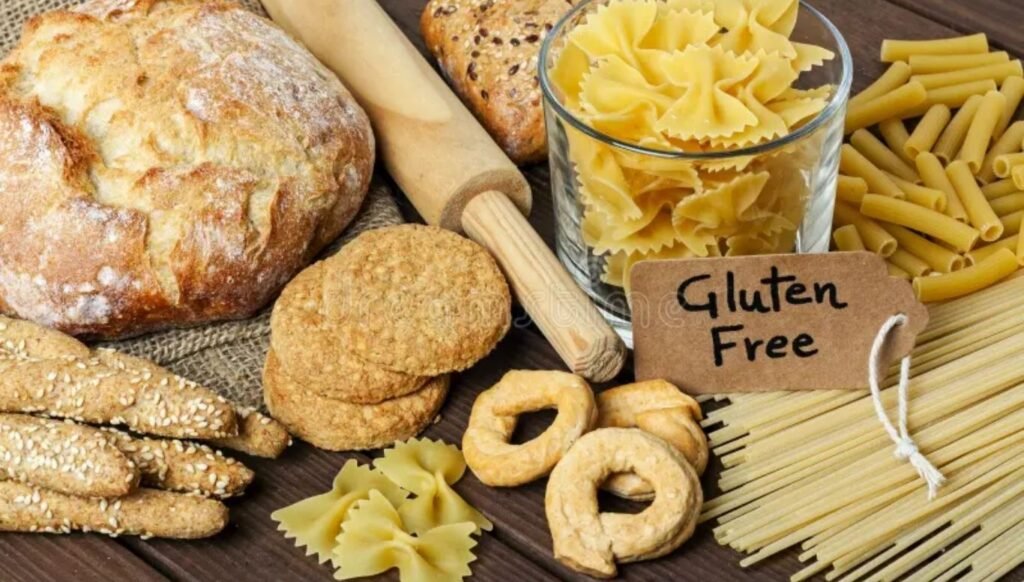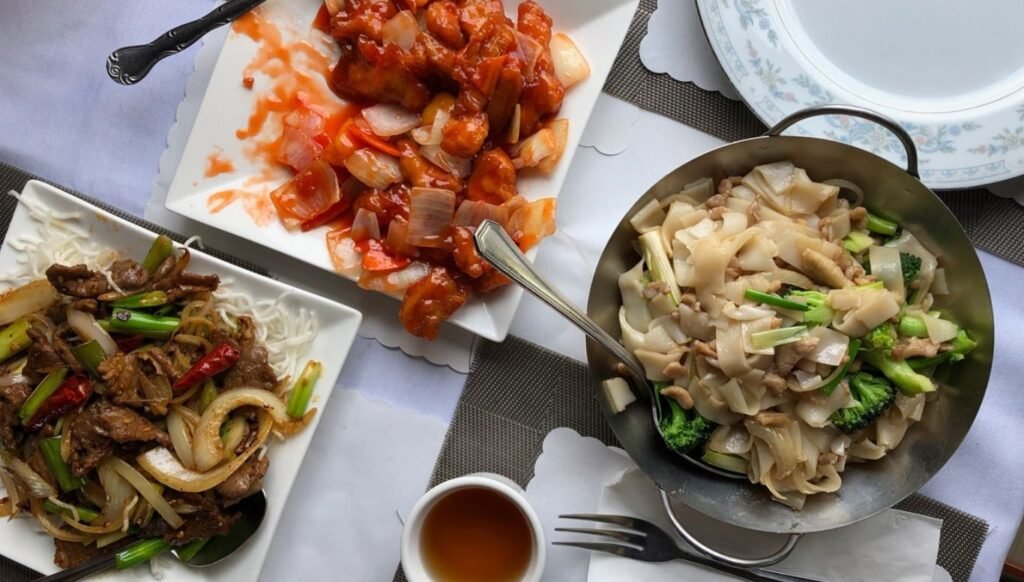
Traditional Gluten Free Chinese Food Near Me often contains hidden gluten in soy sauce, wheat noodles, and thickened sauces, so finding a safe meal nearby means checking ingredients rather than assuming a dish is naturally gluten free. Steamed rice, plain grilled meat, and clear vegetable dishes are usually the safest starting points.
Chinese cuisine relies heavily on soy sauce and wheat-based noodles, which makes it one of the more difficult cuisines to navigate on a gluten-free diet compared to options like Mexican or Thai food.
Why Chinese Food Often Contains Gluten
Wheat appears in several core Chinese cooking ingredients, not just in obvious dishes like noodles or dumplings.
- Soy sauce: traditionally brewed with wheat as a primary ingredient
- Hoisin sauce: contains wheat flour as a thickener in most brands
- Oyster sauce: some brands add wheat-based thickeners
- Wheat noodles: used in lo mein, chow mein, and many noodle soups
- Wonton and dumpling wrappers: made from wheat flour
- Fried batter: used on dishes like sweet and sour chicken and General Tso’s chicken
Naturally Gluten Free Chinese Dishes
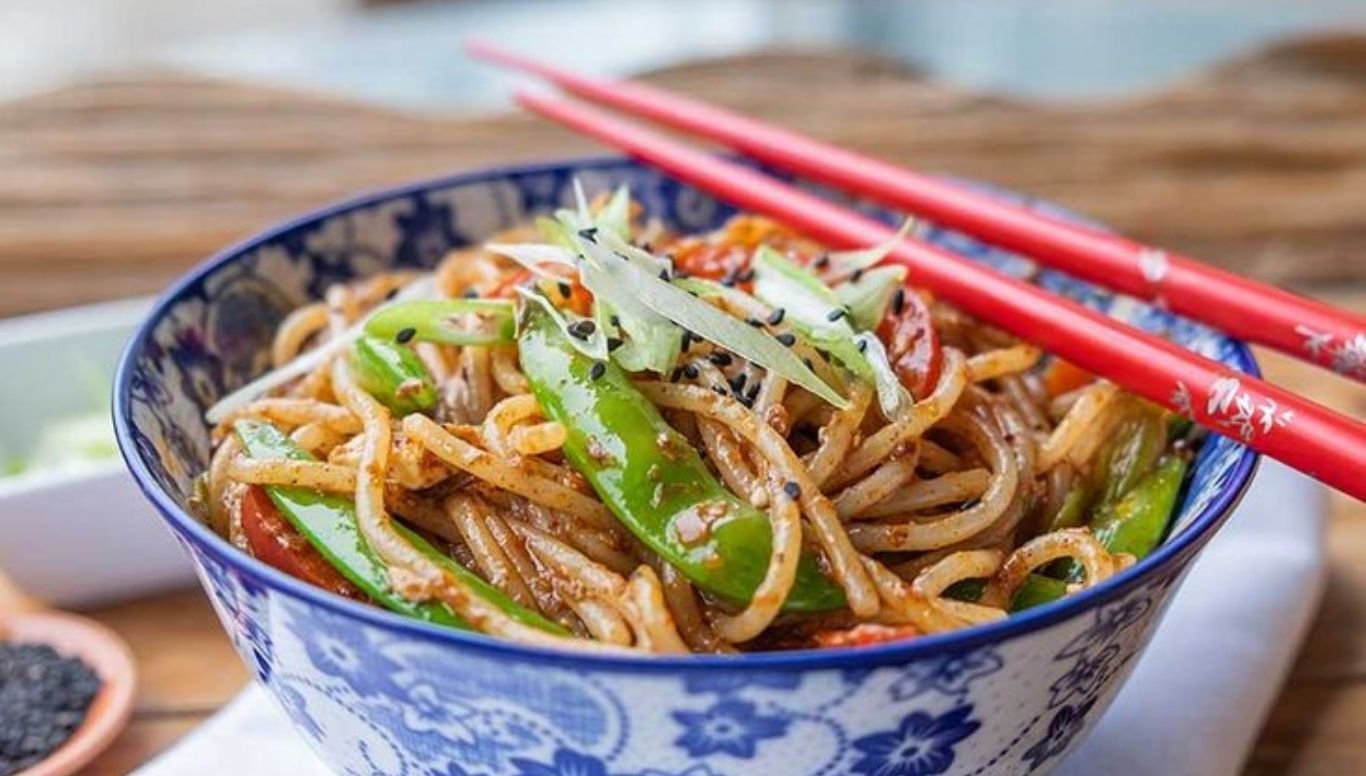
Some dishes avoid gluten by default, though confirming with the kitchen still matters due to shared cooking surfaces.
| Dish | Why It’s Usually Gluten Free |
| Steamed white rice | No wheat ingredients in plain preparation |
| Steamed vegetables | Naturally gluten free without added sauce |
| Egg drop soup | Made from eggs and broth, though some broths add flour |
| Salt and pepper shrimp (without batter) | Naturally gluten free when not fried in batter |
| Mapo tofu (checked for sauce ingredients) | Can be gluten free depending on the soy sauce used |
| Rice noodles (as used in some regional dishes) | Made from rice flour instead of wheat |
Chinese Dishes to Avoid or Question Carefully
These dishes commonly contain hidden gluten and require direct questions before ordering.
- Lo mein and chow mein, both made with wheat noodles
- Dumplings and wontons, made with wheat wrappers
- General Tso’s chicken and sweet and sour dishes, coated in wheat-based batter
- Egg rolls, wrapped in a wheat-based shell
- Any dish listed as “in brown sauce,” since brown sauce usually contains soy sauce and cornstarch mixed with wheat-based thickeners
How to Order Gluten Free Chinese Food Safely
Follow these steps when ordering at a Chinese restaurant.
- Ask if the kitchen has tamari or a certified gluten-free soy sauce available.
- Request steamed dishes instead of fried or battered options.
- Ask the server to confirm the sauce ingredients for any dish before ordering.
- Avoid shared fryer items if you have celiac disease, since cross-contamination risk is high.
- Order rice instead of noodles unless the restaurant confirms rice noodles are used.
Key Substitutions for a Gluten Free Chinese Meal
| Regular Ingredient | Gluten Free Substitute |
| Soy sauce | Tamari or coconut aminos |
| Wheat noodles | Rice noodles or rice |
| Wonton wrappers | Rice paper wrappers |
| Hoisin sauce | Gluten-free hoisin sauce or a homemade substitute |
| Battered fried chicken | Grilled or steamed chicken |
Tamari, a Japanese sauce similar to soy sauce, is brewed with little to no wheat and works as the most common substitute in gluten-free Chinese cooking.
Questions to Ask Before Ordering
- Does the restaurant use tamari or a certified gluten-free soy sauce?
- Is the wok used for gluten-free dishes cleaned separately from wok used with wheat noodles?
- Are sauces made in-house or from a pre-made bottle that might contain wheat?
- Can the kitchen prepare a dish with rice instead of noodles?
- Does the fryer used for gluten-free items also cook breaded or battered food?
Regional Chinese Cuisine and Gluten Free Options
Different regional styles of Chinese cooking carry different levels of gluten risk.
- Cantonese cuisine: often lighter on sauces, with more steamed dish options
- Sichuan cuisine: relies heavily on soy sauce and bean paste, higher gluten risk
- Hunan cuisine: similar sauce-heavy profile to Sichuan cooking
- Dim sum: mostly wheat-based wrappers, one of the highest-risk categories for gluten
How to Make Gluten Free Chinese Food at Home
Cooking at home removes most of the cross-contamination risk found in a shared restaurant kitchen.
- Stock a certified gluten-free tamari or soy sauce as a base replacement.
- Use rice noodles or plain rice instead of wheat noodles.
- Thicken sauces with cornstarch instead of wheat flour.
- Check pre-made sauces like hoisin and oyster sauce for wheat before buying, or make a gluten-free version at home.
- Use a dedicated pan or wok if other members of the household cook with wheat-based ingredients regularly.
Home cooking also allows full control over frying oil, which removes the fryer cross-contamination risk common in restaurant kitchens.
Delivery and Takeout Tips for Gluten Free Chinese Food
Ordering delivery adds an extra layer of uncertainty, since there is no direct conversation with the kitchen at the time of cooking.
- Call the restaurant directly instead of relying only on the online ordering notes field.
- Confirm gluten-free substitutions before the order is placed, not after it arrives.
- Ask whether the restaurant uses separate containers for gluten-free orders to avoid contact with wheat-based items.
- Request that sauces be packaged separately so you can control the amount added.
FAQs
Is Chinese food usually gluten free?
No, traditional Chinese food often contains gluten from soy sauce, wheat noodles, and battered fried dishes.
What can I safely order at a Chinese restaurant if I am gluten free?
Steamed rice, steamed vegetables, and plain grilled or steamed meat are the safest starting choices at most Chinese restaurants.
Is soy sauce always made with wheat?
Most traditional soy sauce contains wheat, though tamari and specifically labeled gluten-free soy sauce brands do not.
Are rice noodles gluten free?
Yes, rice noodles are made from rice flour and are naturally gluten free, unlike wheat-based lo mein or chow mein noodles.
Can restaurants make Chinese food gluten free on request?
Many restaurants can substitute tamari for soy sauce and swap noodles for rice, though cross-contamination in a shared kitchen remains a risk.
What Chinese dishes should I avoid completely if I have celiac disease?
Avoid dumplings, wontons, battered fried dishes, and any noodle dish unless the restaurant confirms the noodles are rice-based.
Does ordering steamed food guarantee it is gluten free?
Not always, since some steamed dishes still use a sauce or marinade that contains soy sauce or wheat-based thickeners.
Conclusion
Finding gluten free Chinese food near you takes more than picking a restaurant with a gluten-free label. Knowing which ingredients commonly hide wheat, such as soy sauce, hoisin sauce, and wheat noodles, makes it easier to ask the right questions and order with confidence.
Steamed rice, plain vegetables, and grilled meat remain the safest default choices, while dishes with batter, wonton wrappers, or pre-made sauces need direct confirmation from the kitchen before ordering.