Paraguay dishes center on cassava, corn, cheese, and grilled beef, blending Guarani indigenous cooking with Spanish colonial influence. The national dish, sopa paraguaya, is a savory cornbread rather than a soup, despite its name. Most traditional recipes use corn or cassava flour instead of wheat, which makes a large part of this cuisine naturally gluten free.
Paraguayan cuisine grew from the food traditions of the Guarani people, who relied on cassava, corn, and local game long before Spanish colonizers arrived in the 16th century. The Spanish later introduced beef, dairy, and wheat, which folded into the existing food culture instead of replacing it. The result is a cuisine built on simple, starchy staples that has stayed remarkably consistent for centuries.
Core Ingredients in Paraguayan Cooking
Four ingredients appear across most traditional Paraguay dishes.
| Ingredient | Role in Paraguayan Cuisine |
|---|---|
| Cassava (mandioca) | Base for chipa breads, fried cakes, and side dishes |
| Corn | Used in soups, breads, porridge, and desserts |
| Cheese | Added to breads, soups, and porridge for richness |
| Beef | Central to grilled dishes and stews |
Corn appears in more forms in Paraguayan cooking than in most South American cuisines, ranging from fresh kernels to ground cornmeal. Cassava plays an equally central role, since cassava flour (almidon) forms the base of the chipa family of breads. Notably, neither staple contains gluten, which is why so many Paraguay dishes suit gluten free diets without any substitution.
Sopa Paraguaya: The National Dish
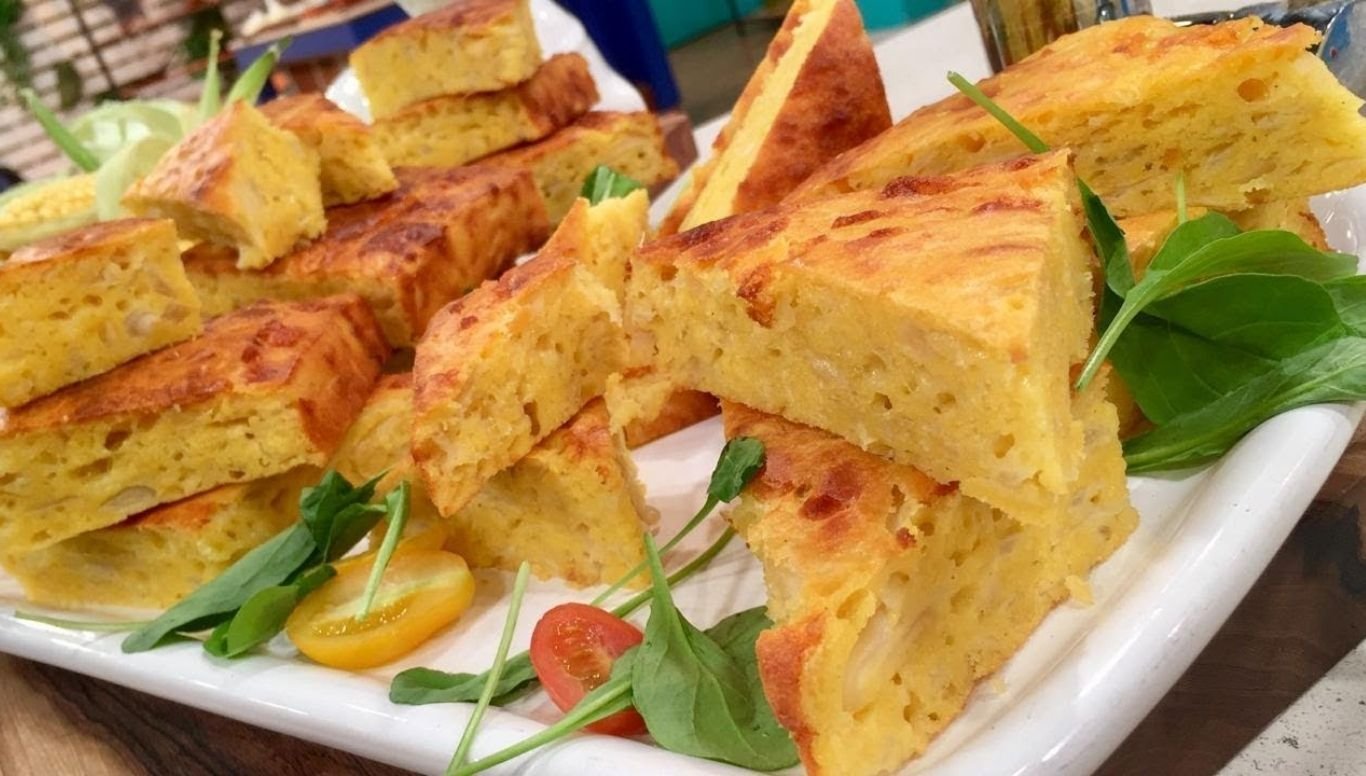
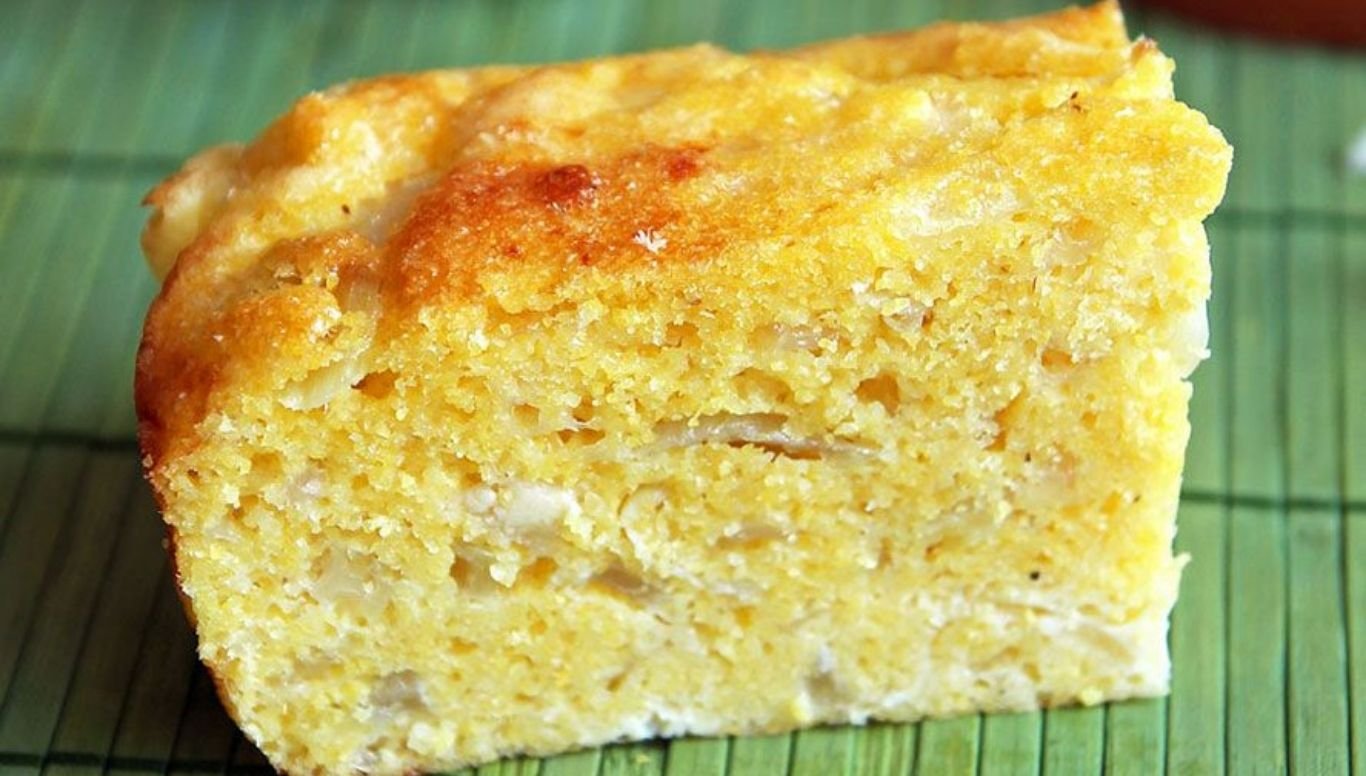
Sopa paraguaya translates to “Paraguayan soup,” though the dish is a dense, savory cornbread rather than a liquid soup. Cornmeal, cheese, onion, milk, and eggs form the base of the recipe. Legend credits the dish to an accident in the kitchen of 19th-century leader Carlos Antonio Lopez, when a cook added too much cornmeal to a soup and baked it instead of serving it as a liquid.
The dish holds status as the national dish of Paraguay and appears at most family gatherings, holidays, and asado barbecues. Bakers commonly use queso Paraguay, a soft, crumbly local cheese, though mozzarella or queso fresco work as substitutes outside the country. Because the recipe uses cornmeal and no wheat flour, sopa paraguaya is naturally gluten free when the cornmeal is certified gluten free and free of cross contamination.
Chipa and Its Variations
Chipa refers to a family of baked goods made primarily from cassava flour, cheese, and eggs. Paraguay has more than 70 recorded variations of chipa, and vendors sell them fresh from baskets on street corners and in markets across the country.
- Chipa: a ring-shaped bread made from cassava flour, cheese, and egg
- Chipa guasu: a moist cornbread made from fresh corn kernels rather than dried cornmeal
- Chipa so’o: a filled version of chipa with a beef filling inside the dough
- Mbeju: a starch-based flatbread made from cassava starch and cheese, cooked on a griddle
Chipa serves as both a breakfast food and a snack, often paired with cocido, a hot tea made from yerba mate. If you enjoy experimenting with alternative-flour breads at home, our gluten free bread recipe uses similar binding techniques with cassava-style starches.
Main Dishes and Soups of Paraguay
Paraguayan main courses lean heavily on soups, stews, and grilled meat. Soups are so central that several of them appear daily in home kitchens, not just at celebrations.
| Dish | Description | Gluten Status |
|---|---|---|
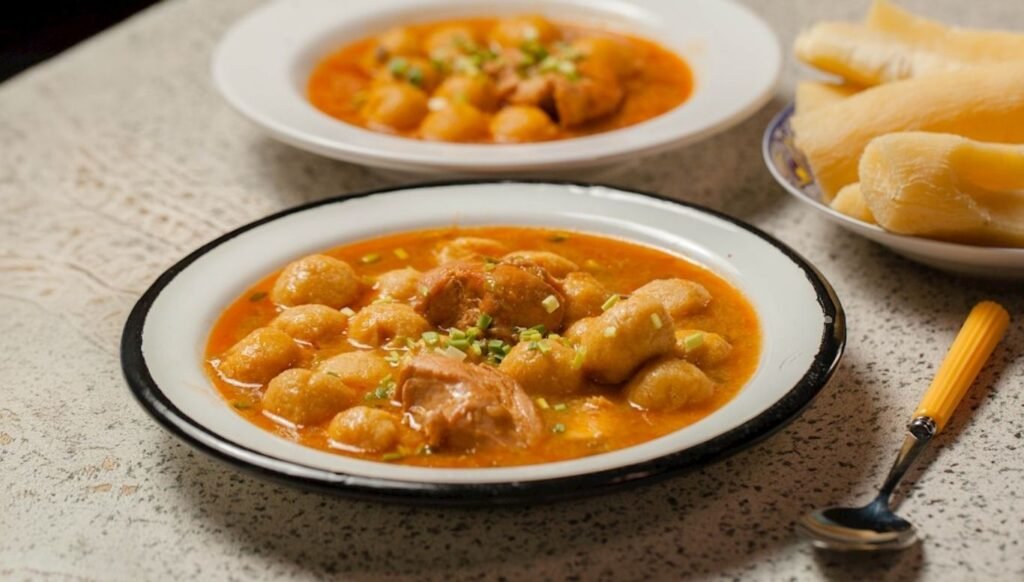
| Vori vori | A chicken soup with small cornmeal and cheese dumplings | Naturally gluten free |
| Bife koygua | A beef and vegetable stew often served with a poached egg | Naturally gluten free |
| Pira caldo | A fish soup made with river fish, vegetables, and sometimes cheese | Naturally gluten free |
| Mbaipy so-o | A corn pudding cooked with meat | Naturally gluten free |
| Soyo | A thick soup made from ground meat and vegetables | Naturally gluten free |
| Milanesa | A breaded meat cutlet, fried or baked | Contains gluten (breadcrumbs) |
| Tallarin paraguayo | A spaghetti dish with a beef and tomato sauce, showing Italian influence | Contains gluten (wheat pasta) |
Vori vori stands out for its dumpling style, since the cornmeal balls hold cheese and absorb the broth’s flavor during cooking. Travelers with celiac disease should note that milanesa and tallarin paraguayo are the two dishes in this list that normally contain wheat, so they need gluten free substitutes when ordered at restaurants.
Asado: The Social Cornerstone of Paraguayan Food
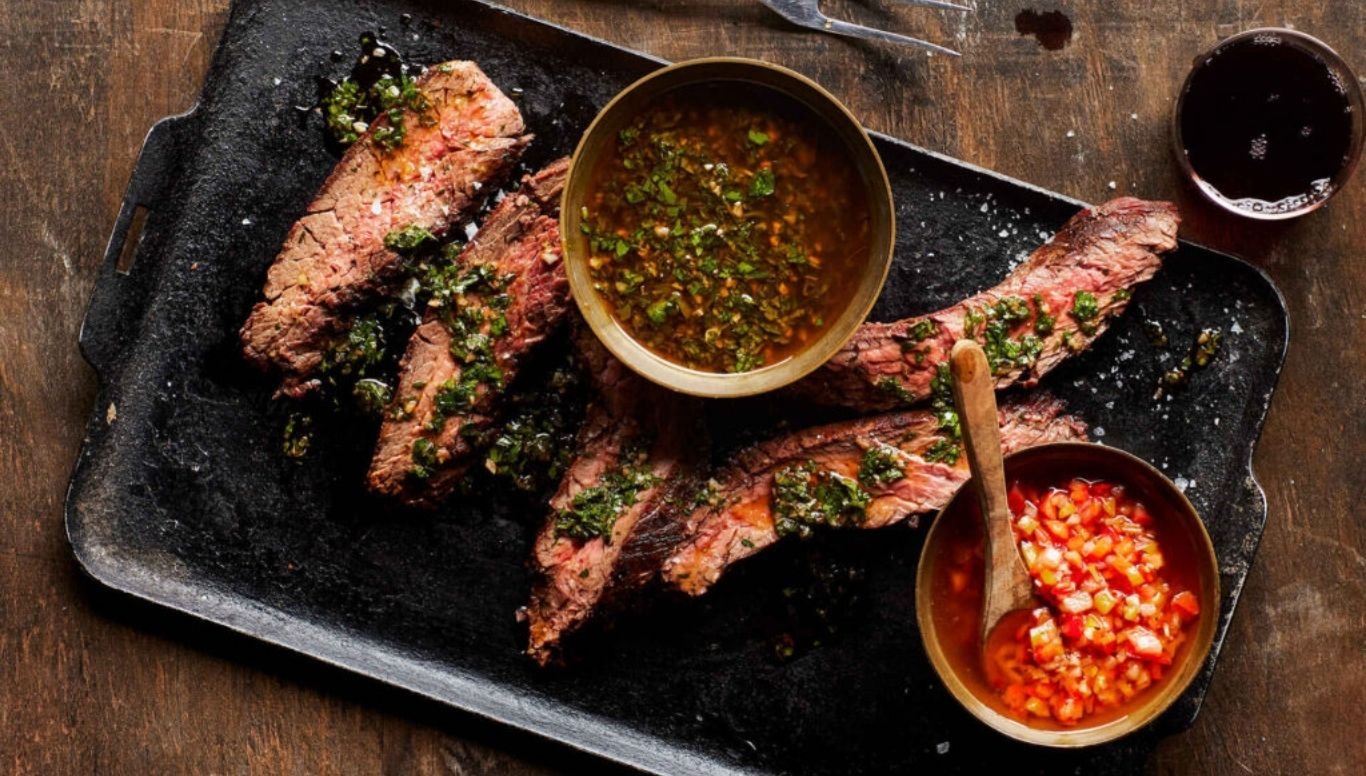
Asado refers to grilled meat cooked over open coals, similar to barbecue traditions in Argentina and Brazil. In Paraguay, asado functions as both a cooking method and a social event, often bringing together extended family for a shared meal on Sundays and holidays.
Parrillada, a related dish, refers to a mixed grill of meat cooked over hot coals, sometimes wrapped in banana leaves for added flavor. An asado spread typically includes grilled beef cuts, sausages, and chicken, served alongside cassava, chipa, and salads.
Kiveve and Other Side Dishes
Kiveve is a traditional Paraguayan side dish made from pumpkin, cornflour, onion, milk, sugar, and fresh cheese. The dish balances a savory-sweet flavor and often accompanies grilled meat at an asado.
Other common sides include:
- Lampreado: a fried cake made from cassava flour, also known as payagua mascada
- Rora: a cornmeal porridge often served with egg, cheese, and vegetables for breakfast
- Mazamorra: a cooked corn mush served as a simple side or light meal
- Ensalada de mandioca: boiled cassava tossed with onion, parsley, and lime, served cold
Paraguayan Desserts
Corn, milk, and molasses form the base of most traditional Paraguayan desserts.
- Dulce de leche: a milk-based caramel spread used in cakes and on bread
- Mbaipy-he-e: a dessert made from milk, molasses, and corn
- Kosereva: a candy made from the peel of the sour orange, cooked in black molasses
- Dulce de mamon: candied papaya simmered in syrup, a common preserve
These desserts often appear at the end of an asado or alongside afternoon tea. For more sweet ideas that fit a gluten free diet, browse our collection of easy gluten free dessert recipes, which includes naturally gluten free treats like flourless chocolate cake.
Traditional Paraguayan Beverages
Yerba mate forms the base of Paraguay’s most iconic drinks.
| Beverage | Description |
|---|---|
| Terere | Cold yerba mate infusion, often served with herbs and citrus |
| Cocido | Hot yerba mate tea, prepared with sugar and burnt coal for flavor |
| Cana | An alcoholic spirit made from fermented sugarcane juice |
| Mosto | A non-alcoholic sugarcane beverage |
Terere holds cultural importance beyond refreshment, since sharing the drink from a common gourd is a social custom throughout Paraguay. Paraguayans drink terere year round because of the country’s hot climate, while cocido appears more often in the cooler winter months.
Which Paraguay Dishes Are Gluten Free? A Complete Audit
This table gives travelers and home cooks a quick safety reference, updated October 2026.
| Dish | Gluten Free? | What to Watch For |
|---|---|---|
| Sopa paraguaya | Yes | Confirm cornmeal is certified gluten free |
| Chipa (all types) | Yes | Cassava flour is safe; check shared bakery equipment |
| Chipa guasu | Yes | Fresh corn is safe; check cheese additives |
| Mbeju | Yes | Cooked on a clean griddle to avoid cross contact |
| Vori vori | Yes | Dumplings are cornmeal based; check broth ingredients |
| Pira caldo | Yes | Confirm no wheat thickener in the soup |
| Kiveve | Yes | Uses cornflour; check the cheese for additives |
| Asado meats | Yes | Ask about marinades and sausage fillers |
| Milanesa | No | Breaded with wheat crumbs; request a gluten free coating |
| Tallarin paraguayo | No | Made with wheat spaghetti; substitute corn or rice pasta |
How Paraguayan Food Differs from Neighboring Cuisines
Paraguay shares borders with Argentina, Brazil, and Bolivia, yet its cuisine keeps a distinct identity built around corn and cassava rather than the wheat and rice more common in its neighbors.
- Argentina: shares the asado tradition, but Argentine cuisine leans more heavily on beef alone, with less use of cassava and cornmeal in daily meals
- Brazil: shares cassava as a staple, though Brazilian dishes use it differently, often as farofa rather than baked into bread
- Bolivia: shares corn-based dishes, but Bolivian cuisine leans more on potatoes and chili, while Paraguayan food stays mild
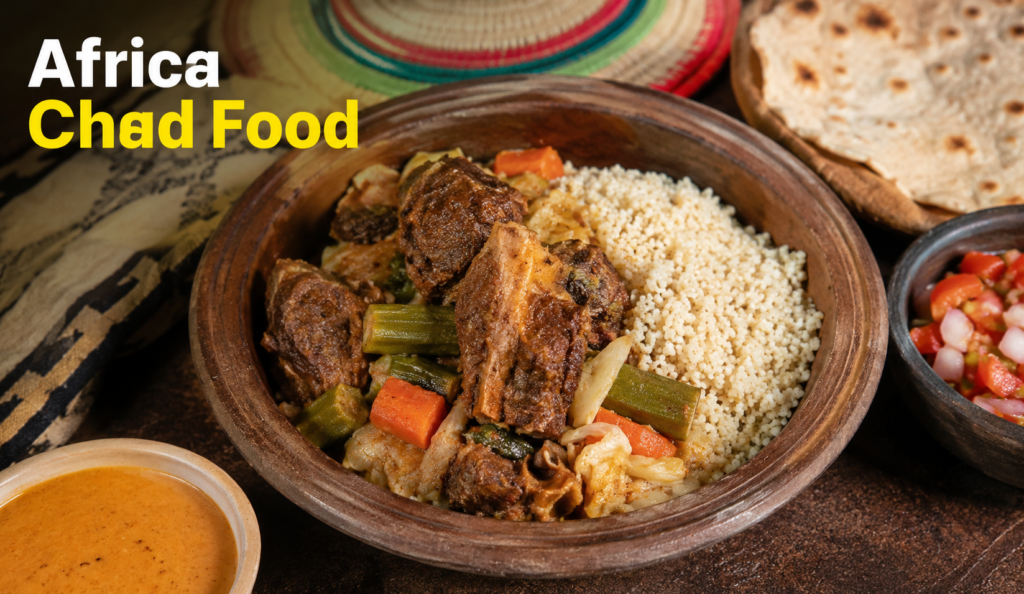
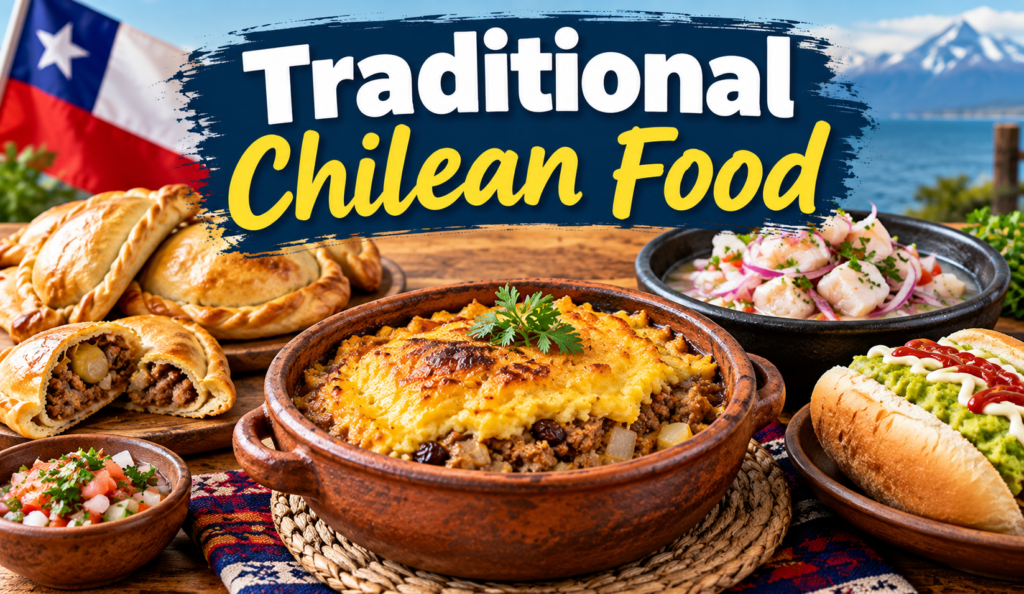
The consistent use of queso Paraguay, a crumbly local cheese, sets Paraguayan dishes apart from the cuisines of its neighbors, since cheese appears in bread, soup, and porridge alike. Readers exploring more Latin American food traditions may also enjoy our guides to traditional Honduran food, traditional Chilean food, and Africa Chad food.
Frequently Asked Questions
What is the national dish of Paraguay?
Sopa paraguaya, a savory cornbread made with cornmeal, cheese, and onion, holds the status of Paraguay’s national dish.
What is chipa made of?
Chipa is made from cassava flour, cheese, and egg, formed into a ring shape and baked.
Is Paraguayan food spicy?
No, Paraguayan food relies on ingredients like corn, cheese, and cassava rather than chili peppers, so most dishes are mild.
What meat is most common in Paraguay?
Beef is the most common meat in Paraguayan cuisine, especially in asado and grilled dishes.
What do Paraguayans drink with meals?
Paraguayans commonly drink terere, a cold yerba mate infusion, or cocido, a hot yerba mate tea.
What is the difference between sopa paraguaya and chipa guasu?
Sopa paraguaya uses dried cornmeal for a firmer texture, while chipa guasu uses fresh corn kernels for a softer, moister result.
What vegetables are common in Paraguayan cooking?
Cassava, corn, pumpkin, and onion appear most often in traditional Paraguayan dishes.
Is chipa gluten free?
Yes, traditional chipa is naturally gluten free because it uses cassava flour, cheese, and egg, with no wheat. Buyers should still check that bakeries keep shared equipment clean to avoid cross contact.
What is mbeju?
Mbeju is a flatbread made from cassava starch and cheese, cooked on a hot griddle until crisp at the edges. It is a popular breakfast food in Paraguay.
Is terere served hot or cold?
Terere is served cold. It is a cold infusion of yerba mate, often flavored with herbs and citrus, while cocido is the hot version of the drink.
What is kiveve?
Kiveve is a savory-sweet Paraguayan side dish made from pumpkin, cornflour, onion, milk, sugar, and fresh cheese.
Can people with celiac disease eat Paraguay dishes safely?
Most traditional Paraguay dishes are naturally gluten free since they rely on corn and cassava. The main exceptions are milanesa, which uses wheat breadcrumbs, and tallarin paraguayo, which uses wheat pasta. At restaurants, always ask about marinades, shared fryers, and broth ingredients.
Conclusion
Paraguay dishes reflect a long history that blends Guarani ingredients like cassava and corn with Spanish additions like beef and cheese. Sopa paraguaya remains the clearest symbol of this fusion, since a cornbread carries the title of national dish rather than a meat or seafood dish.
From the many varieties of chipa to the shared ritual of drinking terere, Paraguayan food culture centers on communal meals and simple, corn-based staples that have stayed consistent for generations. The country’s cuisine even received formal recognition when UNESCO added ancestral Guarani-Jesuit culinary practices to its Intangible Cultural Heritage list in December 2024, confirming that these traditions remain alive and protected as of 2026.
Read more about the cultural background of Paraguayan traditions.