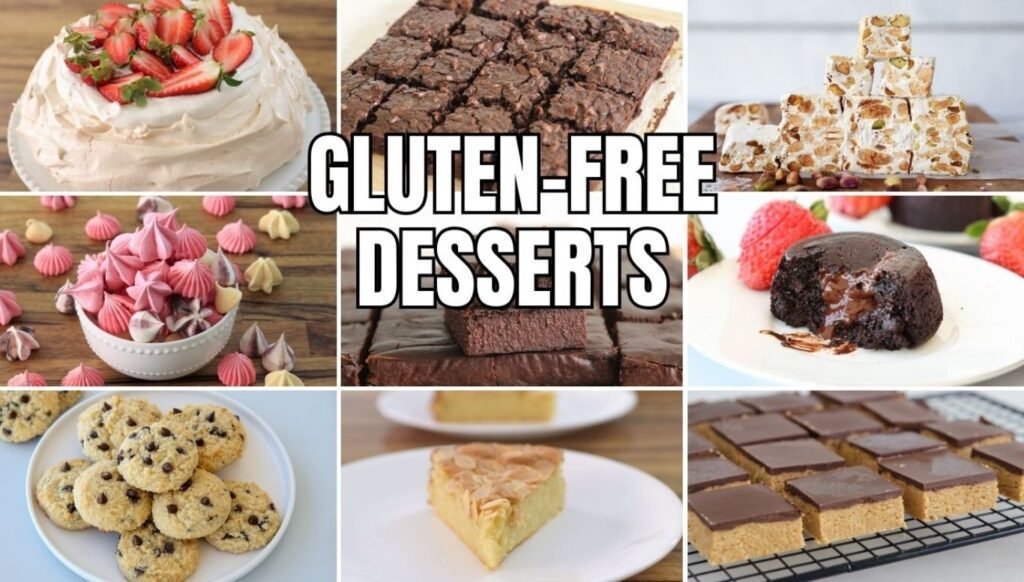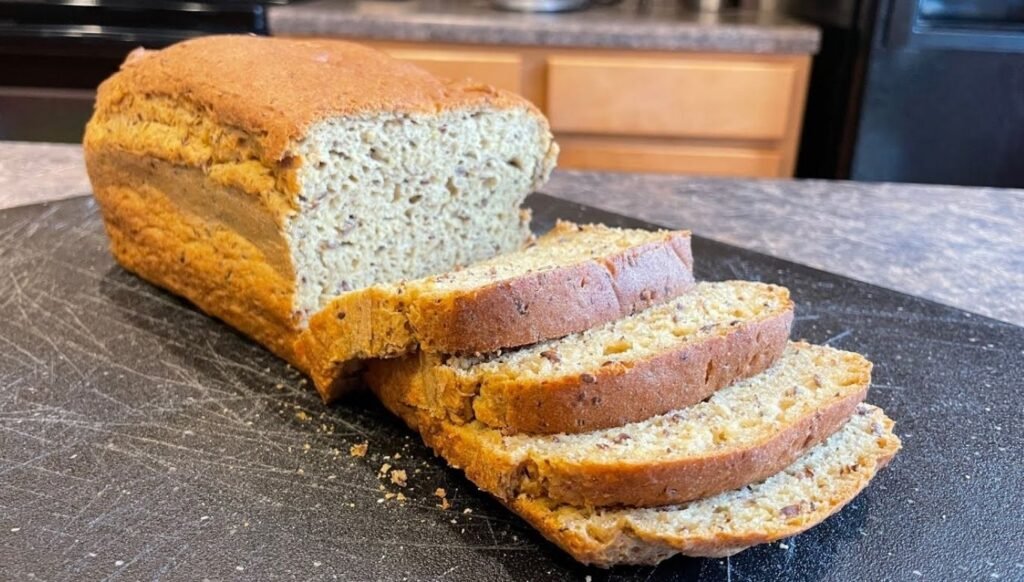
Gluten free bread is bread made without wheat, barley, rye, or any grain that contains gluten, and it must contain less than 20 parts per million of gluten to earn the label. People with celiac disease, gluten sensitivity, or wheat allergy rely on this bread as a safe substitute, and the market now includes many varieties that match regular bread in taste and texture. Below you get a complete homemade recipe with exact ingredients, plus everything you need to know about buying, storing, and choosing store brands.
Gluten is a protein found in wheat, barley, and rye that gives regular bread its elastic structure. Bakers replace gluten with binding agents like xanthan gum or psyllium husk, which hold the bread together and prevent it from crumbling.
Why People Choose Gluten Free Bread
Three medical conditions drive most gluten free bread purchases.
- Celiac disease: an autoimmune disorder where gluten damages the small intestine
- Non-celiac gluten sensitivity: causes bloating, fatigue, or headaches without intestinal damage
- Wheat allergy: triggers an immune response to proteins found in wheat, including gluten
Some people also choose gluten free bread as part of a grain-reduced or low-carbohydrate diet, even without a medical condition. People without these conditions do not need gluten free bread for health reasons, since regular bread provides more fiber and protein in most cases.
Types of Gluten Free Bread
Several types of gluten free bread exist, each made from a different base flour.
- Rice flour bread: made from white or brown rice flour, mild in taste
- Almond flour bread: high in protein and healthy fats
- Buckwheat bread: despite the name, buckwheat contains no wheat or gluten
- Oat bread: made with certified gluten free oats
- Sourdough gluten free bread: uses a gluten free starter for fermentation
- Cassava flour bread: made from the cassava root, common in grain-free diets; chipa, the famous bread of Paraguay, is a cassava flour bread (see our guide to Paraguay dishes)
- Chickpea flour bread: high in fiber and plant protein
- Multigrain gluten free bread: blends several gluten free flours for a fuller flavor
Each type suits a different purpose. Rice and tapioca blends work well for everyday sandwiches, while almond and chickpea flours suit people who want extra protein per slice.
How to Make Gluten Free Bread at Home: Full Recipe
Home baking gives you full control over ingredients, which helps people who need to avoid added sugar or specific allergens. This recipe uses a blend of rice flour, tapioca starch, and psyllium husk, which produces the closest texture to regular bread among home methods.
Ingredients
- 300g white rice flour
- 120g tapioca starch
- 80g potato starch
- 2 tablespoons psyllium husk powder
- 7g instant yeast (about 2 teaspoons)
- 10g salt (about 2 teaspoons)
- 20g sugar (about 1.5 tablespoons)
- 350ml warm water (around 40°C, not hot)
- 30ml olive oil (2 tablespoons)
- 1 large egg, room temperature
- 1 teaspoon apple cider vinegar
Baking Steps
- Whisk the rice flour, tapioca starch, potato starch, psyllium husk, yeast, salt, and sugar in a large bowl.
- Combine the warm water, olive oil, egg, and vinegar in a separate bowl.
- Pour the wet mixture into the dry mixture and stir with a wooden spoon for 2 minutes until a thick, smooth batter forms. Gluten free dough looks more like thick cake batter than regular bread dough.
- Grease a 23cm loaf pan and dust it lightly with rice flour.
- Transfer the batter to the pan and smooth the top with a wet spatula.
- Cover with a clean towel and let the batter rise for 45 minutes in a warm spot. It should grow by about one third.
- Preheat the oven to 200°C (400°F) during the last 15 minutes of rising.
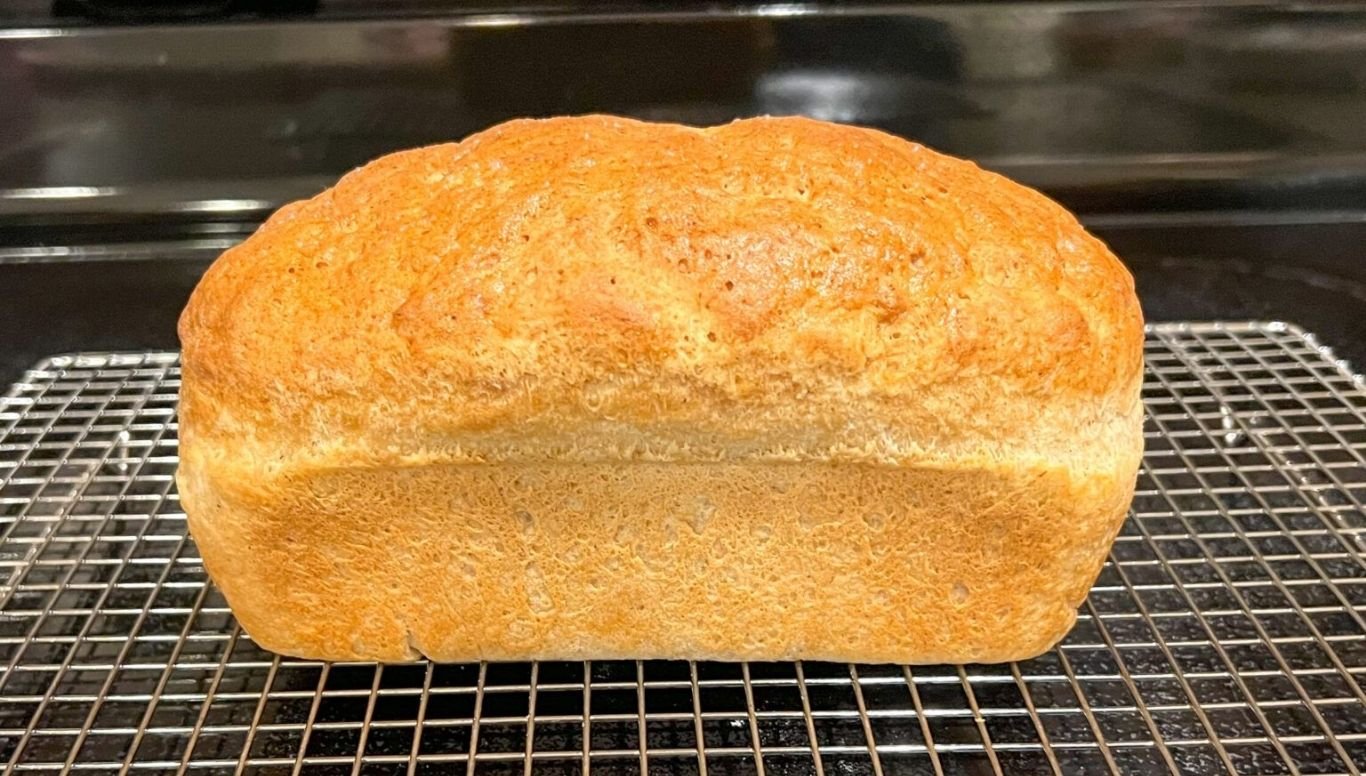
- Bake for 40 to 45 minutes until the top is deeply golden and the loaf sounds hollow when tapped.
- Remove the loaf from the pan after 5 minutes and cool it on a wire rack for at least 1 hour before slicing.
Cutting the loaf while it is still warm causes gummy slices, so patience at step 9 matters as much as the ingredient ratios. This recipe makes one loaf of about 12 slices.
Key Ingredients in Gluten Free Bread
| Ingredient | Function | Common Source |
|---|---|---|
| Rice flour | Base structure | White or brown rice |
| Xanthan gum | Binding agent | Fermented sugar |
| Psyllium husk | Fiber and binding | Plantago plant seeds |
| Tapioca starch | Texture and elasticity | Cassava root |
| Eggs | Binding and moisture | Chicken eggs |
| Yeast | Leavening | Fermentation culture |
Manufacturers combine two or more of these ingredients to balance texture, rise, and shelf life. A bread made only from rice flour tends to crumble, so most recipes add a binding agent.
Nutritional Value of Gluten Free Bread
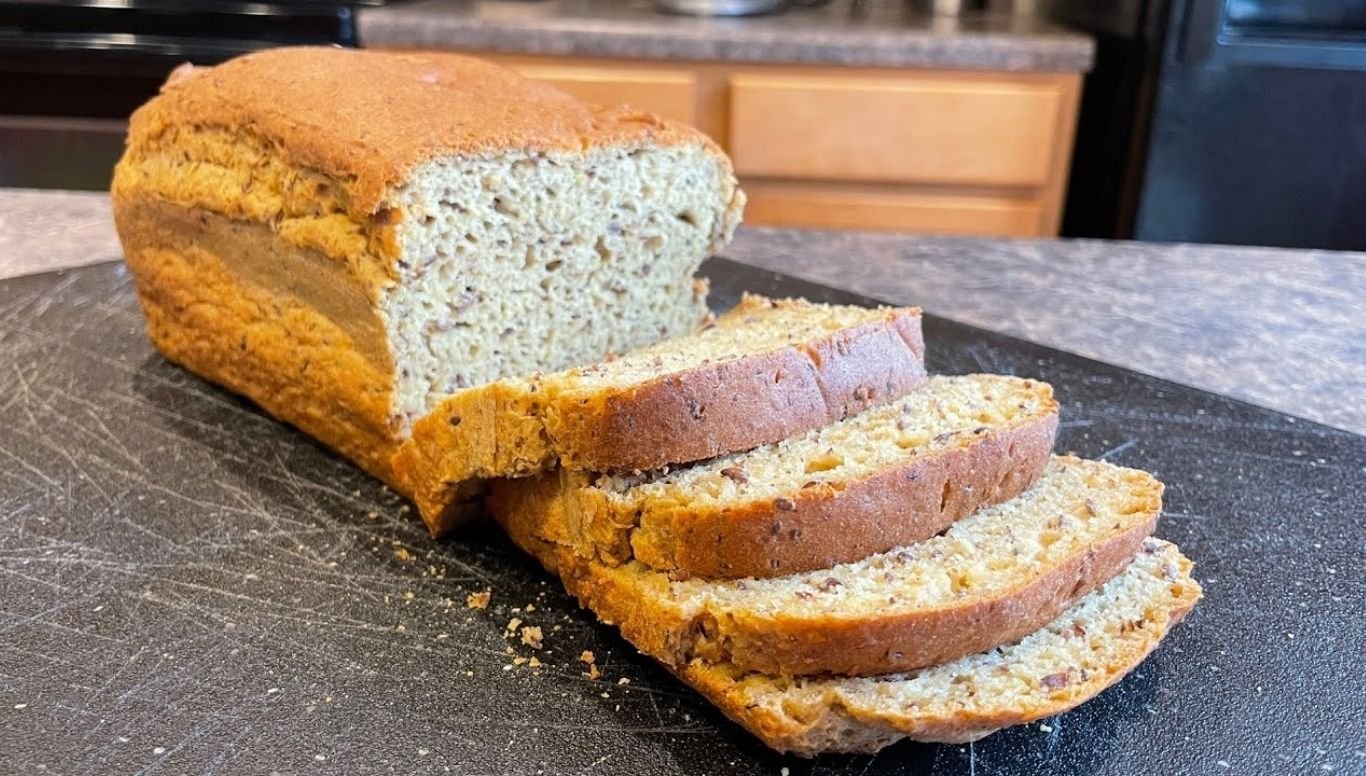
A standard 30-gram slice of gluten free bread contains the following average values.
| Nutrient | Amount per Slice | Benefit |
|---|---|---|
| Calories | 80-100 kcal | Energy source |
| Carbohydrates | 15-20 g | Primary fuel for the body |
| Protein | 1-3 g | Muscle repair |
| Fiber | 1-2 g | Digestive support |
| Fat | 1-2 g | Nutrient absorption |
Gluten free bread often contains less fiber and protein than whole wheat bread. Manufacturers add seeds, legume flours, or psyllium husk to improve this balance.
Gluten Free Bread vs Regular Bread
| Factor | Gluten Free Bread | Regular Bread |
|---|---|---|
| Main flour | Rice, almond, buckwheat | Wheat |
| Gluten content | None (under 20 ppm) | Present |
| Texture | Denser, crumbles more easily | Elastic and chewy |
| Shelf life | Shorter, 3-5 days | Longer, 5-7 days |
| Fiber content | Varies by recipe | Higher in whole wheat versions |
| Price | Generally higher | Generally lower |
| Suitable for celiac disease | Yes | No |
Regular bread costs less to produce because wheat flour is widely available. Gluten free flours require more processing, which raises the retail price.
Troubleshooting: Why Homemade Gluten Free Bread Fails
| Problem | Cause | Fix |
|---|---|---|
| Loaf collapses after baking | Overproofed or too much yeast | Rise only 45 minutes; measure yeast exactly |
| Gummy, wet center | Sliced before cooling fully | Cool on a rack for a full hour before slicing |
| Crumbly slices | Missing or weak binding agent | Add 1 tablespoon psyllium husk or 1 teaspoon xanthan gum |
| No rise at all | Water too hot killed the yeast | Keep water at 40°C, warm but not hot to the touch |
| Hard, dry crust | Oven too hot or baked too long | Bake at 200°C max and tent with foil if browning fast |
| Dense brick texture | Batter overmixed after adding liquid | Stir just until smooth, no more than 2 minutes |
| Sour or yeasty taste | Risen too long in a warm kitchen | Cut sugar to 15g and shorten the rise to 35 minutes |
Benefits and Downsides
Benefits: prevents digestive symptoms in people with celiac disease, reduces bloating in people with gluten sensitivity, lowers the risk of an allergic reaction in people with wheat allergy, offers alternative nutrients through flours like almond or chickpea, and supports a varied diet for people avoiding grains.
Downsides: lower fiber content compared to whole wheat bread in many recipes, higher price per loaf due to specialty flour costs, shorter shelf life which increases food waste, denser texture that some people find less enjoyable, and added sugar or fat in some brands to improve taste and texture. Reading the ingredient label helps buyers avoid products with excess sugar or low fiber content.
How to Choose the Best Gluten Free Bread at the Store
Follow these criteria when selecting a loaf at the store.
- Check the label for a certified gluten free seal.
- Compare fiber content across brands; choose loaves with at least 2 g of fiber per slice.
- Review the ingredient list for whole grains like sorghum or quinoa.
- Avoid loaves with added sugar as one of the first three ingredients.
- Check the expiration date, since gluten free bread spoils faster than regular bread.
How to Store Gluten Free Bread
- Keep the bread in its original sealed packaging until first use.
- Store an opened loaf in an airtight container at room temperature for up to 3 days.
- Refrigerate the bread if the room temperature exceeds 25°C.
- Freeze individual slices for storage beyond 5 days.
- Toast frozen slices directly without thawing first.
Freezing is the single best strategy for gluten free bread, since the short shelf life is the biggest practical downside. Slice the whole loaf before freezing so you can pull out exactly what you need.
More Gluten Free Baking on the Blog
If you enjoy baking without gluten, try our gluten free pizza crust recipe for a base that never goes soggy, our gluten free tortillas that fold without cracking, or our gluten free wraps guide for sandwich alternatives.
Frequently Asked Questions
Is gluten free bread healthier than regular bread?
Gluten free bread is not automatically healthier; it often contains less fiber and protein than whole wheat bread.
Can people without celiac disease eat gluten free bread?
Yes, people without celiac disease can eat gluten free bread, though it offers no extra health benefit for them.
Does gluten free bread taste different from regular bread?
Gluten free bread has a denser texture and a milder taste compared to regular wheat bread.
How long does gluten free bread last?
Gluten free bread lasts 3 to 5 days at room temperature and up to 3 months when frozen.
What is the best flour for gluten free bread?
A blend of rice flour, tapioca starch, and psyllium husk produces the closest texture to regular bread.
Is oat bread always gluten free?
Oat bread is gluten free only when made with certified gluten free oats, since regular oats often carry cross-contamination.
Can I freeze gluten free bread?
Yes, freezing gluten free bread preserves freshness for up to 3 months without affecting taste.
Why does my gluten free bread crumble when I slice it?
Crumbling comes from weak binding or slicing while warm. Use psyllium husk or xanthan gum in the recipe and always cool the loaf fully before cutting.
Can I make gluten free bread without eggs?
Yes. Replace each egg with a flax egg (1 tablespoon ground flaxseed mixed with 3 tablespoons water, rested 5 minutes) and add 1 extra teaspoon of psyllium husk for structure.
Is sourdough bread gluten free?
Regular sourdough made with wheat flour is not gluten free, even though fermentation breaks down some gluten. Only sourdough made from a gluten free starter and gluten free flours is safe.
How much fiber should I look for in store-bought gluten free bread?
Choose loaves with at least 2 g of fiber per slice. Breads made with sorghum, quinoa, or added psyllium husk usually score better than plain white rice flour loaves.
Why is gluten free bread more expensive?
Specialty flours like almond, sorghum, and tapioca cost more to process than wheat flour, and many brands also pay for third-party gluten free certification, which adds to the price.
Can I use a bread machine for gluten free bread?
Yes, if the machine has a gluten free setting. Use the recipe ratios above, reduce the rise time since machines run warm, and check the loaf 10 minutes early because machines bake hotter than ovens.
Conclusion
Gluten free bread gives people with celiac disease, gluten sensitivity, or wheat allergy a safe way to enjoy bread without triggering symptoms. It uses alternative flours like rice, almond, and buckwheat instead of wheat, with binding agents that hold the loaf together.
The right type depends on the purpose. Rice and tapioca blends work well for everyday sandwiches, while almond and chickpea flours add extra protein. Home baking with the recipe above puts you in control of every ingredient, while proper storage, at room temperature for a few days or in the freezer for months, keeps the bread fresh.
Anyone switching to gluten free bread should check the ingredient label for certified gluten free flours, fiber content, and cross-contamination warnings before making a final choice. For more on the science behind safe thresholds, see the gluten free diet reference.