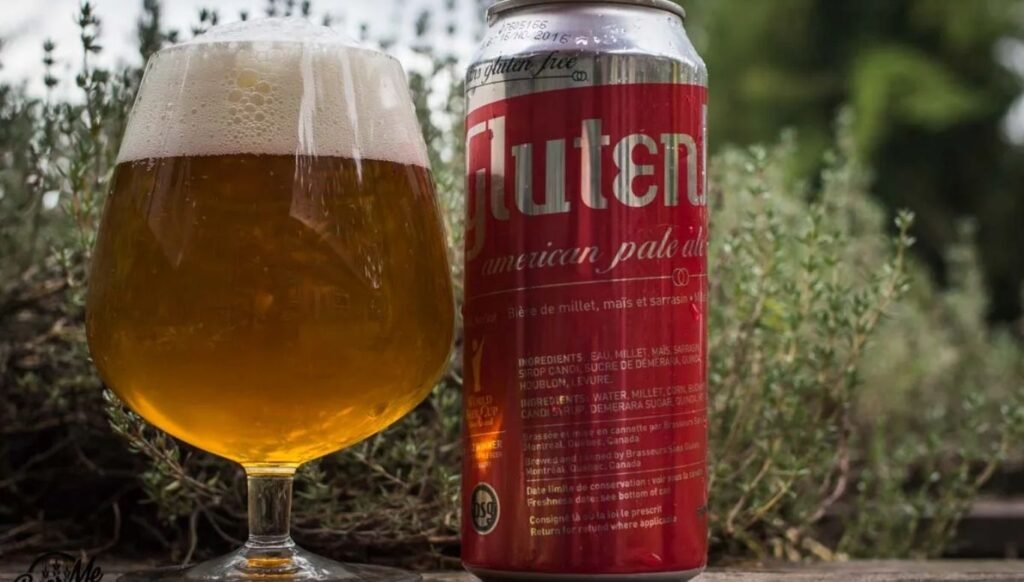
Gluten free beer is beer brewed from grains that never contain gluten, such as sorghum, rice, millet, or buckwheat, instead of barley or wheat. This differs from “gluten removed” beer, which starts with barley and uses an enzyme to break down gluten after brewing.
The distinction matters most for people with celiac disease, since gluten removed beer can still carry trace gluten that standard tests may not detect.
Why Regular Beer Contains Gluten
Most beer starts with barley, wheat, or rye. These grains contain gluten, the protein responsible for beer’s body and head retention.
The brewing process does not fully break down gluten. Fermentation and filtering remove some proteins, but enough gluten remains to trigger a reaction in people with celiac disease.
Gluten Free Beer vs Gluten Removed Beer
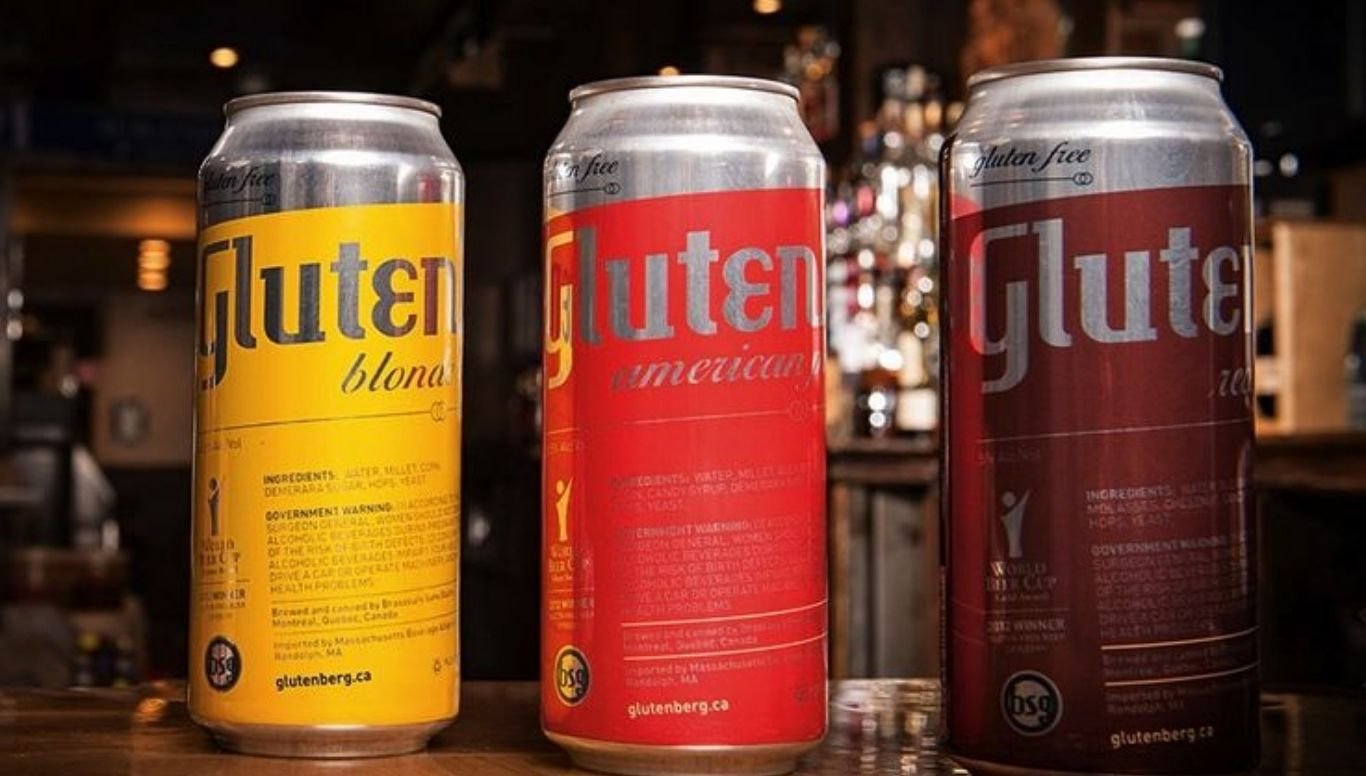
This is the most important distinction for anyone with celiac disease or a gluten sensitivity.
| Factor | Gluten Free Beer | Gluten Removed Beer |
| Base grain | Sorghum, rice, millet, buckwheat | Barley or wheat |
| Gluten protein present | None | Trace amounts may remain |
| Safe for celiac disease | Yes | Not universally recommended |
| Testing method | Standard gluten test works | Standard test may miss remaining gluten fragments |
| Common label term | “Gluten free” | “Gluten reduced” or “crafted to remove gluten” |
Gluten removed beer uses an enzyme, usually Brewers Clarex, to break gluten proteins into smaller fragments. Standard gluten tests measure whole proteins, so they can show a false “gluten free” result even when fragments remain.
How Gluten Free Beer Is Made
Brewers replace barley and wheat with alternative grains at every stage of production.
- Select a gluten free base grain, such as sorghum, rice, millet, or buckwheat.
- Malt the grain to convert starches into fermentable sugars.
- Mash the malted grain with hot water to extract the sugars.
- Boil the liquid with hops for flavor and bitterness.
- Ferment the mixture with yeast to produce alcohol.
- Filter and carbonate the finished beer before packaging.
Sorghum is the most common base grain for gluten free beer because it ferments in a way similar to barley, which helps replicate a familiar beer flavor.
Common Grains Used in Gluten Free Beer
- Sorghum: mild flavor, closest to traditional barley beer
- Rice: light body, used often in lighter beer styles
- Millet: slightly nutty flavor, common in craft gluten free beer
- Buckwheat: despite the name, contains no wheat or gluten, adds a fuller body
- Corn: adds sweetness, used in some gluten free lagers
Is Gluten Free Beer Safe for Celiac Disease?

Beer labeled “gluten free” and brewed entirely from non-gluten grains is safe for people with celiac disease. Beer labeled “gluten reduced” carries more risk, since it starts with a gluten-containing grain.
People with celiac disease should check for a certified gluten free label rather than relying on taste or brand reputation alone. Certification bodies test for gluten levels below 20 parts per million, the threshold most food safety agencies use to define “gluten free.”
Popular Gluten Free Beer Styles
Gluten free brewing now covers most traditional beer styles.
- Pale ale: hoppy and light, brewed with sorghum or rice
- Lager: crisp and clean, often made with rice or corn
- IPA: strong hop bitterness, brewed with sorghum or millet
- Stout: dark and rich, brewed with buckwheat for added body
- Wheat-style beer: made without actual wheat, using rice or sorghum to mimic the texture
Nutritional Value of Gluten Free Beer
A standard 355 ml serving of gluten free beer contains the following average values.
| Nutrient | Amount per Serving |
| Calories | 150-180 kcal |
| Carbohydrates | 12-15 g |
| Alcohol by volume | 4-6% |
| Protein | Less than 1 g |
| Fiber | 0 g |
Gluten free beer often has a slightly higher calorie count than barley-based beer, since sorghum and rice ferment into more residual sugar.
How Gluten Free Beer Tastes Compared to Regular Beer
Gluten free beer has a lighter body and a milder malt flavor than barley-based beer. Sorghum-based beer comes closest to a traditional taste, while rice-based beer tends to taste thinner.
Brewers add extra hops or specialty grains to compensate for the flavor difference. Craft gluten free breweries have improved this gap significantly over the past decade.
How to Choose a Safe Gluten Free Beer
Follow these steps when buying beer for a gluten free diet.
- Look for a certified gluten free label, not just “gluten reduced.”
- Check the ingredient list for barley, wheat, rye, or malt.
- Research the brewery’s dedicated gluten free production process.
- Avoid beers that only state they were “processed to remove gluten.”
- Choose beers tested below 20 parts per million of gluten.
Alternatives to Gluten Free Beer
People who want a break from beer but still avoid gluten have other options.
- Hard cider: made from fermented apples, naturally gluten free
- Hard seltzer: made from fermented sugar, naturally gluten free
- Mead: made from fermented honey, naturally gluten free
- Wine: made from grapes, naturally gluten free
Dedicated Facility vs Shared Equipment
The base grain is not the only factor in gluten free beer safety. Where the beer is brewed also matters.
| Facility Type | Description | Risk Level |
| 100% dedicated gluten free facility | No gluten-containing grain ever enters the building | Lowest risk |
| Shared equipment, gluten free recipe | Brewed on equipment also used for barley beer, cleaned between batches | Moderate risk |
| Standard brewery, gluten reduced process | Uses barley as a base, treated with an enzyme afterward | Highest risk for celiac disease |
Breweries that operate a 100% dedicated gluten free facility carry the lowest cross-contamination risk, since no barley or wheat ever touches their brewing equipment. This detail often matters more to people with celiac disease than the beer’s flavor profile.
Where to Find and Buy Gluten Free Beer
Gluten free beer has moved from specialty shelves into mainstream availability.
- Grocery and liquor stores: most large chains now stock at least one certified gluten free beer brand
- Brewery taprooms: dedicated gluten free breweries often sell fresh stock directly on-site
- Online beer retailers: many breweries ship directly, though shipping laws vary by state or country
- Specialty health food stores: often carry a wider selection of gluten free and allergen-friendly beverages
Checking a brewery’s own website for a gluten free product page, similar to a dedicated collection page, is one of the fastest ways to confirm current stock and certification details before buying.
FAQs
Is all beer made with barley gluten free?
No, beer made with barley always contains gluten, since barley is a gluten-containing grain.
What is the difference between gluten free and gluten reduced beer?
Gluten free beer is brewed without any gluten-containing grain, while gluten reduced beer starts with barley and uses an enzyme to break down the gluten afterward.
Can people with celiac disease drink gluten reduced beer?
Most celiac disease organizations advise against gluten reduced beer, since trace gluten fragments may remain undetected by standard tests.
What grains are used to make gluten free beer?
Brewers commonly use sorghum, rice, millet, buckwheat, or corn to make gluten free beer.
Does gluten free beer taste different from regular beer?
Yes, gluten free beer has a lighter body and milder malt flavor compared to barley-based beer.
Is gluten free beer lower in calories?
No, gluten free beer often has a similar or slightly higher calorie count than regular beer due to residual sugar from alternative grains.
How can I confirm a beer is truly gluten free?
Check for a certified gluten free label from a recognized testing body rather than relying on marketing terms alone.
Conclusion
Gluten free beer gives people with celiac disease or gluten sensitivity a way to enjoy beer without the risk barley-based options carry. The key distinction to remember is gluten free versus gluten reduced, since only the first guarantees a base grain free of gluten from the start.
Sorghum, rice, millet, and buckwheat now support most traditional beer styles, from pale ale to stout. Checking for a certified gluten free label remains the safest way to confirm a beer fits a gluten free diet.