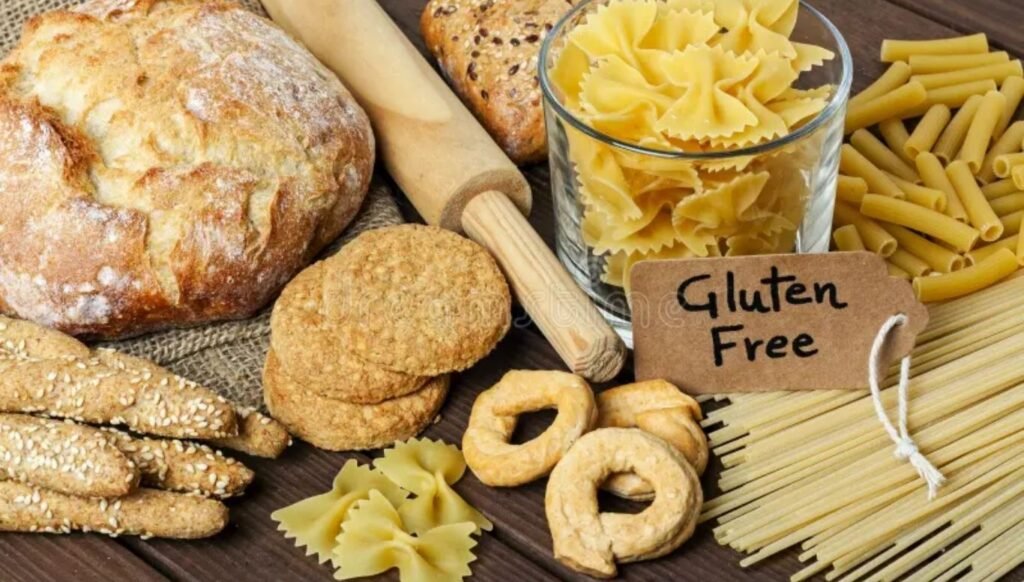
The fastest way to find gluten free food near me is through a dedicated app like Find Me Gluten Free, or by filtering for “gluten-free” on Google Maps and Yelp. These tools rely on reviews from people with celiac disease and gluten sensitivity, which gives a more accurate picture than a restaurant’s own menu description.
Finding a restaurant that lists gluten free items is only the first step. Confirming the kitchen handles those items safely takes a few extra questions and some knowledge of common hidden gluten sources.
Best Apps and Tools to Find Gluten Free Food
Several tools specialize in locating verified gluten free options nearby.
| Tool | Best For |
| Find Me Gluten Free | Restaurant reviews written specifically by celiac and gluten-free diners |
| Google Maps | Filtering search results with the term “gluten-free” plus your location |
| Yelp | General reviews with a gluten-free restaurant filter option |
| AllergyEats | Restaurant ratings focused on food allergies and cross-contamination |
| HappyCow | Best for combining gluten-free with vegetarian or vegan filters |
Find Me Gluten Free stands out because reviewers rate restaurants specifically on gluten-free safety, not just food quality, which matters more for people with celiac disease than general star ratings.
How to Search for Gluten Free Food Near You

Follow these steps to get the most accurate local results.
- Open Google Maps or a dedicated app and search “gluten free restaurants near me.”
- Filter results by rating and read the most recent reviews first, since menus and kitchen practices change often.
- Check for mentions of a dedicated gluten-free menu or dedicated fryer.
- Call the restaurant directly to confirm current gluten-free offerings before visiting.
- Ask about cross-contamination practices if you have celiac disease rather than a mild sensitivity.
Questions to Ask Restaurant Staff
Asking the right questions reduces the risk of an unsafe meal, especially for people with celiac disease.
- Does the kitchen use a separate fryer or grill for gluten-free items?
- Are gluten-free dishes prepared on a separate cutting board and surface?
- Does the sauce or marinade contain soy sauce, flour, or malt?
- Is the gluten-free menu reviewed and updated regularly?
- Can the chef confirm which specific dishes are safest for celiac disease?
Staff members who answer these questions confidently and specifically are more likely to run a kitchen that takes gluten-free requests seriously.
Cuisines That Are Naturally More Gluten Free Friendly
Some cuisines rely less on wheat-based ingredients, which makes them easier to navigate for a gluten-free diet.
- Mexican food: corn tortillas, rice, and beans form the base of many dishes
- Thai food: rice noodles and rice replace wheat in most staple dishes
- Indian food: many curries use rice, lentils, and gluten-free flatbreads like dosa
- Japanese food: sushi rice and sashimi are naturally gluten free, though soy sauce is not
- Brazilian steakhouses: grilled meat is naturally gluten free when served without sauce
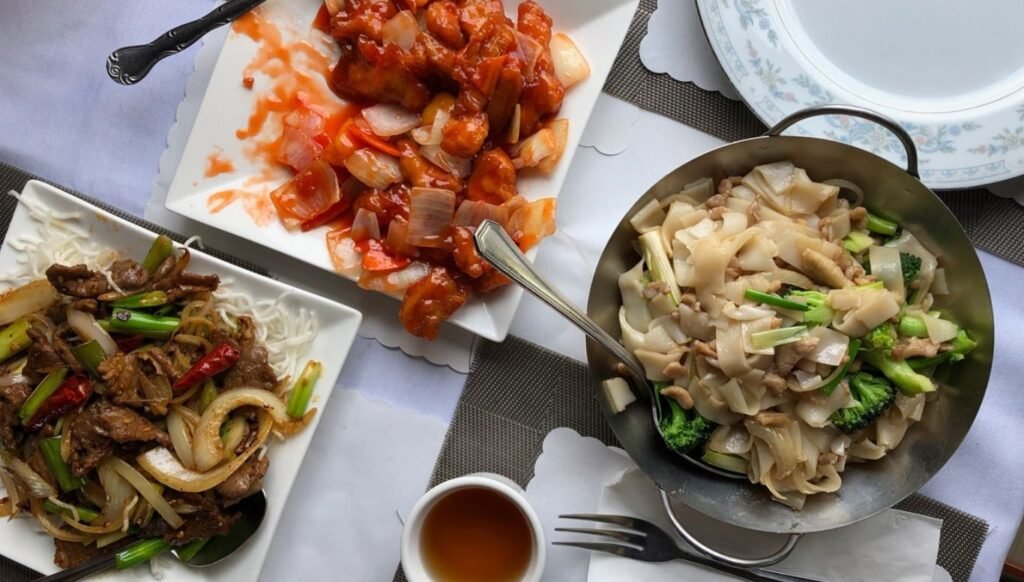
Cuisines built around wheat noodles, bread, or soy sauce, such as traditional Chinese and Italian food, require more careful questions before ordering.
Common Hidden Sources of Gluten in Restaurant Food
Gluten hides in ingredients that do not sound like wheat products.
- Soy sauce: made with wheat unless labeled tamari or gluten-free
- Thickened sauces and gravies: often use wheat flour as a thickener
- Marinades: some contain soy sauce or malt vinegar
- Fried foods: shared fryer oil with breaded items can cause cross-contamination
- Soup bases: some broths use flour or barley malt for flavor
Grocery and Fast Casual Chains with Gluten Free Options
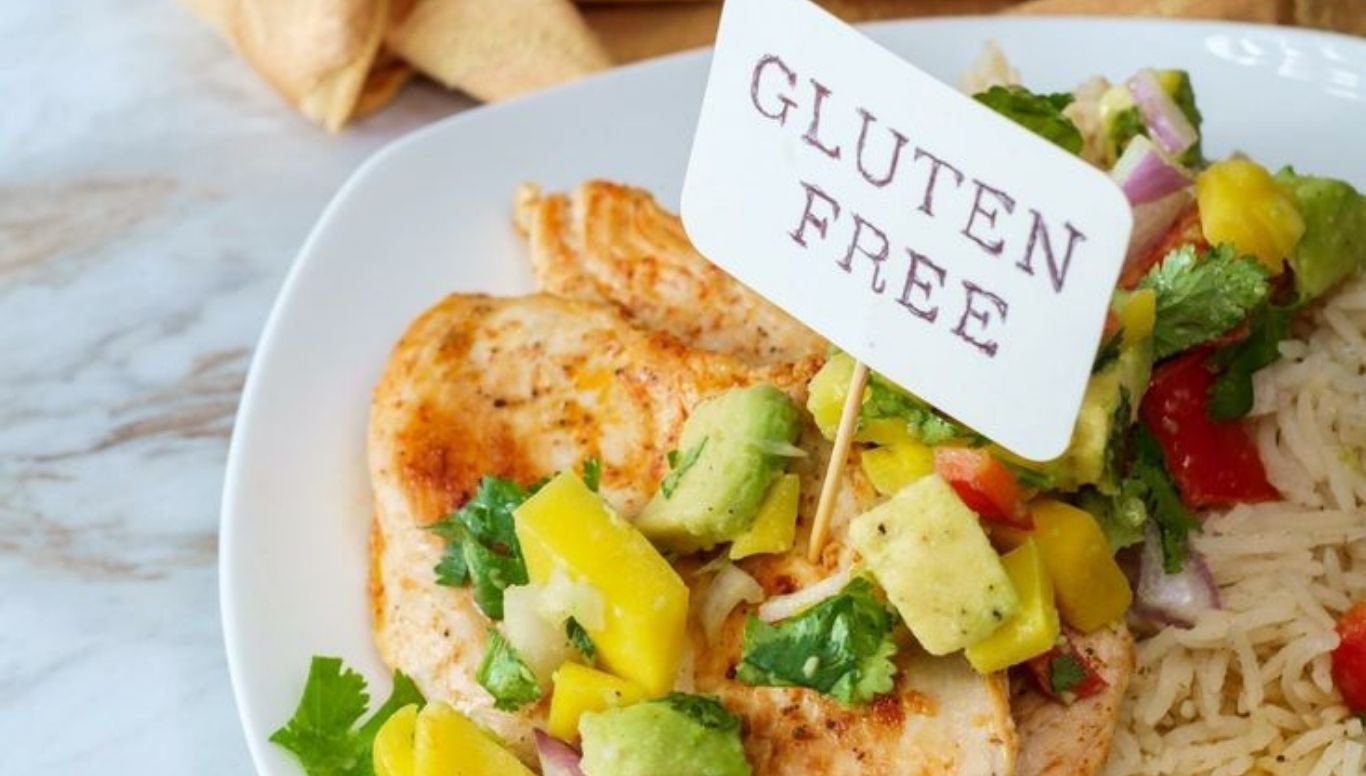
Several national chains now offer clearly labeled gluten-free items on their standard menu, which makes finding a quick meal easier while traveling or on a tight schedule.
| Chain Type | What to Look For |
| Fast casual bowls (rice or salad based) | Gluten-free protein and rice options, avoiding croutons or breaded items |
| Burger chains | Lettuce wrap substitutions and gluten-free bun options where available |
| Pizza chains | Dedicated gluten-free crust, though shared ovens may still pose a cross-contamination risk |
| Sandwich chains | Gluten-free bread options, prepared separately from standard bread in some locations |
| Grocery store delis | Pre-packaged gluten-free meals with clear allergen labeling |
Checking each chain’s allergen menu online before visiting confirms which locations currently offer gluten-free preparation, since availability can vary by franchise location.
Signs a Restaurant Takes Gluten-Free Requests Seriously
A few practical signs point to a kitchen that handles gluten-free orders with care.
- Staff can answer specific questions about ingredients without hesitation
- The menu clearly separates gluten-free items rather than relying on a generic disclaimer
- Reviews mention consistent, positive experiences from celiac diners over time
- The kitchen offers a dedicated fryer or separate prep area for allergen requests
- The restaurant updates its gluten-free menu when recipes or suppliers change
Tips for Traveling with a Gluten Free Diet
Traveling adds extra uncertainty to finding safe gluten-free food, since local cuisine and labeling laws vary by country.
- Research gluten-free restaurant options in your destination before departure.
- Pack a few gluten-free snacks for flights, layovers, or areas with limited options.
- Learn the local language phrase for “gluten-free” or “celiac disease” if traveling abroad.
- Use translation cards that explain celiac disease dietary needs to kitchen staff.
- Confirm hotel breakfast options in advance, since buffet items carry a higher cross-contamination risk.
FAQs
What is the best app to find gluten free restaurants near me?
Find Me Gluten Free is widely used because it collects reviews specifically focused on gluten-free safety rather than general food quality.
How do I know if a restaurant is safe for celiac disease?
Ask whether the kitchen uses separate cooking surfaces and fryers for gluten-free dishes, since shared equipment is the most common cause of cross-contamination.
Is Mexican food usually gluten free?
Yes, many Mexican dishes use corn tortillas, rice, and beans, which are naturally gluten free, though flour tortillas and some sauces are not.
Can I trust a restaurant’s gluten-free menu label?
A gluten-free label indicates the recipe avoids gluten ingredients, but it does not always guarantee protection against cross-contamination in the kitchen.
What should I avoid ordering if I have celiac disease?
Avoid fried foods from a shared fryer, thickened sauces, and any dish with an unclear ingredient list unless the staff confirms it is celiac-safe.
Are fast food chains a safe option for gluten-free eating?
Some fast food chains offer gluten-free items, but cross-contamination risk is higher due to shared prep areas, so checking the allergen menu in advance helps.
How often do gluten-free menus change at restaurants?
Gluten-free menus can change frequently based on ingredient availability, so checking recent reviews or calling ahead confirms current offerings.
Conclusion
Finding gluten free food near you comes down to using the right tools and asking the right questions. Apps like Find Me Gluten Free narrow down verified options, while a few direct questions to restaurant staff confirm whether a kitchen handles gluten-free requests safely.
Cuisines built around rice and corn, such as Mexican and Thai food, tend to offer more naturally gluten-free choices, while dishes with soy sauce, gravies, or shared fryers require extra caution.