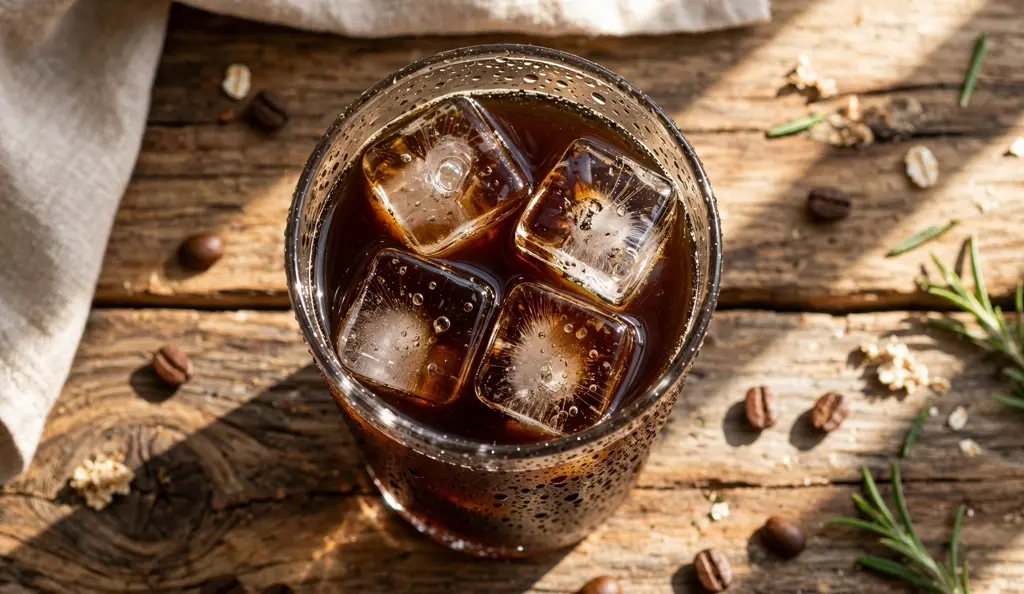
October 2026 is the perfect month to learn how to make cold brew coffee at home. It costs about one-tenth of a coffee shop cup, tastes smoother, and yes, it is naturally gluten free. If you have a jar, water, and coffee grounds, you can have your first batch ready tomorrow morning.
This guide answers the two questions gluten-free readers ask most: is cold brew coffee gluten free, and how do you make cold brew coffee at home yourself? You will get a complete 5-step recipe, the exact coffee-to-water ratio, storage rules, five common mistakes to avoid, and safe ways to flavor it. By the end, you can brew a full batch without searching for anything else.
Is Cold Brew Coffee Gluten Free?
Yes. Plain cold brew coffee is naturally gluten free. Coffee beans are the seeds of the coffee cherry, and they have nothing to do with wheat, barley, or rye. The Celiac Disease Foundation includes plain coffee on its list of naturally gluten-free foods, and the Mayo Clinic says the same about coffee and tea.
But three words matter here, and mixing them up is where people get hurt. “Naturally gluten free” means the plain ingredient itself contains no gluten. “Labeled gluten free” means a product passed the FDA rule: under 20 parts per million of gluten, set in August 2013. “Certified gluten free” means a third party, like the Gluten-Free Certification Organization, tested it too. Plain beans at home are naturally gluten free. A flavored bottle from the store must be labeled or certified before you trust it.
The real risk is what goes into the cup after brewing. Flavored syrups can contain barley malt. Cold foam and whipped toppings are sometimes made in blenders also used for cookie drinks. At coffee shops, cross-contact happens fast. If you have celiac disease or feel sensitive, make it at home with plain beans. That is the safest cup you can drink. As with any food, check the current label on anything you buy, because recipes change. If you are unsure how coffee affects you, check with your doctor or a registered dietitian.
For a bigger picture of which foods are safe, see our guide to gluten-free foods and snacks and what is truly safe.
How to Make Cold Brew Coffee at Home in 5 Steps
Hands-on time is 10 minutes. The fridge does the rest while you sleep. Follow these steps exactly and your first batch will taste like a coffee shop batch, minus the coffee shop price. Once you know how to make cold brew coffee at home, you can repeat this batch every week with almost no effort.
What You Need
Cold brew needs less gear than any other coffee method. You probably own everything already. Here is the full list.
- 1 cup (about 80 grams) of coarsely ground coffee, medium or dark roast
- 4 cups (946 ml) of cold, filtered water
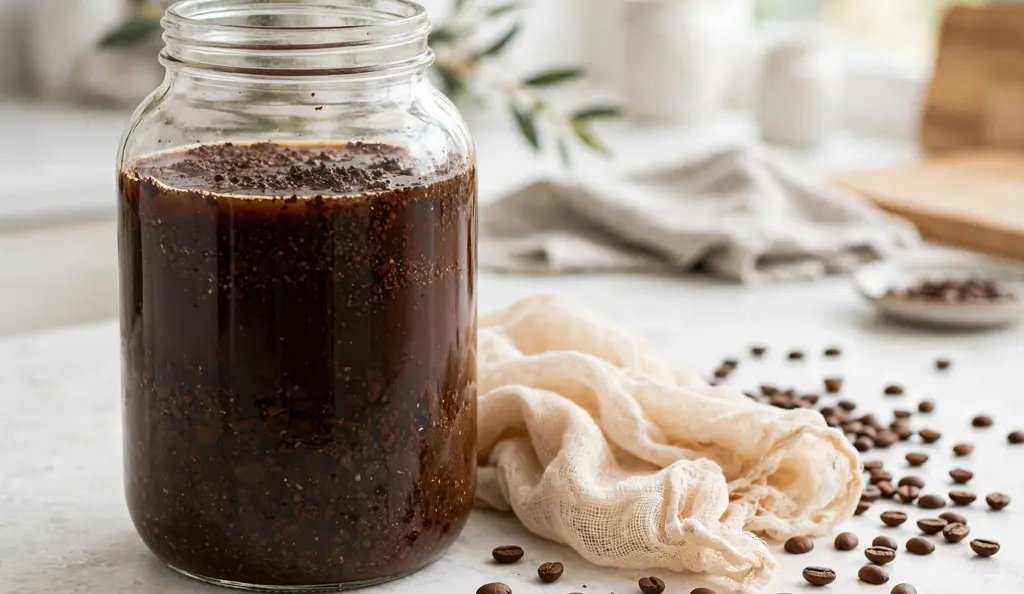
- A large mason jar, pitcher, or any big container with a lid
- A fine-mesh sieve plus a paper coffee filter, cheesecloth, or a clean cotton cloth
- A second jar or bottle with a lid for storing the finished brew
That makes roughly 3 cups of strong concentrate, enough for 6 to 8 glasses of finished cold brew. Scale it up or down with the same ratio and it works the same.
Fresh beans beat pre-ground coffee, but pre-ground is fine if it is coarse. If you buy ground coffee, look for a coarse grind setting at the store grinder. The grains should look like raw sugar or sea salt. Fine powder turns bitter during a long steep, so avoid it.
The 5 Steps
- Grind coarse. Set your grinder to its coarsest setting and grind right before you brew. You want pieces the size of breadcrumbs or sea salt, not powder. If you are using pre-ground coffee, measure 1 cup of coarse grounds.
- Combine and stir. Add the grounds to your jar and pour in the cold water. Stir gently for about 30 seconds so every ground is wet. Do not skip this. Dry pockets on top stay under-extracted and make the cup taste uneven.
- Steep for 12 to 18 hours. Cover the jar and put it in the fridge. Twelve hours gives a lighter, sweeter cup. Eighteen gives a bolder, stronger one. Room temperature works too, but the fridge gives a cleaner taste. Set a timer so you do not forget it for a day too long.
- Strain twice. Pour the brew through the fine-mesh sieve into a bowl to catch the big grounds. Then strain it again through the paper filter or cloth into your storage jar. Do not press the grounds. Pressing pushes bitter sediment through. The second strain is the secret to a silky, clear cold brew.
- Dilute and serve. This is a concentrate, not ready-to-drink coffee. Fill a glass with ice, pour half cold brew and half cold water or milk, and taste. Adjust the mix to your liking. Store the rest in the fridge in a sealed jar.
5 Mistakes That Ruin Cold Brew Coffee
Most bad homemade cold brew comes from one of five errors. All are easy to fix.
- Grinding too fine. Powdered coffee over-extracts in a long steep and turns bitter and cloudy. Use the coarsest setting or buy coarse-ground beans.
- Steeping too long. Past 20 hours, woody and harsh flavors creep in. Set a phone timer for 14 hours as a safe middle ground for your first batch.
- Skipping the second strain. Fine sediment keeps extracting in the fridge and makes each glass taste more bitter than the last. Strain twice, every time.
- Using warm tap water. Hot water starts a different extraction and dulls the smoothness. Use cold, filtered water for the cleanest cup.
- Drinking the concentrate straight. A 1 : 4 concentrate is about twice as strong as normal coffee. Dilute it, or your stomach will notice before your taste buds do.
The Golden Ratio: Coffee to Water
The ratio decides everything about strength. Most home recipes use 1 part coffee to 4 parts water by volume for a concentrate you dilute later. Starbucks uses a similar approach at home: 4 tablespoons (about 22 grams) of coarse coffee per 6 ounces of water. Pick the style below that fits how you drink it.
| Style | Ratio (coffee : water) | Steep time | How to serve |
|---|---|---|---|
| Strong concentrate | 1 : 4 | 12 to 18 hours | Half brew, half water or milk |
| Ready to drink | 1 : 6 to 1 : 8 | 12 to 16 hours | Pour over ice, no dilution |
| French press method | 1 : 8 | 12 to 24 hours | Press, then dilute 1 : 1 |
If you are learning how to make cold brew coffee at home, start with the 1 : 4 concentrate. It takes less fridge space and gives you control at the glass. If the cup tastes bitter, your grind was too fine or you steeped too long. If it tastes weak, steep 2 hours longer next time.
What is the best coffee-to-water ratio for cold brew?
A 1 to 4 ratio of coarse ground coffee to cold water makes the best cold brew concentrate for most people. Use 1 cup of coarse coffee to 4 cups of water, steep 12 to 18 hours in the fridge, then dilute half and half with water or milk. This ratio gives a strong but smooth brew.
Why Home-Brewed Cold Brew Is the Safest Gluten-Free Choice
Here is the angle no coffee blog talks about. Plain cold brew is naturally gluten free, but the drink coffee shops hand you often is not plain. The danger hides in the extras, and a busy barista will never warn you about them.
Flavored syrups are the first trap. Many vanilla, caramel, and seasonal syrups are safe, but some contain barley malt or natural flavors with gluten. Malt comes from barley, and it is not gluten free. The second trap is cold foam and whipped toppings. Cafes make these in blenders that also blend cookie crumble drinks. Rinsing between drinks does not remove all residue. The third trap is blended frozen coffee drinks. Once cookies, cake pieces, or malt powder go into a blender, everything that blender touches afterward is a cross-contact risk for someone with celiac disease.
Celiac.com reported in February 2022 that plain brewed coffee, including cold brew, stays gluten free as long as nothing containing gluten is added. That is the biggest reason to learn how to make cold brew coffee at home. When you brew at home, you control every ingredient. Nothing containing gluten ever enters your jar. Use this ordering script at shops: “Just black cold brew with ice, please. No syrup, no foam, rinsed pitcher if you have one.” Short, friendly, and it removes the three biggest risks.
How to Store Cold Brew and How Long It Lasts
Cold brew concentrate stays fresh for 7 to 10 days in the fridge in a sealed jar or bottle. Drink it within the first week for the best flavor. It starts tasting flat after that, even if it is still safe. Do not believe claims that it lasts a month. Low acidity slows spoilage, but it does not stop it.
If you dilute a whole batch at once (ready-to-drink style), drink it within 3 to 5 days. Extra water means faster staling. Freeze leftover concentrate in ice cube trays for up to 3 months. Cold brew ice cubes are perfect for iced drinks because they do not water down the flavor as they melt.

Knowing how to make cold brew coffee at home also means knowing how to store it right. Keep these rules: always use a clean, sealed container. Never pour unused coffee back into the jar. Smell before you sip if it is past a week old. Sour or fizzy means it is done. Trust your nose.
How long does homemade cold brew last in the fridge?
Homemade cold brew concentrate lasts 7 to 10 days in the fridge when kept in a sealed container. It tastes best within the first week. Ready-to-drink diluted cold brew lasts 3 to 5 days. Freeze concentrate in ice cube trays for up to 3 months. Discard any batch that smells sour or looks cloudy.
Cold Brew vs Iced Coffee vs Hot Coffee
These three are not the same drink, and the science backs it up. Iced coffee is hot coffee poured over ice. Cold brew is never heated. That one difference changes the flavor and the chemistry.
A study in Scientific Reports in October 2018 by Niny Z. Rao at Thomas Jefferson University tested both methods on the same beans. The pH of hot and cold brews was similar, between 4.85 and 5.13. But hot coffee had far higher titratable acidity, meaning it pulled more harsh acidic compounds out of the grounds. Cold water extracts slowly and leaves many of those compounds behind.
A University of California, Davis sensory study with Toddy LLC in 2021 backed up the taste side. Trained tasters described cold brew as more floral and less bitter, sour, and rubbery than hot brew. That is why cold brew tastes naturally sweeter even with no sugar. If hot coffee upsets your stomach or tastes too sharp, learning how to make cold brew coffee at home is the fix. On hot days it also beats iced coffee, because it never dilutes into a watery cup.
Prefer a hot drink sometimes? Our gluten free hot toddy recipe is another cozy drink option for cold evenings.
6 Gluten-Free Ways to Flavor Your Cold Brew
Once you know how to make cold brew coffee at home, flavoring the batch is the fun part. Every idea below is naturally gluten free as long as you check labels on packaged add-ins. These ideas were re-checked for gluten safety in October 2026.
- Cinnamon cold brew. Drop a cinnamon stick into the jar while it steeps. It adds warm spice with zero sugar.
- Vanilla cold brew. Stir half a teaspoon of pure vanilla extract into your glass. Read the label, because imitation vanilla with “natural flavors” is usually fine, but always verify.
- Mocha cold brew. Mix in a spoonful of melted dark chocolate or a homemade chocolate syrup. Our guide to how to melt chocolate keeps it smooth and seize-free.
- Sweet cream cold brew. Shake 3 tablespoons of heavy cream with 1 tablespoon of sugar and a drop of vanilla, then pour it over the top. This is the cafe trick, done better at home.
- Cold foam cold brew. Froth cold milk or cream and spoon it over the brew. Use our how to make whipped cream method for perfect soft peaks.
- Coconut cold brew. Replace the dilution water with chilled coconut milk for a dairy-free creamy cup.
Safe gluten-free syrups to buy
If you buy flavored syrups, pick ones that are labeled gluten free and have short ingredient lists. Avoid any syrup listing barley malt, malt flavoring, or wheat in its ingredients. When a label is unclear, skip it. Plain sugar, honey, and maple syrup are always safe sweeteners for cold brew.
Frequently Asked Questions
Is cold brew coffee gluten free?
Yes. Plain cold brew made from coffee beans and water is naturally gluten free. The risk comes from flavored syrups, cold foam, and coffee shop cross-contact. Home-brewed plain cold brew is the safest option for people with celiac disease.
How long does it take to make cold brew coffee at home?
The hands-on work takes about 10 minutes. The coffee needs 12 to 18 hours to steep in the fridge. Plan ahead and start your batch the night before you want to drink it.
Can I make cold brew without a grinder?
Yes. Buy coarsely ground coffee beans or ask your coffee shop to grind beans on the coarsest setting. Avoid fine espresso grind, because it makes cold brew bitter and cloudy.
What is the difference between cold brew and iced coffee?
Cold brew steeps in cold water for 12 to 18 hours and is never heated. Iced coffee is brewed hot and poured over ice. Cold brew tastes smoother, sweeter, and less acidic than iced coffee.
Is cold brew stronger than regular coffee?
Cold brew concentrate is stronger, often about twice as strong per ounce. That is why you dilute it half and half with water or milk. Once diluted, a glass has a similar caffeine level to a regular cup.
Can I heat up cold brew?
Yes. Mix the concentrate with hot water in a 1 : 1 ratio for a smooth hot coffee. The gentle cold-steeped flavors survive heating well because there are no leftover grounds in the mix.
Why does my cold brew taste bitter?
The most common cause is grinding too fine, followed by steeping past 20 hours. Use a coarse grind, steep 12 to 18 hours, and strain twice. Also make sure you dilute the concentrate before drinking.
Can I use tap water for cold brew?
Filtered water tastes cleaner, but plain cold tap water works if yours tastes good. Never use warm or hot water, because it changes the extraction and dulls the smooth flavor cold brew is known for.
Does cold brew have less acid than hot coffee?
Cold brew extracts fewer harsh acidic compounds than hot coffee, even though the pH looks similar. A 2018 study in Scientific Reports found hot coffee had much higher titratable acidity from the same beans. Most people with sensitive stomachs find cold brew easier to drink.
Can I make cold brew in a French press?
Yes. Add coarse grounds and cold water to the press, steep 12 to 24 hours, then press the plunger down slowly. Pour it through a paper filter afterward for a cleaner cup, since the steel filter lets fine sediment through.
How much caffeine is in cold brew?
Caffeine depends on your ratio and dilution. A typical 12-ounce glass of diluted cold brew has roughly 150 to 200 milligrams of caffeine, similar to or slightly more than a regular coffee. The concentrate alone is much stronger, so always dilute it.
What is the easiest way to learn how to make cold brew coffee at home?
The 1 : 4 mason jar recipe in this guide is the easiest way to learn how to make cold brew coffee at home. Combine 1 cup of coarse coffee with 4 cups of cold water, steep 12 to 18 hours in the fridge, strain twice, and dilute half and half with water or milk.
Is instant coffee okay for cold brew?
No. Instant coffee dissolves instead of steeping, so you cannot make true cold brew with it. Cold brew needs real ground coffee steeping slowly in cold water for hours.
Can I reuse cold brew grounds?
No. The grounds are spent after one steep and give almost no flavor the second time. Compost them or use them in the garden instead of brewing them again.
Final Takeaways
Now you know how to make cold brew coffee at home the safe, cheap, gluten-free way: coarse coffee, cold water, 12 to 18 hours in the fridge, strain twice, and dilute half and half. Plain cold brew is naturally gluten free, and brewing it yourself removes the hidden gluten risks of coffee shop syrups and shared blenders. Start your first batch this October 2026 weekend, and you will wake up to a smoother, cheaper, safer cup than anything from a drive-through.
If you found this guide useful, you now know everything about the gluten-free diet basics for coffee drinkers too. Happy brewing.