Traditional Honduran Food: 13 Gluten-Free Dishes & Recipes
Is traditional Honduran food gluten-free? Most of it is. Nacatamales, tapado, tajadas, sopa de caracol, and casamiento are naturally gluten-free, built on corn, plantains, yuca, beans, and coconut milk. The big exception is the baleada, the national dish, which uses a wheat flour tortilla. This guide covers 13 traditional Honduran food dishes with recipes and shows you how to enjoy them gluten-free.
Traditional Honduran food deserves more attention than it gets. It is a warm and filling cuisine shaped by Lenca, Spanish, African, and Caribbean cooks. Corn, beans, plantains, and coconut milk do most of the work, which is good news if you eat gluten-free.
In this guide you will learn the 13 most loved traditional Honduran food dishes, from baleadas to sopa de caracol. Each dish comes with ingredients and numbered steps you can cook tonight. You will also get a clear gluten-free verdict for every dish, simple swaps for the few risky ingredients, and tips for eating out safely. First, the gluten-free verdict on the whole cuisine.
Is Traditional Honduran Food Gluten-Free?
Yes, with one famous exception. As of October 2026, traditional Honduran food remains one of the most naturally gluten-free cuisines in Latin America. Corn is the staple grain, not wheat. Plantains, yuca (cassava), beans, rice, coconut milk, and fresh vegetables fill out the rest of the plate. None of these contain gluten.
The exception is the baleada. It uses a wheat flour tortilla, so the classic version is not gluten-free. The fix is simple: swap in corn tortillas. Everything else in a baleada (beans, crema, cheese) is already gluten-free.
Here is the dish-by-dish verdict for all 13 dishes in this guide:
| Dish | Gluten-Free? | Why | Safe Swap or Tip |
|---|---|---|---|
| Baleadas | No | Wheat flour tortilla | Use corn tortillas or certified gluten-free flour tortillas |
| Nacatamales | Yes | Corn masa steamed in banana leaf | Check bouillon or broth for wheat |
| Tapado Costeño | Yes | Coconut milk, seafood, plantain, yuca | Use plain spices, not blends with fillers |
| Tajadas | Yes | Just plantains, oil, and salt | Fry in clean oil, not shared with breaded foods |
| Sopa de Caracol | Yes | Conch, coconut milk, plantain, potato | Check fish broth and bouillon labels |
| Pollo con Tajadas | Yes, with care | Chicken, plantains, cabbage slaw | Fry chicken in clean oil; use plain seasonings |
| Casamiento | Yes | Just rice and beans | Use plain rice, not seasoned rice mixes |
| Montucas | Yes | Fresh sweet corn and pork | No swap needed |
| Yuca con Chicharrón | Yes | Boiled yuca, fried pork, cabbage slaw | Fry pork in clean oil |
| Anafre | Yes, with care | Refried beans and melted cheese | Serve with corn chips, not wheat crackers |
| Catrachas | Yes | Corn tortillas, beans, cheese | Fry tortillas in clean oil |
| Atol de Elote | Yes | Fresh corn, milk, cinnamon, sugar | No swap needed |
| Horchata (Honduran) | Yes | Morro seeds, sesame, rice, cinnamon | No swap needed |
A note on safety: “naturally gluten-free” means the ingredients contain no gluten. It does not guarantee a restaurant kitchen kept them safe. Shared fryers are the biggest risk. If a kitchen fries tajadas in the same oil as breaded chicken, the plantains pick up gluten. Wheat-based seasonings are the second risk. Some bouillon cubes, chorizo brands, and spice blends use wheat as a filler. The FDA defines “gluten-free” on a food label as less than 20 parts per million of gluten, under a rule issued in August 2013. At home you control every ingredient, so home cooking is the safest path. If you have celiac disease, check with your doctor or a registered dietitian about eating out.
How to Make Baleadas Gluten-Free
You have two good options. The easiest is corn tortillas: warm them, fill with beans, crema, and cheese, and fold. For the closest match to the classic, make your own with our gluten-free tortillas that fold without cracking. If you buy corn tortillas at the store, read our guide on whether corn tortillas are gluten-free first, because some brands mix in wheat flour.
Corn Tortillas or Gluten-Free Flour Tortillas?
Corn tortillas are the traditional Honduran answer for most dishes, and they work well for baleadas too. Certified gluten-free flour tortillas taste closer to the wheat original but cost more and tear faster. Either way, check the label every time you buy.
What Is the National Dish of Honduras?
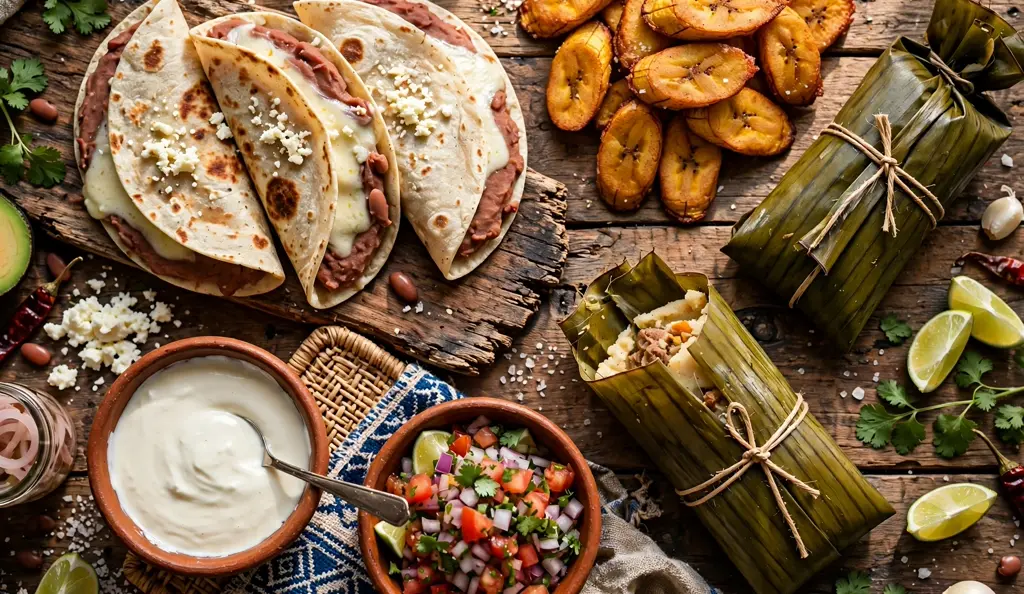
The baleada is the dish most often called the national dish of Honduras. It is a thick wheat flour tortilla folded around refried red beans, crema, and crumbled hard cheese. Street vendors sell it across the country at every hour of the day. Nacatamales run a close second, especially at Christmas, when families make them in large batches.
The baleada was born in the northern city of La Ceiba in the mid-1900s. A street vendor started selling the folded tortilla near the Tela Railroad Company, and workers lined up for the cheap, filling meal. Today you can order a baleada sencilla (just beans, crema, and cheese) or a baleada mixta loaded with eggs, avocado, or chicken.
Traditional Honduran Food by Region
Honduras has four culinary regions, and each one cooks differently. The two coastlines add seafood and coconut. The interior leans on corn, beef, and beans.
North Coast (Caribbean)
Coconut milk, seafood, and Garifuna influence define this region. The Garifuna are an Afro-Indigenous Caribbean people who preserved cassava and coconut cooking on the north coast. UNESCO proclaimed Garifuna language, dance, and music a Masterpiece of the Oral and Intangible Heritage of Humanity in 2001. Signature dishes here include tapado costeño, sopa de caracol, and machuca (mashed plantain served with seafood).
Central Honduras
The Tegucigalpa area favors corn dishes such as montucas and nacatamales. Beef and pork stews appear often. This is the heartland of the tamale tradition.
Olancho
Olancho is the largest department in Honduras by area. Cattle ranching makes beef, yuca, and chicharrón (fried pork) common. Tapado olanchano, the meaty inland version of tapado, originates here.
Pacific South (Gulf of Fonseca)
Seafood and shrimp dominate the Pacific coast. Cooks serve them simply, with lime and pickled onions.
Tapado Olanchano vs Tapado Costeño
Tapado means “covered” in Spanish. Cooks layer meat, plantains, and yuca in a pot and cover it with plantain peels while it simmers. That cover gives the dish its name.
Researchers at the Universidad Tecnológica Centroamericana (UNITEC) in Tegucigalpa classified tapado into four types in a 2024 poster: olanchano, costeño, de mariscos, and criollo. Their poster states that tapado olanchano should not contain coconut milk, while tapado costeño must. Published recipes from Honduran newspapers differ on this point, so expect variation.
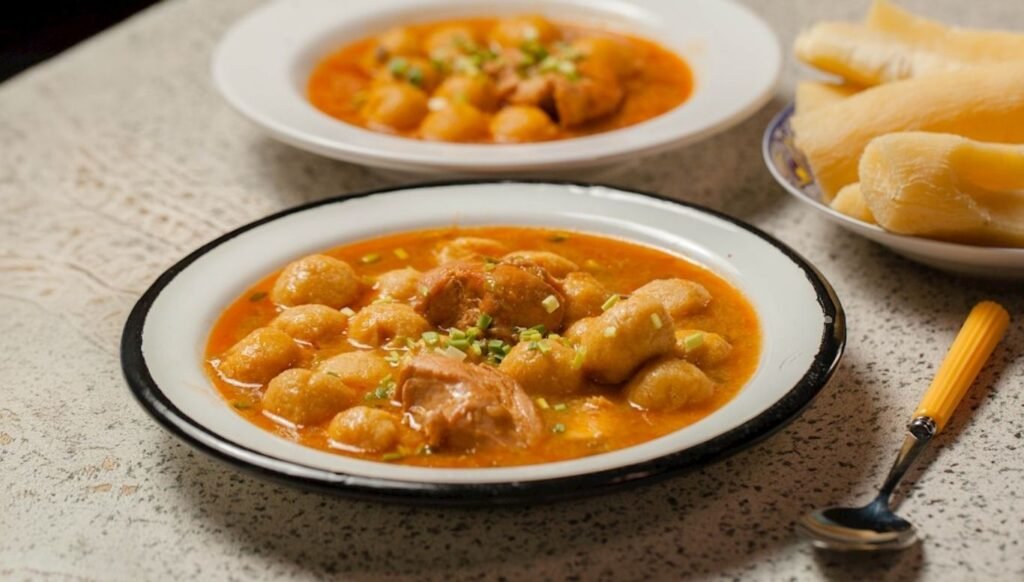
In practice, tapado olanchano centers on dried salted beef, pork ribs, chorizo, plantain, and yuca. No coconut milk. Tapado costeño comes from the Caribbean coast and always includes coconut milk, often with shrimp, fish, or conch. Both are naturally gluten-free. For the olanchano version, check the chorizo: some brands use wheat-based fillers.
13 Traditional Honduran Food Recipes With Easy Steps
Each recipe below lists ingredients and numbered steps. Dishes marked Easy need only basic equipment. A short gluten-free note follows each recipe where it matters.
1. Baleadas
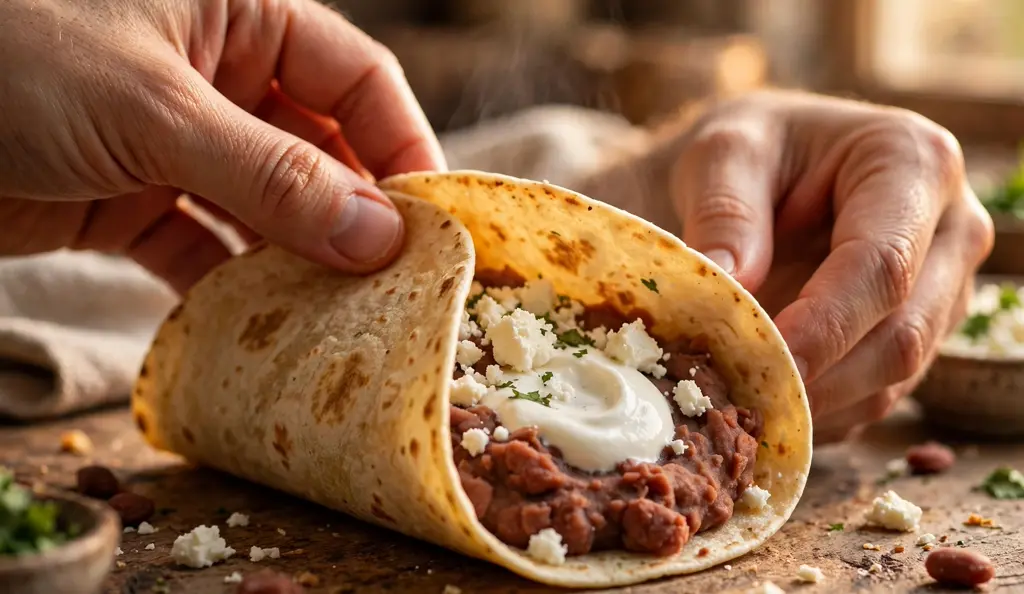
Baleadas are the most widely sold Honduran street food. A soft tortilla holds warm beans, crema, and cheese.
Ingredients: 2 cups flour, 1 tsp baking powder, 1/2 tsp salt, 2 tbsp butter or lard, 3/4 cup warm water, 1 cup refried red beans, 1/4 cup crema or sour cream, 1/4 cup crumbled queso duro or feta.
- Mix the flour, baking powder, salt, and butter.
- Add warm water gradually until a soft dough forms.
- Knead for 5 minutes. Divide the dough into 6 balls.
- Roll each ball into a thick, round tortilla.
- Cook each tortilla in a dry skillet for 2 minutes per side.
- Spread warm beans on each tortilla. Add crema and cheese. Fold in half.
Gluten-free note: The classic baleada is NOT gluten-free because of the wheat flour tortilla. For a gluten-free version, replace the flour tortillas with corn tortillas and keep everything else the same. See the baleada swap section above.
Baleada Variations
- Baleada mixta: add scrambled eggs.
- Heartier baleada: add shredded chicken, avocado, or chorizo.
- Breakfast baleada: top with a fried egg.
2. Nacatamales
Nacatamales are large corn tamales with a rich masa and a generous filling. Families prepare big batches at Christmas.
Ingredients: 4 cups masa (corn dough), 1 cup chicken broth, 1/2 cup lard or oil, 1 lb pork in chunks, 1 diced potato, 1/2 cup uncooked rice, 1 sliced bell pepper, 8 pitted olives, banana leaves.
- Mix the masa, broth, and lard until smooth and slightly loose.
- Season the pork with salt and pepper.
- Spread a portion of masa on a banana leaf.
- Add pork, potato, rice, pepper, and olives.
- Fold the leaf tightly into a packet.
- Steam for 2 hours until the masa is firm.
Gluten-free note: Naturally gluten-free. Use a broth or bouillon you trust, since some bouillon cubes contain wheat.
3. Tapado Costeño (Coastal Seafood Tapado)
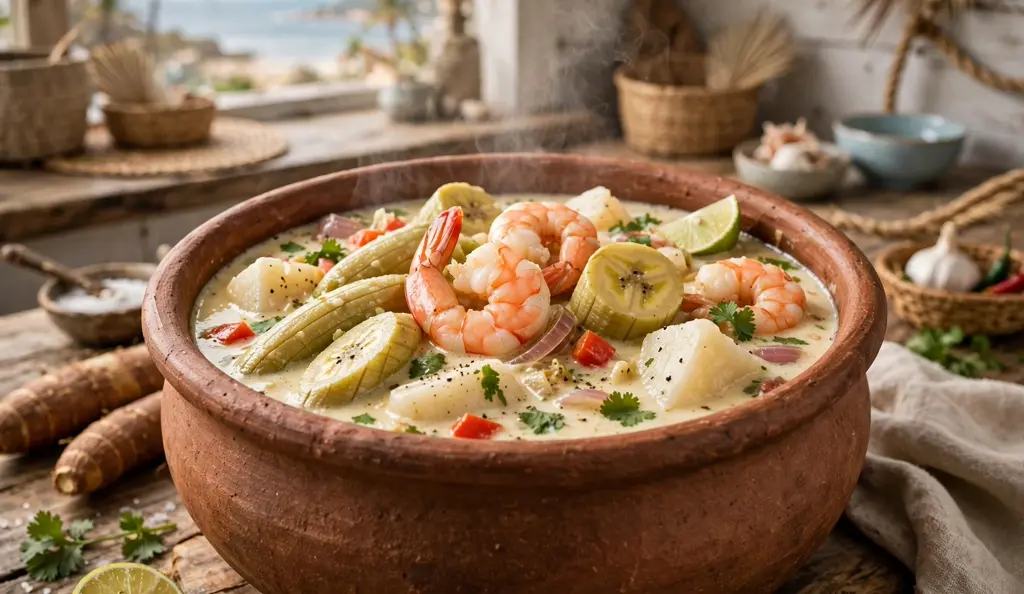
This coconut stew comes from the Caribbean coast. Cooks combine shrimp, fish, and shellfish with plantains, cassava, and coconut milk.
Ingredients: 1 lb mixed seafood (shrimp, fish, shellfish), 2 sliced green plantains, 1 cup chopped cassava, 1 diced onion, 2 minced garlic cloves, 1 diced tomato, 2 cups coconut milk.
- Sauté the onion, garlic, and tomato until soft.
- Add the coconut milk. Bring to a gentle simmer.
- Add the plantains and cassava. Cook for 15 minutes.
- Add the seafood. Simmer for 10 minutes until cooked through.
- Season with salt. Serve hot.
Gluten-free note: Naturally gluten-free. Stick to plain spices rather than blends with fillers.
4. Tajadas (Fried Plantains)
Tajadas appear next to most Honduran meals. Green plantains fry crisp and starchy. Ripe plantains turn soft and caramelized.
Ingredients: 2 green or ripe plantains, oil for frying, salt.
- Peel the plantains. Slice into thin rounds or long strips.
- Heat oil in a pan over medium heat.
- Fry until golden on both sides.
- Drain on paper towels. Add salt.
Gluten-free note: Naturally gluten-free. At home, fry in fresh oil. In restaurants, ask whether the fryer is shared with breaded foods.
5. Sopa de Caracol
Sopa de caracol is a conch soup from the Caribbean coast and the Bay Islands. Garifuna cooking shapes the recipe.
Ingredients: 1 lb cleaned, tenderized conch meat, 2 cups coconut milk, 1 cup fish broth, 1 chopped green plantain, 1 chopped potato, 1 sliced bell pepper, 1 tsp cumin.
- Simmer the conch in broth for 30 minutes until tender.
- Add the coconut milk, plantain, and potato.
- Season with cumin. Simmer for 20 minutes.
- Serve hot with white rice.
Gluten-free note: Naturally gluten-free. Check the fish broth or bouillon label for wheat.
6. Pollo con Tajadas
Pollo con tajadas pairs chicken with fried plantain slices and cabbage salad. Family lunches and street stalls both serve it.
Ingredients: chicken pieces, garlic, salt, pepper, plantains, shredded cabbage, vinegar, oil, chismol (a fresh tomato and onion relish).
- Season the chicken with garlic, salt, and pepper. Fry or roast until fully cooked.
- Fry plantain slices until golden.
- Toss the cabbage with vinegar, salt, and a little oil.
- Plate the chicken with plantains, cabbage, and chismol.
Gluten-free note: Gluten-free when you fry in clean oil and season simply. Skip pre-made seasoning blends unless the label is clear.
7. Casamiento
Casamiento means “marriage” in Spanish. The name refers to rice and beans cooked together. Some Honduran versions add coconut milk or sofrito.
Ingredients: 1 cup cooked black beans, 2 cups cooked white rice, 1/4 cup diced onion, 1/4 cup diced bell pepper, 2 tbsp oil.
- Sauté the onion and pepper in oil until soft.
- Add the beans and rice.
- Stir until combined and heated through.
- Season with salt.
Gluten-free note: Naturally gluten-free. Use plain cooked rice, not seasoned rice mixes.
8. Montucas
Montucas are corn tamales made from fresh sweet corn instead of dried masa. The fresh corn gives them a naturally sweet flavor.
Ingredients: 8 ears sweet corn (kernels removed, husks saved), 1 lb pork in small pieces, 1/2 cup soaked rice, 1 diced potato, 2 tbsp toasted squash seeds, 2 tbsp raisins, 2 tbsp olives, salt, sugar, pepper.
- Blend the corn kernels into a thick paste.
- Season the pork with salt.
- Spoon corn paste onto a corn husk.
- Add pork, rice, potato, squash seeds, raisins, and olives.
- Fold and tie the husk into a packet.
- Boil for about 3 hours until firm.
Gluten-free note: Naturally gluten-free. No swap needed.
9. Yuca con Chicharrón
This dish pairs boiled yuca (cassava) with crisp fried pork. Cabbage slaw and chismol complete the plate.
Ingredients: 2 lb yuca in chunks, 1 lb pork belly in pieces, 1 cup shredded cabbage, 1 diced tomato, 1 diced onion, 2 tbsp vinegar, salt.
- Boil the yuca in salted water for 25 minutes until fork-tender.
- Fry the pork belly until crisp. Drain on paper towels.
- Toss the cabbage with vinegar, salt, and oil.
- Mix the tomato and onion into chismol.
- Plate the yuca with chicharrón. Serve slaw and chismol on the side.
Cooks in Olancho sometimes use chicharrón de garra, a mix of meat and skin.
Gluten-free note: Naturally gluten-free. Fry the pork in clean oil at home.
10. Anafre
Anafre is refried beans with melted cheese. Cooks serve it hot in a small clay pot, with tortilla chips for scooping.
Ingredients: 1 cup refried beans, 1 cup shredded quesillo or mozzarella, 1/4 cup chopped chorizo (optional), tortilla chips.
- Warm the beans in a small heatproof pot.
- Layer the cheese on top. Add chorizo if using.
- Heat gently until the cheese melts.
- Serve immediately with chips.
Gluten-free note: Gluten-free with corn tortilla chips. If you add chorizo, check the label for wheat-based fillers.
11. Catrachas
“Catracho” is a common nickname for Hondurans, and the snack takes its name from it. Crisp corn tortillas hold beans and cheese.
Ingredients: 4 small corn tortillas, oil for frying, 1 cup refried beans, 1/4 cup crumbled cheese, 2 tbsp crema.
- Fry the tortillas briefly until crisp but pliable.
- Spread refried beans on each tortilla.
- Top with cheese and crema.
- Serve warm.
Gluten-free note: Naturally gluten-free. Use corn tortillas and fry in clean oil.
12. Atol de Elote
Atol de elote is a warm, thick corn drink. Hondurans drink it in the evening or alongside breakfast baleadas.
Ingredients: 4 ears fresh corn (kernels removed), 4 cups milk, 1 cinnamon stick, 1/4 cup sugar.
- Blend the kernels with a little milk until smooth.
- Combine the mixture with the remaining milk and cinnamon in a pot.
- Simmer, stirring often, until slightly thick.
- Remove the cinnamon. Stir in the sugar. Serve warm.
Gluten-free note: Naturally gluten-free. The corn itself thickens the drink, so no flour is needed.
13. Horchata (Honduran Style)
Honduran horchata differs from the Mexican rice-based drink. It uses morro seeds, sesame seeds, and cinnamon for a nuttier flavor.
Ingredients: morro seeds, sesame seeds, uncooked rice, cinnamon, sugar, water, ice.
- Toast the morro seeds, sesame seeds, and rice in a dry pan until fragrant.
- Blend the toasted mixture with water, cinnamon, and sugar.
- Strain through a fine cloth.
- Serve chilled over ice.
Gluten-free note: Naturally gluten-free. If you cannot find morro seeds, use extra sesame seeds.
Where Gluten Hides in Honduran Cooking: A 30-Second Checklist
Honduran recipes look gluten-free on paper, but a few ingredients smuggle wheat into the pot. Run through this checklist before you cook or order:
- Wheat flour tortillas: used for baleadas, pastelitos, and some enchilada-style snacks. Swap for corn tortillas.
- Chorizo and sausages: some brands use wheat-based fillers. Read the label or ask the butcher.
- Bouillon cubes and consomé powder: a common base for soups and stews. Several brands contain wheat. Use plain broth or a certified gluten-free bouillon.
- Soy sauce in marinades: traditional soy sauce is brewed with wheat. It shows up in some chicken marinades.
- Shared fryers: tajadas, catrachas, and chicharrón are safe until they share oil with breaded foods. At home, use fresh oil.
- Spice blends and seasoned salt: wheat starch sometimes works as an anti-caking agent. Plain single spices are safer.
- Thickeners: a few cooks thicken sauces with wheat flour. Cornstarch is the usual gluten-free fix, but check the label since factories vary. See our guide on whether cornstarch is gluten-free.
Memorize the big three (flour tortillas, bouillon, shared fryers) and you will catch nearly every problem before it reaches the plate.
Is Honduran Food Spicy?
No. Traditional Honduran food is mild. Cooks build flavor with garlic, cumin, achiote, cilantro, and fresh vegetables instead of chili heat. You will rarely meet a dish that burns. Most restaurants keep a bottle of hot sauce on the table for guests who want heat. Garifuna dishes on the Caribbean coast use more chili and coconut milk than inland cooking.
If you like heat, add it yourself. A spoonful of chismol with extra jalapeño, or any bottled hot sauce, lifts pollo con tajadas without changing the recipe.
Ingredient Substitutions for Cooking Outside Honduras
Most home cooks follow a recipe correctly and still get a different result. Two causes explain it: ingredient swaps and salt. This table covers the swaps, with a gluten-free note for each.
| Honduran ingredient | Common substitute | Used in | Gluten-free note |
|---|---|---|---|
| Crema | Sour cream | Baleadas, catrachas | Gluten-free; check flavored versions |
| Queso duro | Feta | Baleadas, catrachas | Naturally gluten-free |
| Quesillo | Mozzarella | Anafre | Naturally gluten-free |
| Cecina (dried salted beef) | Unsweetened beef jerky | Tapado olanchano | Check jerky for soy sauce or wheat |
| Banana leaves | Frozen banana leaves from Latin or Asian markets | Nacatamales | Naturally gluten-free |
| Morro seeds | Extra sesame seeds | Horchata | Naturally gluten-free |
The Salt Mistake in Tapado
Dried salted beef carries most of the salt in tapado olanchano. Honduran cooks soak the beef overnight in the refrigerator. They discard the water and rinse the meat before cooking. A recipe published by La Prensa in 2024 names this soak as a key factor in flavor. Cooks who skip it and then add salt produce an over-salted stew. Taste the pot before adding any salt.
Green or Ripe Plantain
Green plantains hold their shape in stews and fry crisp. Ripe plantains soften and sweeten. Swapping one for the other changes the texture of tajadas and tapado, so match ripeness to the dish.
Honduran Food Near Me: Restaurants and Food Trucks
Finding a Honduran restaurant depends on where you live. Pew Research Center reported in August 2023 that about 1.1 million Hispanics of Honduran origin lived in the United States in 2021, up 374 percent from 240,000 in 2000. Restaurants cluster where these communities live. Listings found in October 2026 include Honduras Restaurant in Elizabeth, New Jersey, and Honduras Restaurant in Nashville, Tennessee.
A typical traditional Honduran food menu lists a plato típico: beef, refried beans, tortillas, sour cream, pickled cabbage, rice, and fried plantain. You will also see baleadas, enchiladas (fried corn tortillas with meat and cheese), pastelitos, anafres, and sopa de caracol. For food trucks, check Google Maps and social media for hours, and use the “Open now” filter. When eating out gluten-free, ask about the fryer and skip the baleada unless the kitchen offers a corn tortilla.
For readers in Gujranwala and Lahore: a search in October 2026 found no dedicated Honduran restaurants in either city, so home cooking is the practical option. The good news is that baleadas, casamiento, catrachas, and tajadas need only standard grocery ingredients, and nearly all of them adapt easily to gluten-free cooking.
Building a Gluten-Free Honduran Meal at Home
Mix and match the recipes above into a full day of traditional Honduran food:
- Breakfast: gluten-free baleadas (corn tortillas) with eggs and avocado, or a warm cup of atol de elote.
- Appetizer: anafre with corn tortilla chips.
- Main course: pollo con tajadas or tapado costeño.
- Side dish: casamiento, yuca con chicharrón, or extra tajadas with fresh guacamole for dipping.
- Drink: Honduran horchata, served cold.
- Special occasion: nacatamales or montucas, made in a large batch.
Frequently Asked Questions About Traditional Honduran Food
Is traditional Honduran food gluten-free?
Mostly, yes. Dishes built on corn, plantains, yuca, beans, rice, and coconut milk are naturally gluten-free. The main exception is anything made with wheat flour tortillas, especially baleadas. Watch for shared fryers and wheat in bouillon, chorizo, and spice blends.
Are baleadas gluten-free?
No, classic baleadas are not gluten-free because they use wheat flour tortillas. For a gluten-free baleada, swap in corn tortillas. The filling of refried beans, crema, and cheese is already gluten-free.
What is the national dish of Honduras?
The baleada is the dish most often called the national dish of Honduras. It is a folded wheat flour tortilla filled with refried beans, crema, and crumbled cheese. Nacatamales are a close second, especially at Christmas.
Is tapado gluten-free?
Yes. Both tapado costeño and tapado olanchano are naturally gluten-free. They are built on plantains, yuca, meat or seafood, and (for the coastal version) coconut milk. In the olanchano version, check the chorizo for wheat-based fillers.
What is the difference between tapado olanchano and tapado costeño?
Tapado olanchano comes from Olancho and centers on dried salted beef, pork ribs, and chorizo, with no coconut milk. Tapado costeño comes from the Caribbean coast and always includes coconut milk, usually with seafood. UNITEC researchers in Tegucigalpa confirmed this split in a 2024 classification.
Are nacatamales gluten-free?
Yes. Nacatamales use corn masa steamed in banana leaves, and every traditional filling (pork, rice, potato, olives, peppers) is gluten-free. Just check the broth or bouillon for wheat.
Is Honduran food spicy?
No, it is generally mild. Cooks season with garlic, cumin, achiote, and fresh vegetables rather than chili heat. Hot sauce usually sits on the table for anyone who wants it.
What are tajadas?
Tajadas are fried plantain slices served alongside most Honduran meals. Green plantains fry up crisp and starchy, while ripe ones turn soft and sweet. They are naturally gluten-free when fried in clean oil.
What do Hondurans eat for breakfast?
A typical breakfast includes baleadas, fried plantains, and eggs, often with avocado, crema, and a cup of atol de elote. For a gluten-free breakfast, use corn tortillas for the baleadas.
What is the difference between montucas and nacatamales?
Montucas use fresh sweet corn blended into a naturally sweet dough, while nacatamales use a richer savory masa made from dried corn. Montucas boil for about 3 hours; nacatamales steam for about 2 hours. Both are gluten-free.
Can I cook Honduran food at home if I have celiac disease?
Yes, home cooking is the safest way to enjoy Honduran food with celiac disease. You control the oil, the seasonings, and the labels. The Celiac Disease Foundation notes that about 1 in 100 people worldwide have celiac disease (March 2026). Talk with your doctor or dietitian about your own needs.
Is Honduran horchata gluten-free?
Yes. Honduran horchata is made from morro seeds, sesame seeds, rice, cinnamon, and sugar. It contains no gluten ingredients. Do not confuse it with Mexican horchata, which is also usually gluten-free but rice-based.
Where can I find Honduran food near me?
Search Google Maps for “Honduran restaurant” plus your city. Restaurants cluster in areas with large Honduran communities, such as parts of New Jersey and Tennessee. When eating out gluten-free, ask about shared fryers and request corn tortillas.
What is casamiento?
Casamiento means “marriage” in Spanish. It is rice and beans cooked together, sometimes with coconut milk or sofrito. It is naturally gluten-free and works as a side dish for almost any Honduran main course.
Conclusion
Traditional Honduran food is a gift for gluten-free eaters. Twelve of the thirteen dishes in this guide are naturally gluten-free or need just one simple swap. Corn, plantains, yuca, beans, and coconut milk do the heavy lifting, and the recipes use grocery-store ingredients.
The baleada is the one dish that needs attention. Swap its wheat flour tortilla for corn, and the national dish becomes safe too. Learn the three watch-outs (flour tortillas, bouillon with wheat, shared fryers), and you can cook the whole cuisine with confidence. Start with tajadas or casamiento tonight, then work your way up to nacatamales.
For the full backstory on the cuisine, read more about Honduran cuisine.