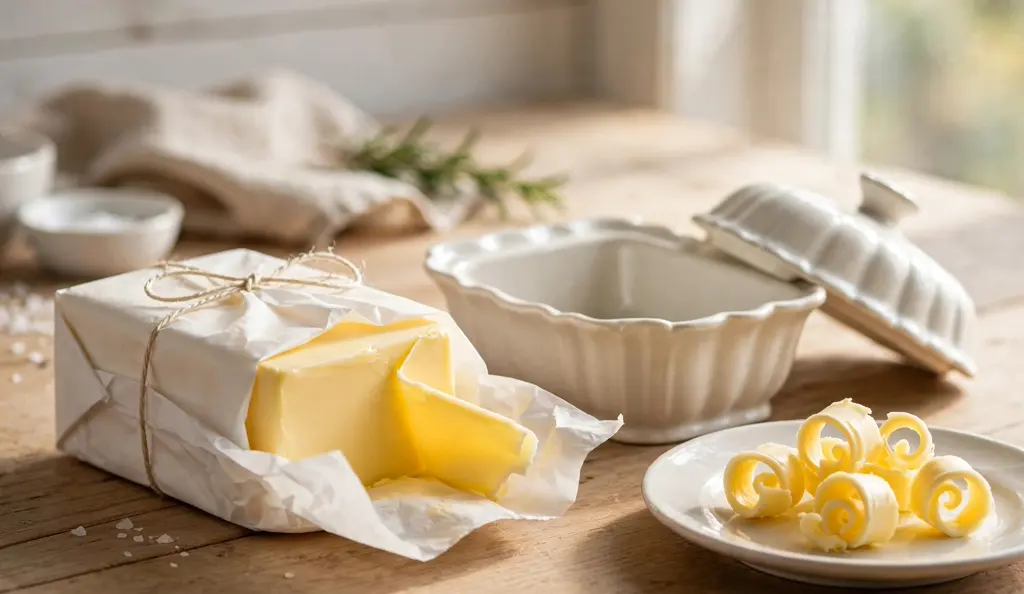
Can you freeze butter? Yes. It freezes beautifully, keeps its flavor for months, and thaws back into a normal stick. Salted butter lasts 6 to 12 months in the freezer, unsalted about 6 months, when wrapped tight and stored at 0 degrees. As of October 2026, food safety experts still call freezing the best way to stock up during holiday sales.
Most of us buy extra butter when the price drops, then watch it fade in the fridge. Fridge butter stays fresh for only 1 to 2 months. This guide gives you the full solution: how to freeze butter in every form, how long each type lasts, how to thaw it fast, and how to bake with it straight from frozen. You will also learn the grated butter trick that makes flaky gluten-free biscuits easy.
Can You Freeze Butter? The Short Answer
Yes, you can freeze butter with no special equipment. Butter is about 80 percent fat and only 16 percent water. It forms tiny ice crystals in the freezer instead of the large ones that ruin milk or cream cheese. Wrap it tight, freeze it fast, and hold the freezer at 0 degrees Fahrenheit or below.
USDA FoodKeeper data, summarized by Listonic in October 2026, gives butter 1 to 2 months in the fridge and 6 to 9 months in the freezer, counted from the day you bought it. Salted sticks stored well can stretch to 12 months. Count from the purchase date, not the day you froze it.
| Type of butter | Fridge | Freezer at 0F or below |
|---|---|---|
| Salted sticks | 1 to 2 months | 6 to 12 months |
| Unsalted sticks | 1 to 2 months | Up to 6 months |
| Whipped butter | 1 to 2 months | 4 to 6 months |
| Cultured or European butter | 1 to 2 months | 4 to 6 months |
| Homemade butter | 1 week | 3 to 4 months |
| Herb or compound butter | 1 to 2 weeks | 3 to 5 months |
| Ghee (clarified butter) | 3 to 4 months | 12 months or more |
Salted butter keeps longer because salt slows spoilage. European-style butters run 82 to 85 percent butterfat, notes the US Dairy Export Council, and that extra fat freezes just as well. The USDA Food Safety and Inspection Service reminds cooks that food held at 0 degrees stays safe, so these time ranges are about quality, not safety.
How to Freeze Butter in 5 Steps
- Keep the original wrapper on. The wax paper or foil fits the block and keeps air off the surface.
- Portion big blocks first. Cut large blocks into halves or quarters for baking. Cubes thaw fastest of all.
- Double wrap for long storage. Slip wrapped sticks into a heavy-duty freezer bag. Press out all the air before sealing. For storage past 6 months, add a foil layer first.
- Store deep in the freezer. The door is the warmest spot and swings in temperature. Keep butter on a back shelf at 0 degrees or below.
- Label every bag. Write the date and whether the butter is salted or unsalted. Use the oldest sticks first. Simple rotation saves money.
Do You Need to Portion Butter Before Freezing?
Not for short storage. For baking, yes. Pre-cut cubes let you grab exactly what a recipe needs without thawing a whole stick. Picture a busy parent in Lahore making weekend pancakes. A bag of frozen butter cubes melts in minutes, with nothing wasted.
The double-wrap rule
One layer blocks touch, two layers block air. The original wrapper is layer one. A freezer bag or foil is layer two. Butterfat picks up strong smells from fish and onions fast, and the second layer stops that.
Does Freezing Butter Change the Taste or Texture?
Almost not at all. The National Dairy Council notes that butter is simply cream churned until it turns semisolid. That simple structure freezes well. Thawed butter spreads, melts, and creams just like a fresh stick. After very long storage you may see a slightly dry surface, and that disappears the moment it melts.
Can you freeze butter in its original wrapper?
Yes, you can freeze butter in its original wrapper. The wax paper or foil it comes in fits tight and keeps air out. For freezer storage past one month, add a second layer: slip the wrapped sticks into a heavy-duty freezer bag and press out the air. Label the bag with the date, then use the oldest sticks first.
By law, butter must contain at least 80 percent milkfat, as reported by the Cheese Reporter in January 2025 covering a USDA rule effective February 18, 2025. That low water content is exactly why freezing works so well on butter and so poorly on low-fat dairy.
How to Thaw Frozen Butter: 4 Methods
- Fridge overnight (best texture). Move sticks to the fridge 6 to 8 hours before you need them. The slow change keeps the fat smooth. Best for spreading and creaming.
- Counter cubes (fastest hands-off). Cut the frozen stick into small cubes and leave them on the counter. Cubes soften in about 45 minutes. Grated butter softens even faster.
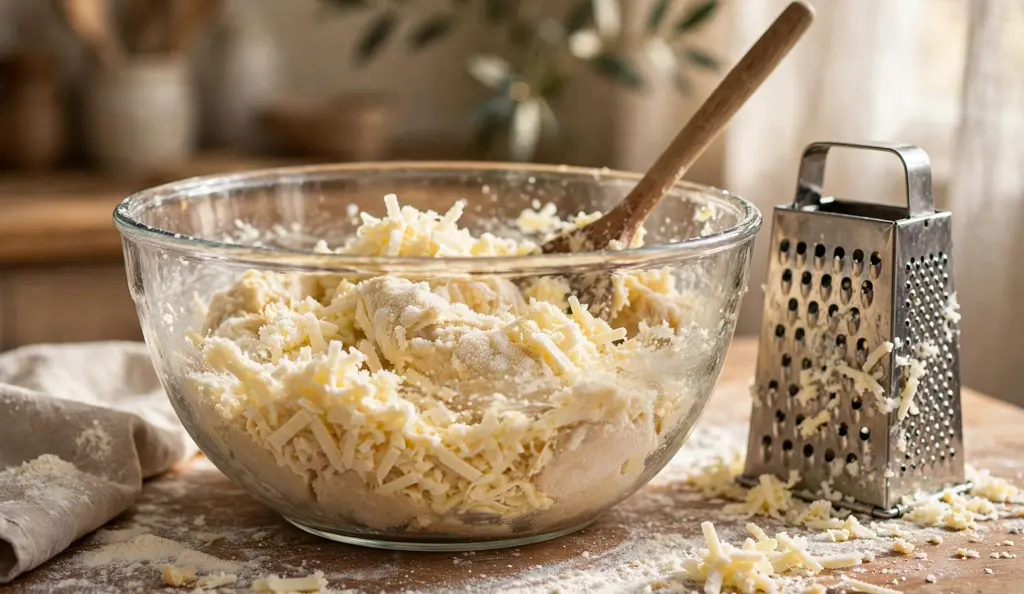
- Grate it frozen (best for baking). Run the frozen stick over a box grater straight into the flour. The full method is in the grater trick section below.
- Microwave defrost (last resort). Use the defrost setting in 10-second bursts, flipping the stick each time. Stop while it still feels firm. Melted butter cannot cream with sugar.
Dairy freezes on the same logic across the board. Our guide to freezing milk shows the same portion-and-label method for another fridge staple.
Which Thawing Method Keeps the Best Quality?
Fridge thawing wins. Gradual warming protects the smooth emulsion that makes butter spreadable. Counter thawing is fine when you are in a hurry. The microwave only works with strict 10-second bursts, because melted edges ruin creaming.
When a recipe calls for softened butter
Softened means the butter holds a fingerprint but still stands tall. Fridge-thawed butter reaches that stage after about 30 minutes on the counter. Never soften butter by melting it. Melted butter makes cakes dense and cookies flat.
Can You Freeze Butter and Grate It Straight Into Dough?
Here is the secret most storage guides miss. Frozen butter is not just stored butter. It is better butter for flaky baking. When you grate a frozen stick straight into flour, the cold shreds stay separate in the dough. In the hot oven, they melt into tiny steam pockets. Those pockets lift the dough into flaky layers.
This matters even more in gluten-free baking. Wheat dough gets structure from gluten. Gluten-free dough has no gluten network, so cold fat does the heavy lifting. Our soft gluten-free cinnamon rolls and gluten-free banana loaf turn out tender because the butter stays cold until the oven. Freezing butter on purpose gives you bakery texture at home.
Keep one stick in the freezer at all times during the October 2026 holiday season. When a recipe needs cold butter, unwrap the frozen stick and grate it on the large holes of a box grater. Toss the shreds through the flour mix right away, before they warm up. Work fast and keep your hands cool. This one trick upgrades biscuits, pie crusts, scones, and shortbread, gluten-free or not.
Butter is also cheap right now. USDA wholesale data put butter near $1.49 a pound in mid-September 2026, reported by eDairy News in September 2026, far below the 2024 peaks above $3 a pound. Freezing lets you lock in low prices before holiday baking demand climbs.
Can You Refreeze Butter After It Thaws?
Only if it thawed safely. Butter that moved from freezer to fridge can go back in, as long as it never sat above 40 degrees for more than 2 hours. Each freeze-thaw cycle costs a little texture, so treat refrozen butter as cooking butter, not table butter.
Can you refreeze butter?
Yes, you can refreeze butter that thawed in the fridge, as long as it stayed at or below 40 degrees and never sat out longer than 2 hours. Safety holds, but texture may suffer a little: expect a slightly grainier bite. For best results, use refrozen butter for cooking or melting instead of serving it on toast.
Is Frozen Butter Still Gluten Free?
Plain butter is naturally gluten free, before freezing and after. Cold storage changes nothing about gluten content. Freezing cannot add gluten, and it cannot remove it either.
Check flavored butters. Garlic, herb, or honey butters can carry added flavors or seasonings that hide gluten. Always read the current label, because recipes change. If a package says gluten free, it meets the FDA rule of under 20 parts per million. Certified gluten free adds third-party testing on top of that.
Watch cross-contact at home. Cross-contact means gluten touches a gluten-free food by accident. The classic case is a shared butter knife: crumbs from wheat bread travel on the blade into the butter dish. Keep a separate butter dish for gluten-free eaters, or use a clean knife every time. Our gluten-free foods and snacks guide lists more pantry staples that need the same care.
If you live with celiac disease or a wheat allergy, check with your doctor or a registered dietitian before changing how you handle food. If a recipe also calls for buttermilk, see our 7 easy buttermilk substitutes made at home.
How to Tell If Frozen Butter Has Gone Bad
Freezing pauses spoilage but never reverses it. Before you use an old stick, check it with your senses. Butter that froze fresh and stayed sealed is almost always fine.
- Rancid or sour smell. Good butter smells creamy or neutral. A smell like old oil or blue cheese means the fat has oxidized. Throw it out.
- Deep color through the whole stick. A pale dry surface is normal. Yellowing or browning all the way through means it is past its prime.
- Sour or metallic taste. Taste a tiny piece from the center. If it tastes off, discard the whole stick.
- Thick frost inside the wrapper. This means air got in. Trim the damaged parts and use the rest for cooking only.
- You cannot remember when you froze it. No date means no trust. When in doubt, cook with it or toss it.
Freezer burn is not dangerous, only dull. White, leathery patches taste stale. Cut them away and use the good butter underneath for sauteing or baking.
7 Freezing Mistakes That Waste Good Butter
- Storing butter in the freezer door. The door is the warmest zone and swings in temperature every time you open it. Store deep inside instead.
- Freezing in only the original paper for months. Thin paper lets air and odors creep in over time. Add a freezer bag or foil for long storage.
- Forgetting to label the date. You cannot rotate what you cannot date. A marker and masking tape take ten seconds.
- Cutting a rock-hard frozen block. Frozen butter is hard as wood. Slice big blocks into portions before they go in.
- Thawing on the counter all day. More than 2 hours above 40 degrees breaks the safety chain. Use the fridge or the quick methods above.
- Microwaving on full power. The inside melts while the outside stays hard. Melted butter cannot cream with sugar.
- Refreezing butter that thawed on the counter. Once it sat out too long, the freezer cannot make it safe again.
Frequently Asked Questions
Can you freeze butter in its original box?
Yes, for a month or two. The cardboard box alone is thin, so slip the whole box into a freezer bag for longer storage. Press out the air and label the date.
How long can you freeze butter before it goes bad?
Salted butter holds 6 to 12 months at 0 degrees. Unsalted butter holds about 6 months. Food at 0 degrees stays safe, so after that the flavor fades rather than turning unsafe.
Can you freeze butter twice?
Only if it thawed in the fridge and stayed at or below 40 degrees the whole time. Butter that thawed on the counter should not go back in. Expect a slightly grainier texture the second time.
Does frozen butter work for baking?
Yes, and grated frozen butter often beats softened butter for flaky results. The one exception is creaming: recipes that beat butter with sugar need fully thawed, softened butter.
Can you freeze whipped butter?
Yes, for 4 to 6 months. Keep it in its original tub, then put the whole tub inside a freezer bag. Thin tubs let air in without that extra layer.
Can you freeze ghee?
Yes, ghee freezes for 12 months or more. It has almost no water, so it barely changes in the freezer. Store it in a sealed jar or freezer bag.
Can you freeze butter with herbs?
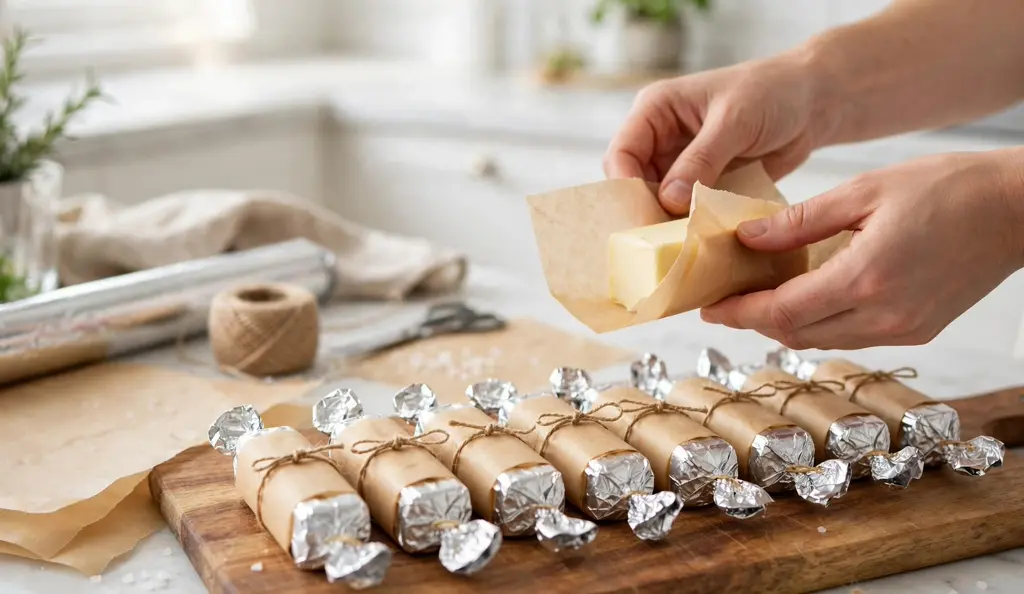
Yes, compound butter freezes 3 to 5 months. Roll it into a log in parchment paper, twist the ends like a candy wrapper, and slice off coins as needed.
How do you thaw butter quickly?
Grate the frozen stick into your recipe, or cut it into small cubes. Cubes soften in about 45 minutes on the counter. Grated butter is ready almost at once.
Can you freeze salted and unsalted butter together?
Yes, but label each bag clearly. Salted butter lasts longer in the freezer, and you do not want to mix them up in a salt-sensitive recipe.
Does freezing butter kill bacteria?
No. Freezing pauses bacterial growth but does not kill germs or destroy toxins. Freeze only fresh butter, and never freeze butter that already smells off.
Is it safe to leave butter on the counter after thawing?
Salted butter can sit out 1 to 2 days at room temperature, per USDA FoodKeeper data. Unsalted butter is safer in the fridge, and any butter should go back in the fridge in warm kitchens.
Can you freeze butter in October 2026 for the holidays?
Yes, and October 2026 is prime stock-up season. Freeze sale butter now and thaw it through December for holiday baking. Just wrap tight, label the date, and use the oldest sticks first.
Is butter gluten free?
Plain butter is naturally gluten free. Flavored butters need a label check, since seasonings can hide gluten. Keep a crumb-free butter dish to avoid cross-contact from shared knives.
Conclusion
Butter freezes better than almost any dairy food. Salted sticks last 6 to 12 months, unsalted about 6, and a tight double wrap keeps flavor fresh the whole time. Thaw in the fridge for the best texture, or grate the stick frozen for flakier gluten-free baking. Keep a separate butter dish if your kitchen is gluten free, and always label the date. Stock up during the October 2026 sales, and you will bake through the holidays without a single wasted stick.
To learn how butter is churned, graded, and defined around the world, explore the butter article on Wikipedia.