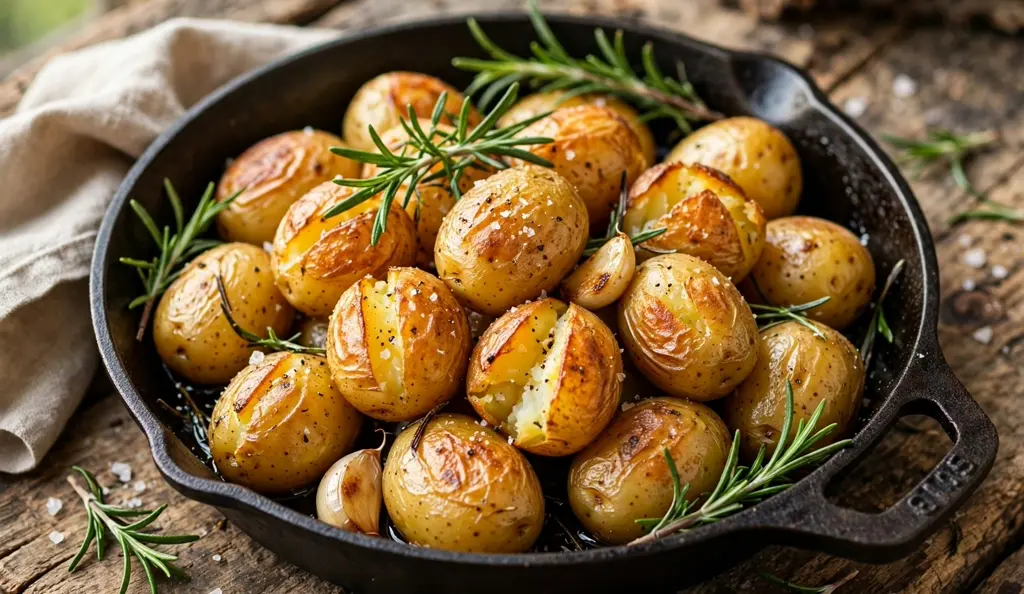
A friend warned me last week that potatoes might contain gluten. It sounded wrong, and it is, but with one big catch. The short answer as of October 2026: yes, potatoes are gluten free by nature. The plant has nothing to do with wheat, barley, or rye. The problem starts after harvest, when coatings, sauces, seasonings, and shared fryers can add gluten back in.
This guide answers “are potatoes gluten free” the way a careful cook would want it answered. You will learn why the potato plant can never contain gluten, where gluten sneaks into potato dishes, how to cook potatoes safely at home, and what to ask at any restaurant. You will also get a quick safety table, two short answer boxes, and clear answers to the questions people search most.
Are Potatoes Gluten Free? Why the Plant Is Always Safe
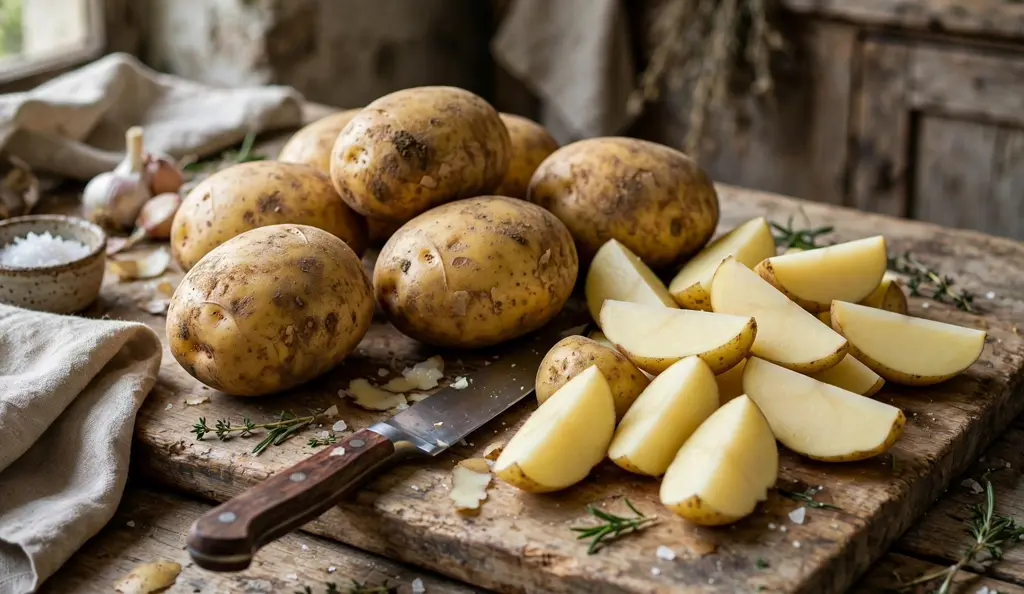
Potatoes are tubers. They grow underground as part of the nightshade family. Wheat, barley, and rye are cereal grains, and they are completely different plants. Gluten is a protein that exists only in those grains and their close hybrids, like spelt and triticale. A plain potato has none of it.
That is why groups like the Celiac Disease Foundation list plain potatoes as naturally gluten free. The variety does not matter. Russet, red, Yukon Gold, fingerling, purple, and sweet potato are all safe in their natural state. Scrub them, cook them, and eat them with confidence.
This matters because potatoes are a true staple food. The USDA Economic Research Service reported in its July 2025 outlook that Americans had about 115 pounds of potatoes per person available each year from 2022 to 2024. When a food is this common, knowing exactly where gluten can sneak in is worth your time.
Where Gluten Sneaks Into Potato Dishes
The potato itself is never the problem. The problem is everything that touches it. Gluten hides in coatings, sauces, seasonings, and shared cooking equipment. Once you know the hiding spots, you can spot them fast.
The Usual Hiding Spots
- Gravy thickened with wheat flour
- Cheese sauce thickened with wheat flour
- Instant mashed potato mixes with wheat-based flavorings
- Potato chips with malt vinegar or gluten seasonings
- Frozen fries dusted with wheat flour before freezing
- Restaurant fries cooked in shared fryers
- Butter or sour cream scooped with shared utensils
- Potato bread and potato casseroles topped with breadcrumbs
Gravy is the classic trap. Most restaurant gravy starts with a flour roux, and that flour is wheat. A scoop of it turns a safe plate of mashed potatoes into a risky one. Cheese sauces and casserole toppings work the same way. When a sauce is thick and smooth, ask what thickened it.
Frozen fries deserve a close look too. Some brands dust fries with a light wheat flour coating so they crisp up in the oven. The front of the bag looks innocent. The ingredients list tells the truth. For a wider look at which packaged foods you can trust, see our guide to gluten-free foods and snacks.
It helps to know the three levels of gluten-free safety. A plain potato is naturally gluten free, meaning nothing was added or removed. A product labeled gluten free meets the FDA rule from August 2013, which says the food must contain less than 20 parts per million of gluten. A certified gluten free product carries a seal from a group like the Gluten-Free Certification Organization (GFCO), which means an independent body tested it. Natural is a fact about the food. The other two are promises on a package, and labels can change, so always check the current one.
Are Potatoes Gluten Free for Someone With Celiac Disease?
Yes. Plain potatoes are naturally gluten free and safe for people with celiac disease, according to Beyond Celiac and the Celiac Disease Foundation. The risk comes only from added ingredients and cross-contact, which is when gluten touches gluten-free food by accident. About 1 in 133 Americans has celiac disease, per a Beyond Celiac report from August 2025, so handling matters.
Potato Starch vs Potato Flour: The Mix-Up That Trips People Up
People mix these two up all the time, and it causes real confusion. Both come from potatoes, and both are naturally gluten free. But they are not the same thing, and they behave very differently in the kitchen.
What Is Potato Starch?
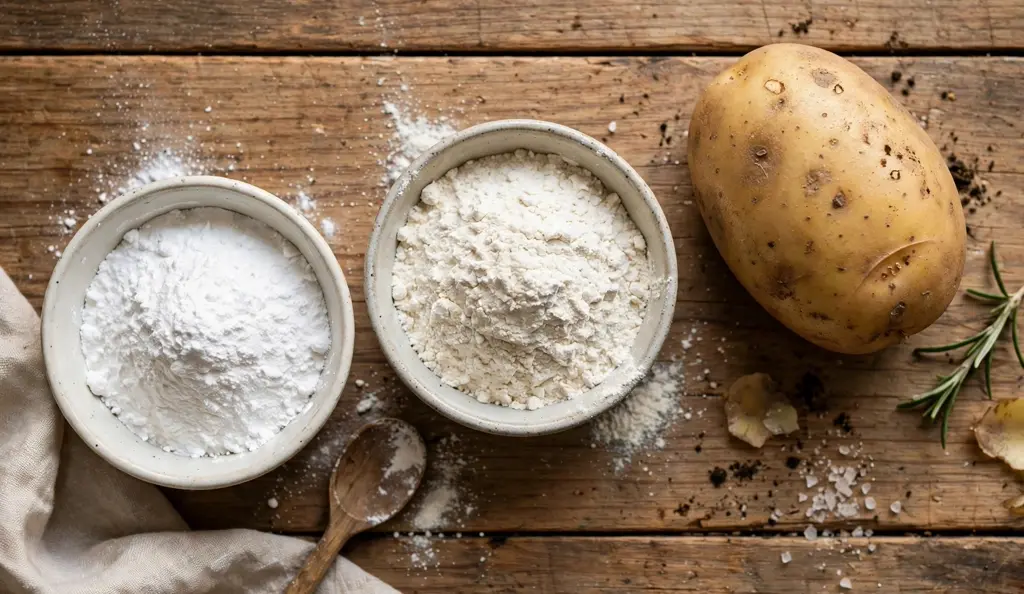
Potato starch is the pure starch pulled out of the potato. It is a fine white powder, and it works as a thickener for soups, sauces, and gravies. It is the potato product most likely to appear in a gluten-free flour blend. Brands like Bob’s Red Mill sell it in bags that state whether the product is certified gluten free.
What Is Potato Flour?
Potato flour is the whole potato, cooked, dried, and ground into a powder. It is heavier and has a stronger potato flavor. Bakers use it in small amounts to keep gluten-free bread moist. It is naturally gluten free too, but it is not interchangeable with the starch in recipes.
When Potato Starch or Flour Gets Risky
The risk is not the potato. The risk is the bag it came in. Bulk bins are the biggest problem, because a scoop used for wheat flour can easily end up in the potato starch bin. Shared factory lines are the second risk. Buy starch and flour in sealed bags with a clear gluten-free label, and look for a certification mark like the GFCO seal when you want extra confidence.
Are Potatoes Gluten Free at Restaurants? The Honest Answer
At restaurants, the question “are potatoes gluten free” gets a more complicated answer. A baked potato is usually fine. French fries are the riskiest potato on any menu as of October 2026. Most restaurant fryers are shared, which means your fries cook in the same oil as battered chicken, onion rings, and other wheat-coated foods. That oil carries gluten straight onto your plate.
Fries are also everywhere. Frozen potato products, most of which become French fries, averaged about 58 pounds per person per year in the United States from 2022 to 2024, according to the USDA Economic Research Service outlook published in July 2025. That is a lot of shared fryers.
Beyond the fryer, watch the extras. Butter can pick up gluten when a shared knife or scoop dips into it after touching bread. Sour cream served from a shared container has the same issue. Mashed potatoes can be thinned with flour or topped with wheat-based gravy. Potatoes boiled in water that earlier boiled pasta can pick up gluten from the water itself.
If you have celiac disease, talk to your doctor or a registered dietitian about how careful you need to be when eating out. When you scan a menu for safe starters, our gluten free appetizers roundup shows which party classics are easiest to order safely.
The 5-Question Restaurant Test: Ask Before You Order
No competitor guide I have seen gives you a script for the table, so here is one. These five questions take thirty seconds, and they catch almost every restaurant risk. Ask them in this order.
- Are the fries cooked in a dedicated fryer? If the answer is no, or the server is not sure, skip the fries. A shared fryer is the single biggest potato risk in any restaurant.
- Is there any flour or batter on the potatoes before cooking? Some kitchens dust wedges and fries with seasoned flour for extra crunch. That coating is usually wheat.
- Is the gravy or cheese sauce made with wheat flour? Ask what thickens it. If the kitchen cannot say, order your potato plain and skip the sauce.
- Do the toppings come from shared containers? Shared butter crocks, sour cream tubs, and bacon bits are all cross-contact points. Ask for toppings from fresh, untouched containers.
- Was anything with gluten cooked in the same water or pan? Pasta water and shared sheet pans are quiet sources of gluten. A plain baked potato dodges all of this.
What to Do If the Server Seems Unsure
Do not feel awkward. Ask if the kitchen can confirm, and order a plain baked potato while you wait. A baked potato with salt is the safest restaurant potato there is. If the staff cannot answer any of the five questions, treat the potato dishes as risky and pick something else.
Are Sweet Potatoes Gluten Free?
Yes. Sweet potatoes are naturally gluten free, just like regular potatoes. They are a different plant from true potatoes, but neither one is a grain, so neither can contain gluten. The same rules apply: plain is safe, while candied toppings, marshmallow coatings, and restaurant preparation can add gluten.
Safe Ways to Cook Potatoes at Home
Home is where potatoes are safest, because you control every ingredient. These five methods never add gluten on their own.
- Bake scrubbed potatoes at 400 F until the skin crisps and the inside is soft
- Boil potato chunks in fresh, salted water and drain well
- Roast wedges on a lined tray with clean oil, salt, and herbs
- Mash boiled potatoes with butter and milk or a dairy-free swap you trust
- Air-fry thin slices in a clean basket with a light spray of oil
For mashed potatoes without dairy, our gluten free dairy free recipes collection has swaps that keep the texture creamy. And if you want a topping idea for baked potatoes, a spoonful of fresh homemade guacamole beats a risky restaurant sauce every time.
One Rule for Shared Kitchens
If other people in your home cook with wheat flour, keep your potato prep separate. Use clean water, clean oil, and utensils that have been washed with hot soapy water. Flour dust can travel across a counter, so wipe down the surface before you start.
Quick Guide: Which Potato Forms Are Safest?
| Potato Form | Gluten Status | What to Watch |
|---|---|---|
| Whole fresh potatoes | Naturally gluten free | Nothing, after a good scrub |
| Homemade baked potatoes | Safe | Toppings from shared containers |
| Sweet potatoes | Naturally gluten free | Candied or marshmallow toppings |
| Homemade mashed potatoes | Safe | Instant mixes with wheat flavorings |
| Potato starch or flour | Safe if labeled gluten free | Bulk bins and uncertified bags |
| Frozen fries at home | Usually safe | Wheat dusting in the ingredients list |
| Potato chips | Often gluten free | Malt vinegar and seasoning blends |
| Restaurant French fries | Risky | Shared fryers and battered coatings |
| Instant mashed potatoes | Check the label | Wheat-based flavorings |
| Potato bread | Not gluten free | Almost always made with wheat flour |
| Store-bought gnocchi | Often not gluten free | Wheat flour is the main binder |
Frequently Asked Questions
Are potatoes gluten free?
Yes. All plain potatoes are naturally gluten free. Gluten only shows up when wheat-based coatings, sauces, seasonings, or shared cooking equipment get involved.
Do potatoes have gluten in them naturally?
No. Potatoes are tubers, not grains. Gluten is a protein found in wheat, barley, and rye. A plain potato contains none of these proteins.
Are sweet potatoes gluten free?
Yes. Sweet potatoes are naturally gluten free. Watch out only for added toppings like marshmallows, brown sugar glazes, or streusel, which can contain gluten.
Is potato starch gluten free?
Yes, potato starch is naturally gluten free because it comes only from potatoes. Buy it in a sealed bag with a gluten-free label, and avoid bulk bins where cross-contact happens.
Is potato flour gluten free?
Yes. Potato flour is made from whole dried potatoes and is naturally gluten free. Do not confuse it with potato bread, which is usually made with wheat flour.
Are French fries gluten free?
Plain fries made at home in clean oil are gluten free. Restaurant fries are risky because most are cooked in shared fryers with wheat-battered foods. Always ask about the fryer.
Are baked potatoes gluten free?
Yes. A plain baked potato is one of the safest restaurant and home foods for a gluten-free diet. The risk comes only from toppings like shared butter, sour cream, or wheat-based chili.
Are mashed potatoes gluten free?
Homemade mashed potatoes made with butter, milk, salt, and pepper are gluten free. Instant mixes can contain wheat-based flavorings, so read the label before buying.
Are potato chips gluten free?
Most plain potato chips are gluten free. Flavored chips are the risk, because seasonings can include malt vinegar or wheat-derived ingredients. Check the label every time.
Is gnocchi gluten free?
Most store-bought and restaurant gnocchi is not gluten free, because wheat flour is the binder that holds it together. Only gnocchi made with a gluten-free flour is safe.
Are hash browns gluten free?
Plain shredded potatoes cooked at home are gluten free. Frozen or restaurant hash browns can contain wheat flour as a binder or pick up gluten from shared griddles and fryers.
Is potato bread gluten free?
No. Despite the name, potato bread is usually made with wheat flour, with potato added only for moisture and flavor. It is not safe for a gluten-free diet.
Are instant mashed potatoes gluten free?
Some are, and some are not. A few brands are labeled gluten free, but others use wheat-based flavorings or are made on shared lines. Read the ingredients list on the exact box you buy.
Can people with celiac disease eat potatoes?
Yes. Plain potatoes are safe for people with celiac disease. The key is avoiding cross-contact from shared fryers, shared utensils, bulk bins, and sauces thickened with wheat flour.
The Bottom Line
So, are potatoes gluten free? The answer is yes, by nature, and that has not changed in October 2026. The plant is a tuber, not a grain, so it cannot contain gluten. What you need to watch is everything added afterward: flour coatings, wheat-thickened sauces, flavored chips, instant mixes, and shared restaurant fryers. Cook them simply at home, ask five quick questions when you eat out, and read every label. Do that, and potatoes stay one of the safest comfort foods on a gluten-free diet.
To understand the condition that makes strict gluten avoidance necessary, read about celiac disease.