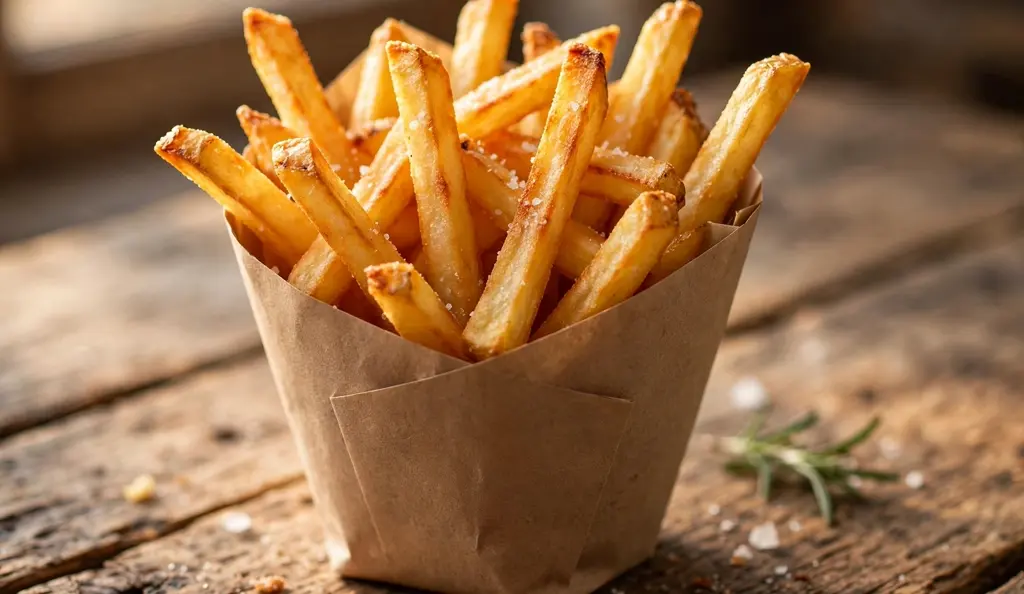
Here is a strange fact: a plain potato has never touched wheat. Yet the fries on your drive-thru tray might still contain gluten. In October 2026, more chains than ever cook in dedicated fryers, but sneaky ingredients and shared oil still catch people out. So, are french fries gluten free? Plain fries made from potatoes, oil, and salt usually are. Restaurant fries often are not, because of wheat-based coatings, shared fryers, and flavorings like natural beef flavor made with hydrolyzed wheat. This guide shows you exactly how to tell the difference, which chains are safe, and how to make perfect fries at home.
If you eat gluten free, fries sit in a gray zone. Some are perfectly safe. Others carry hidden gluten you would never taste. You will learn what makes french fries gluten free or not, which fast food chains cook theirs safely, how to read frozen fry labels in seconds, and the five questions to ask before you order. You will also get a simple home recipe that beats most drive-thrus. By the end, you will never have to guess at the counter again.
What Actually Decides If French Fries Are Gluten Free?
Three things decide the answer: the ingredients, the coating, and the cooking setup. Get all three right and your fries are safe. Get one wrong and they are not.
Potatoes Are Naturally Gluten Free
Potatoes are naturally gluten free. So are plain vegetable oil and salt. A fry made from just these three things is gluten free by nature. The trouble starts after that, when restaurants and brands add things to boost crunch and flavor.
The Coating Problem
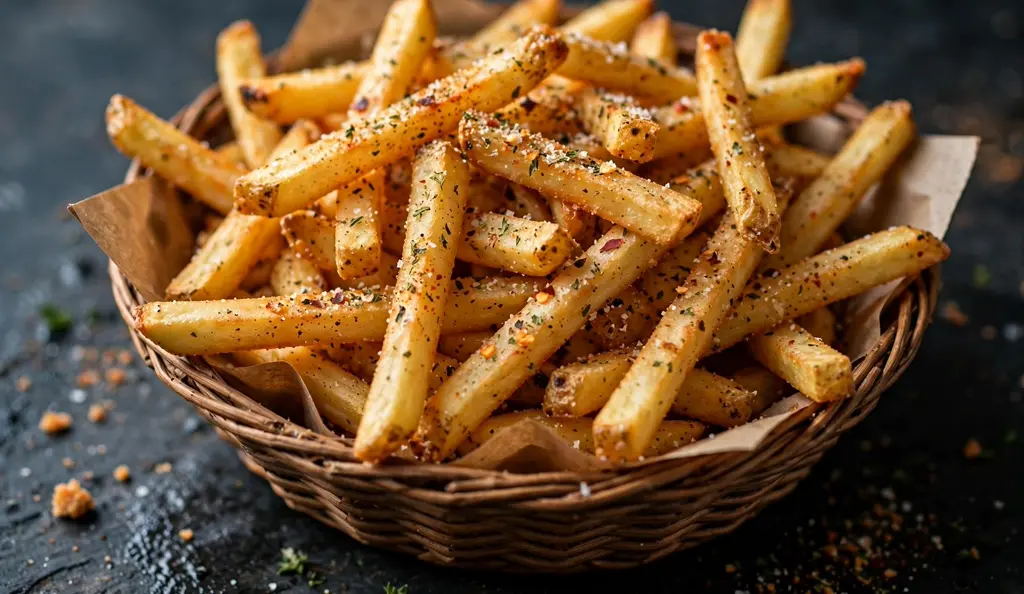
Many restaurants and frozen brands coat fries in a thin batter to make them crispier. That batter often contains wheat flour or wheat starch. Seasoned fries are the worst offenders: their spice blends can hide wheat, barley malt, or vague “natural flavors” with a gluten base. Beer-battered fries are an obvious no, since beer is brewed from barley. If you want the full story on beer and gluten, read our guide Is Beer Gluten-Free? Gluten Content, Levels, and Alternatives.
The Cooking Problem
Even plain fries turn unsafe when they share a fryer with breaded food. Cross-contact (when gluten touches a gluten-free food by accident) happens the moment chicken nuggets and fries share the same hot oil. Gluten does not melt away in hot oil. Once the oil holds gluten particles, every batch cooked in it picks them up. Under the U.S. Food and Drug Administration’s final rule from August 2013, a food can only be labeled “gluten-free” if it contains less than 20 parts per million of gluten. Shared-fryer fries easily fail that test.
Which Fast Food French Fries Are Gluten Free?
Chains change suppliers and policies, so always confirm on the day you visit. As of October 2026, these are the best-known options in the United States.
Chains That Cook Fries in a Dedicated Fryer
Five Guys cooks its hand-cut fries in peanut oil in a dedicated fryer. In-N-Out Burger does the same with sunflower oil. Chick-fil-A fries its waffle fries in a separate fryer with peanut oil. Red Robin will cook its steak fries in a dedicated fryer if you ask. These are the safest bets in fast food, but a quick question to staff never hurts. If you eat out often, our guide Gluten Free Food Near Me: The Trick Most People Miss shows how to find safe spots near you.
Are McDonald’s French Fries Gluten Free?
No. McDonald’s fries are not gluten free in the United States. Their official ingredient list includes natural beef flavor made with hydrolyzed wheat as a starting ingredient. The fries are also cooked in shared fryers alongside breaded items. Both the wheat ingredient and the fryer cross-contact make them unsafe for a gluten-free diet.
| Fry type | Gluten free? | What to check |
|---|---|---|
| Plain home-cut fries | Yes | Use fresh oil and a clean pan |
| Dedicated-fryer restaurant fries | Usually yes | Ask staff to confirm the fryer |
| Seasoned or coated fries | Often no | Wheat flour or malt in the coating |
| McDonald’s fries (US) | No | Hydrolyzed wheat in flavoring, shared fryer |
| Frozen fries labeled gluten-free | Yes | Label meets the FDA under-20-ppm rule |
| Beer-battered fries | No | Beer contains barley gluten |
The Shared Fryer Problem
The shared fryer is the number one reason restaurant fries fail a gluten-free diet. A kitchen can start with clean oil in the morning, and by lunch the breaded onion rings have done their damage. One restaurant study widely cited in gluten-free circles found that a large share of “gluten-free” restaurant items showed detectable gluten, and shared fryers were a leading cause.
Why Hot Oil Does Not Destroy Gluten
Gluten is a protein, not a germ. Heat kills germs, but it does not remove gluten protein from oil. Food scientists still detect gluten in fried foods after cooking. Think of a shared fryer as a gluten bath from the first breaded item onward. No amount of frying time fixes it.
Frozen French Fries: Are They Gluten Free?
Frozen fries are easier to judge, because you can read the label in your own kitchen. In October 2026, the lineup looks like this. Ore-Ida labels many of its fries gluten-free, including its classic cuts and tater tots. McCain does not use a gluten-free label, but its plain cuts list no gluten ingredients. Avoid its seasoned and beer-battered lines, which contain wheat or barley.
Alexia cooks its fries on dedicated gluten-free equipment, which adds a layer of safety. Store brands vary: Kroger’s plain fries are gluten free, but its seasoned fries contain wheat. The rule is simple: read the ingredient list every time, because recipes change without warning.
Know the label tiers. A plain “gluten-free” label follows the FDA’s under-20-parts-per-million rule from August 2013. A certified gluten-free mark is stricter. The Gluten-Free Certification Organization (GFCO), founded by the Gluten Intolerance Group in 2005, requires certified products to test at 10 parts per million or less, with ongoing audits. For the strictest diets, the certified mark is the safer pick.
The 30-Second Fryer Question: 5 Things to Ask Before You Order
No competitor gives you a script, so here is one. Ask these five questions at any counter, and you will know in thirty seconds whether the fries are safe.
- Do you cook your fries in their own fryer, separate from breaded foods?
- Do your fries have any coating, batter, or seasoning with wheat or flour?
- Is there wheat or malt in the oil flavoring or the salt blend?
- Can the kitchen use fresh oil or a clean pan for my order?
- Has the menu’s gluten information changed recently?
If the server hesitates on any of these, skip the fries. Your gut is worth more than a side dish.
How to Make Perfect Gluten Free French Fries at Home
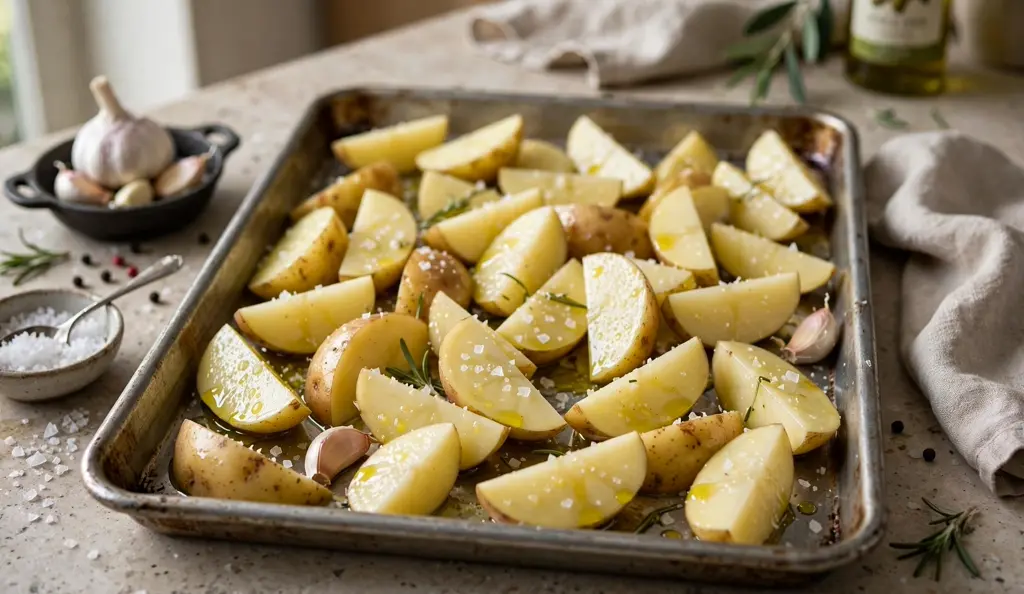
Home fries are the safest fries, and they taste better than most drive-thru versions. Picture a dad in Chicago making these on a Friday night for his celiac son. The kid finally gets fries without the interrogation.
- Cut two large russet potatoes into even sticks, about half an inch thick.
- Soak the sticks in cold water for 30 minutes, then dry them fully with a towel.
- Heat fresh oil to 325°F and fry in small batches for 4 minutes. Rest on a rack.
- Raise the oil to 375°F and fry again for 2 to 3 minutes until deep golden.
- Salt immediately and serve hot with your favorite dip.
The double fry is the secret: the first fry cooks the inside, the second makes the outside shatter-crisp. Serve them with homemade guacamole or add them to your party spread from our 23 gluten free appetizer ideas. If you have celiac disease or a serious sensitivity, talk to your doctor or a registered dietitian about which restaurant and packaged foods fit your diet.
Are Restaurant French Fries Safe for Celiac Disease?
Most restaurant fries are not considered safe for celiac disease. Shared fryers are the main reason: one batch of breaded chicken can leave enough gluten in the oil to harm someone with celiac. Fries from a verified dedicated fryer are the only restaurant option worth trusting. Always confirm with staff. Talk to your doctor or a registered dietitian first.
French Fries Gluten Free FAQs
Are french fries gluten free?
Plain fries made from potatoes, oil, and salt are gluten free. Restaurant fries often are not, because of wheat-based coatings, flavorings with hydrolyzed wheat, and shared fryers.
Are McDonald’s fries gluten free?
No. In the US, McDonald’s fries contain natural beef flavor made with hydrolyzed wheat, and they are cooked in shared fryers with breaded items.
Are Burger King fries gluten free?
It varies by location. Some Burger King outlets use a dedicated fryer and some do not. Ask the staff at your specific restaurant before ordering.
Are sweet potato fries gluten free?
The same rules apply. Plain sweet potato fries cooked in clean oil are gluten free. Breaded or seasoned versions, and any fries from a shared fryer, are not safe.
Are frozen french fries gluten free?
Many are. Ore-Ida labels several varieties gluten-free. Always read the label, and avoid seasoned, beer-battered, or wheat-coated frozen fries.
Are Ore-Ida fries gluten free?
Ore-Ida labels many of its fries and tater tots gluten-free. Check each bag, because seasoned lines can differ from plain ones.
Does frying destroy gluten in the oil?
No. Heat does not remove gluten protein from oil. Once breaded food has been fried in oil, that oil carries gluten into everything cooked in it afterward.
Are Five Guys fries gluten free?
Five Guys cooks its hand-cut fries in a dedicated fryer with peanut oil, which makes them one of the safer fast food options. Confirm with your location.
Are Chick-fil-A fries gluten free?
Chick-fil-A cooks its waffle fries in a separate fryer with peanut oil. Ask staff to confirm, since procedures can vary by restaurant.
Can people with celiac disease eat fries from a shared fryer?
No. Shared fryer oil picks up enough gluten from breaded foods to harm someone with celiac disease. Only fries from a verified dedicated fryer are worth considering.
Are seasoned fries gluten free?
Usually not. Seasoning blends often contain wheat flour, wheat starch, or barley malt. Plain salted fries are the safer choice.
Are homemade french fries gluten free?
Yes, when you make them from plain potatoes, fresh oil, and salt in a clean pan. Homemade fries give you full control over every ingredient.
What fast food chains have gluten free fries?
Five Guys, In-N-Out Burger, and Chick-fil-A cook fries in dedicated fryers. Red Robin offers a dedicated fryer on request. Always confirm with the staff on duty.
The Bottom Line on French Fries and Gluten
French fries start gluten free and only become risky through coatings, flavorings, and shared fryers. Plain home-cut fries in fresh oil are always safe. In restaurants, trust only a verified dedicated fryer, and skip McDonald’s fries entirely because of their wheat-based flavoring. Read every frozen label, ask the five fryer questions, and you can enjoy fries without the worry. That is the whole game: simple ingredients, clean oil, and no guessing. To understand why this matters so much, read about celiac disease, the autoimmune condition behind the strictest gluten-free diets.