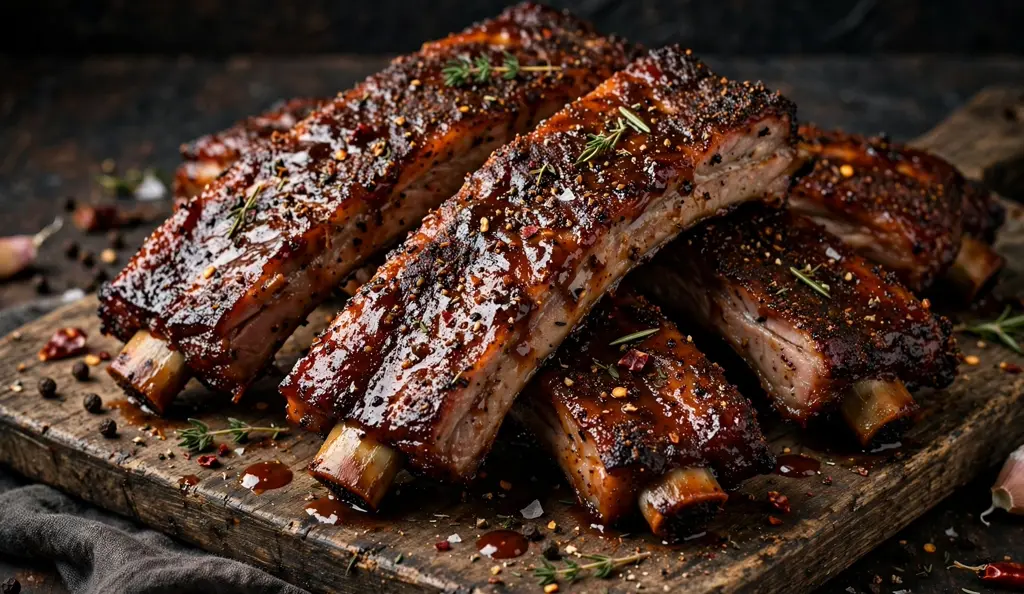
Barbecue Rib Rub Recipe: Gluten Free & Foolproof
A good barbecue rib rub should make your life easier, not riskier. But many store-bought rib rubs hide gluten in places you would never expect. As of October 2026, spice blends can still carry wheat-based anti-caking agents, malt flavoring, and soy sauce powder with zero warning on the front of the jar. The complete solution is simple: learn the ten-second label test, and make this homemade gluten-free barbecue rib rub in five minutes flat.
This guide gives you everything in one place. You get the exact recipe with real measurements, how much rub to use per rack, how to apply it, a full oven method for tender ribs, storage rules, and smart swaps. You will also learn how to spot hidden gluten in any store-bought rib rub. After reading, you can mix the rub, read any label, and cook the ribs with no second search needed.
Why Store-Bought Barbecue Rib Rub Is a Hidden Gluten Trap
Plain spices are naturally gluten free. Paprika is just dried pepper. Salt is just salt. The problem starts when companies blend those spices into a rib rub. Blends often add fillers, flavor carriers, and anti-caking agents. Some of those additives contain wheat, barley, or rye.
The usual suspects are wheat starch used as an anti-caking agent, malt flavoring derived from barley, hydrolyzed wheat protein, soy sauce powder (soy sauce is traditionally brewed with wheat), and the vague phrase “natural flavors,” which can legally hide barley malt. Even when every ingredient looks safe, shared production lines create cross-contact risk. One factory line can process a wheat-based seasoning in the morning and your rub in the afternoon.
This matters because the FDA defines “gluten-free” on a label as less than 20 parts per million of gluten, under a final rule issued in August 2013. That rule is voluntary. A jar with no gluten-free claim has no such limit. Many rib rubs skip the claim entirely, which tells you nothing about what is inside.
Picture a dad in Ohio with a celiac daughter, standing in the spice aisle in October 2026. He grabs a rub that says “all natural” on the front. The back lists “spices, natural flavors, anti-caking agent.” None of those words say wheat. Yet barley malt can hide inside “natural flavors,” and wheat starch can hide inside “anti-caking agent.” He cannot know without calling the company. That is the trap, and the next sections give you the way out.
Is Barbecue Rib Rub Gluten Free?
Answer: A plain homemade barbecue rib rub made from single spices is naturally gluten free. A store-bought rub is only safe with a gluten-free label or a certification like the GFCO mark, because blends can hide wheat starch, malt flavoring, and barley-based natural flavors. When the label is unclear, mix your own in five minutes.
The Best Homemade Barbecue Rib Rub (Exact Recipe)
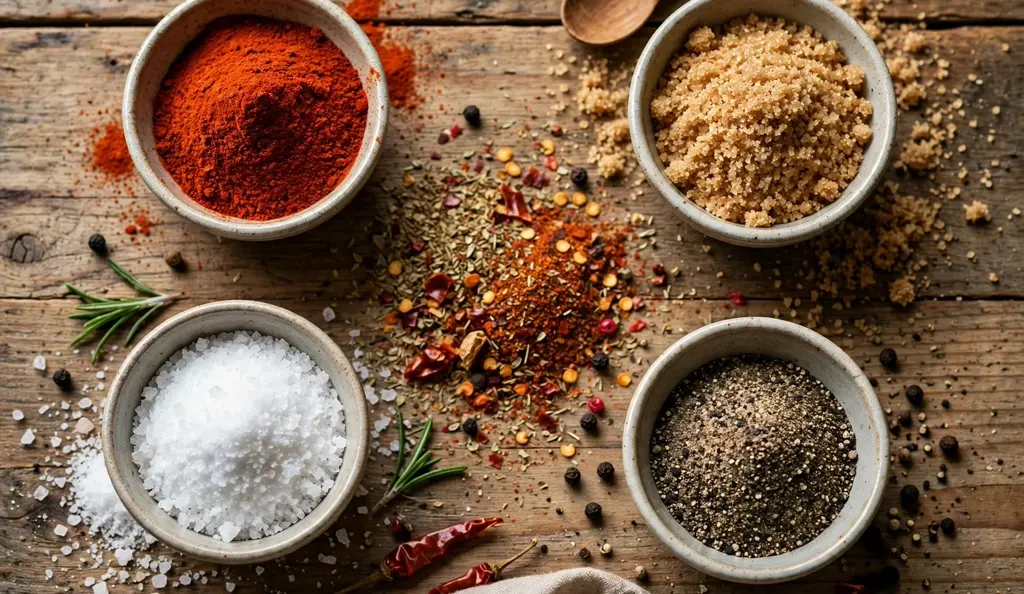
This rub is sweet, smoky, and a little spicy. Brown sugar builds the caramel crust. Smoked paprika brings the smoke. Mustard powder adds tang. Cinnamon is the secret: just half a teaspoon makes people ask what your trick is.
Prep time: 5 minutes. Cook time: 0 minutes. Yield: about 2/3 cup, enough for 2 racks of ribs. Diet: naturally gluten free, dairy free, vegan.
Ingredients
- 1/3 cup packed brown sugar
- 2 teaspoons kosher salt
- 2 teaspoons smoked paprika
- 2 teaspoons coarse black pepper
- 1 teaspoon garlic powder
- 1 teaspoon onion powder
- 1 teaspoon ground mustard
- 1/2 teaspoon ground cinnamon
- 1/2 teaspoon celery seed
- 1/4 teaspoon cayenne pepper (use 1/2 teaspoon if you like heat)
Method
- Add every ingredient to a small bowl.
- Whisk for 30 seconds until the color looks even. Break up any brown sugar lumps with a fork.
- Taste a pinch. Want more heat? Add cayenne, a quarter teaspoon at a time. Want more smoke? Add smoked paprika, half a teaspoon at a time.
- Use it right away, or funnel it into a clean glass jar with a tight lid.
Why This Barbecue Rib Rub Works
Great rubs follow a ratio, not a random list. Think in four parts: sweet, salt, smoke, and heat. The brown sugar (sweet) melts into a crust called bark. The salt pulls flavor deep into the meat. Smoked paprika and garlic (smoke and savor) give the barbecue character. Cayenne and black pepper (heat) keep it from tasting flat. If you remember sweet, salt, smoke, heat, you can rebuild this rub from memory forever.
A note on brown sugar lumps
Brown sugar clumps when it meets air. Lumps in your rub cause dark spots on the ribs. Sift the sugar through a small strainer before mixing, or pulse the finished rub in a food processor for ten seconds. If your brown sugar has turned into a brick, our guide on how to soften brown sugar fixes it in minutes.
How Much Barbecue Rib Rub Per Rack (And How to Apply It)
Use about 1/3 cup of rib rub per full rack of ribs, which is roughly 5 tablespoons. Coat both sides. Most beginners under-season. Ribs are thick, so be generous.
Start by removing the membrane from the bone side of the ribs. Slide a butter knife under the thin silvery layer at one end, grip it with a paper towel, and pull it off in one sheet. The membrane blocks flavor and turns chewy when cooked.
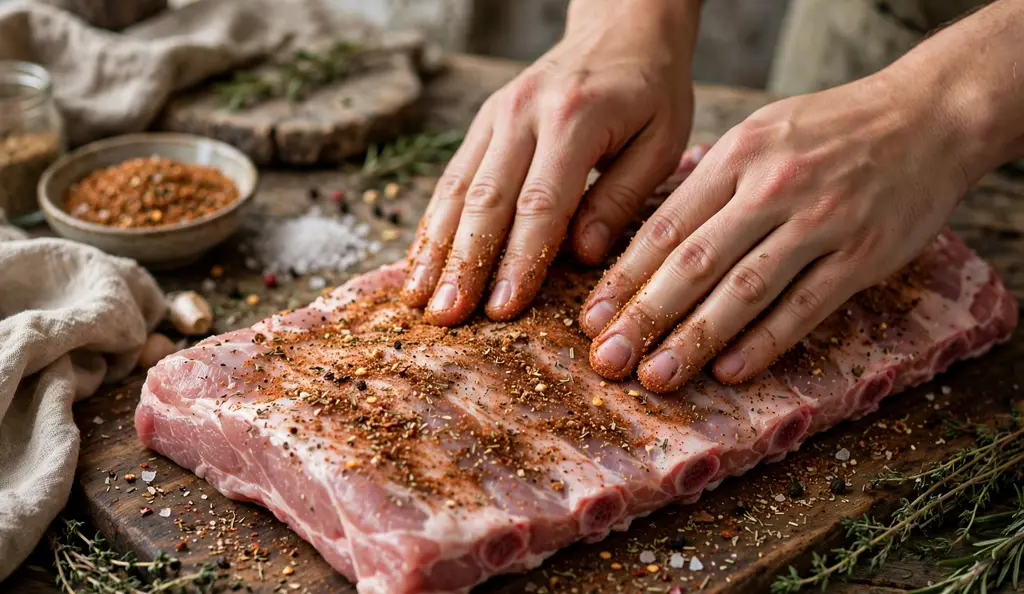
Pat the ribs dry with paper towels. Sprinkle the rub from about 12 inches above the meat so it lands evenly. Press it gently into the surface with your palms. Do not scrub or grind it in; hard rubbing makes the sugar clump and tear the meat surface.
Let the seasoned ribs rest. Thirty minutes at room temperature is the minimum. Two to four hours in the fridge is better. Overnight is best. During the rest, the salt dissolves and pulls the spice flavors into the meat. Cover the ribs loosely with plastic wrap if they go in the fridge.
How to Cook Ribs With This Barbecue Rib Rub (Easy Oven Method)
You do not need a smoker to get great ribs. This oven method gives you tender meat with a real crust, using the rub you just made.
- Heat your oven to 275°F (135°C). Line a rimmed baking sheet with foil.
- Place the rubbed ribs meat-side up on the sheet. Cover the pan tightly with a second sheet of foil. This traps steam and keeps the ribs moist.
- Bake for 2 hours. The meat will start pulling back from the bone ends.
- Carefully unwrap. The ribs are pale now; the color comes next.
- Turn the oven up to 400°F (200°C). Bake uncovered for 20 to 25 minutes until the outside turns deep mahogany and the edges crisp.
- Rest the ribs on a cutting board for 10 minutes before slicing. Cutting too soon lets the juices run out.
For smoker owners: run your Weber or pellet smoker at 225°F, smoke the rubbed ribs for 3 hours, wrap in foil with a splash of apple juice for 2 hours, then unwrap for 1 final hour. Same rub, deeper smoke flavor.
Want to serve these alongside a great steak night? This same sweet-salt-smoke-heat ratio works on beef too. See our guide to cooking a ribeye bone steak for a dry-rub approach on thicker cuts.
The 10-Second Rub Label Test (A Trick No Competitor Teaches)
Here is a label-reading method built only for rib rub. Run these four checks in order. If the jar fails any step, put it back.
Step 1: Look for a gluten-free claim first. Flip the jar. A “gluten-free” label means the FDA holds the product under 20 parts per million. A GFCO certification mark is even stronger, because it adds third-party testing. No claim? Keep reading.
Step 2: Scan for the obvious grains. Hunt for wheat, barley, rye, malt, malt flavoring, malt vinegar, brewer’s yeast, and soy sauce. These are direct gluten sources. One hit ends the test.
Step 3: Interrogate the vague words. “Natural flavors,” “spices,” “seasoning,” and “anti-caking agent” are legal hiding spots. Natural flavors can be built on barley malt. Anti-caking agents can be wheat starch. If a rub lists these with no gluten-free claim, treat it as guilty until the company proves otherwise. Big brands like McCormick publish allergen statements for many products, but the rules change per product, so check each jar, not each brand.
Step 4: Check the “may contain” line. “May contain wheat” or “made in a facility that processes wheat” signals shared-line risk. For someone with celiac disease, that is a real concern, not fine print. The Celiac Disease Foundation notes that celiac disease affects about 1% of the world’s population, roughly 3 million Americans, and most of them are undiagnosed. Many of those people would never connect a flare-up to a spice jar.
Why Restaurant and Backyard Rubs Are the Riskiest of All
Here is the uncomfortable part. A peer-reviewed study published in 2019 tested 5,624 restaurant foods labeled gluten-free and found gluten in 32% of them. Restaurant kitchens share scoops, cutting boards, and prep spaces. A restaurant’s house rub might be perfectly gluten free on paper and still pick up flour dust from the breading station two feet away.
This is why homemade wins twice. You control the ingredients, and you control the kitchen. When you eat ribs at a cookout, ask the host what went into the rub. Most backyard cooks have never read their rub’s label. Bring a small jar of your own homemade rub as a gift. Problem solved, friendship intact.
Barbecue Rib Rub Ingredients: Safe vs. Risky
Use this table when you shop for spices or judge a store-bought rub. Short version: single-ingredient spices are safe; blends and vague terms need proof.
| Ingredient | Verdict | Why |
|---|---|---|
| Brown sugar, salt, black pepper | Safe | Single-ingredient, naturally gluten free |
| Paprika, garlic powder, onion powder | Safe | Plain ground spices with no additives |
| Cinnamon, cumin, cayenne, mustard powder | Safe | Naturally gluten free as single spices |
| Wheat starch, malt flavoring | Risky | Direct sources of wheat and barley |
| “Natural flavors,” “spices” | Risky | Vague terms can hide barley malt |
| Soy sauce powder | Risky | Traditional soy sauce is brewed with wheat |
| Anti-caking agent (unnamed) | Risky | Can be wheat starch; check with maker |
| GFCO certified blend | Safe | Third-party tested under 10 ppm |
Can You Get Smoke Flavor Without a Smoker?
Answer: Yes. Smoked paprika is the easiest shortcut, and this rub already includes it. Add a little liquid smoke to the wrapping liquid, or finish the ribs under a hot broiler for 3 to 4 minutes to char the edges. These tricks will not fully replace a real smoker, but together they get you most of the way there.
Smart Swaps and Variations
Once you know the sweet-salt-smoke-heat ratio, this rub becomes a template. Try these changes one at a time so you can taste what each one does.
- No brown sugar? Use coconut sugar or white sugar plus 1 teaspoon of molasses per 1/3 cup. The molasses brings back the caramel depth.
- Watching sodium? Cut the kosher salt in half and add 1 extra teaspoon of smoked paprika. You keep the flavor volume with less salt.
- No celery seed? Swap in 1/2 teaspoon of dill seed or simply skip it. The rub still works.
- Kansas City style: Double the brown sugar and add 1 teaspoon of chili powder for a sweeter, thicker crust.
- Texas style: Cut the sugar in half, double the black pepper, and add 1 teaspoon of ground cumin. Pepper leads, sugar follows.
- Extra smoky: Replace half the smoked paprika with chipotle powder. This adds both smoke and real heat.
A quick word on salt types: kosher salt, sea salt, and table salt measure differently by volume. If you swap salts, read our breakdown of the difference between sea salt and table salt so your rub stays balanced.
How to Store Your Barbecue Rib Rub
Store the rub in an airtight glass jar in a cool, dark pantry. It stays fresh for up to 6 months. Ground spices lose punch over time, so write the date on the lid with a marker. If the rub smells faint or dusty instead of sharp and sweet, mix a fresh batch.
Keep moisture out. Brown sugar hardens when air gets in, and a damp rub clumps on the meat. A small food-safe silica packet in the jar helps in humid kitchens. Never store the jar above the stove, where heat and steam age spices fast.
Planning a full cookout? Ribs love company. A cold gluten-free beer pairs well with smoky, sweet ribs, and it keeps the whole menu safe for gluten-free guests. If you have celiac disease or a gluten disorder and feel unsure about any product mentioned here, check with your doctor or a registered dietitian.
Barbecue Rib Rub FAQs
Is barbecue rib rub gluten free?
Homemade barbecue rib rub made from single spices is naturally gluten free. Store-bought blends are not automatically safe. Only trust jars with a gluten-free label or third-party certification, and always read the full ingredient list.
What is in a barbecue rib rub?
Most recipes combine brown sugar, salt, paprika, black pepper, garlic powder, onion powder, and cayenne. Regional styles add mustard powder, cumin, chili powder, or cinnamon. The core ratio is sweet, salt, smoke, and heat.
How much barbecue rib rub do I need for one rack of ribs?
Use about 1/3 cup, roughly 5 tablespoons, per full rack. Coat both sides generously. This recipe makes 2/3 cup, which covers two racks with a little left over.
How long should rib rub sit on ribs before cooking?
Give it at least 30 minutes. Two to four hours in the fridge gives deeper flavor. Overnight is best for thick spare ribs, since the salt needs time to work into the meat.
Do I put rib rub on before or after cooking?
Always before. The rub needs heat and time to melt into the bark, the caramelized crust on the outside. Adding dry spices after cooking leaves a raw, powdery taste.
Can I use rib rub on chicken or pork shoulder?
Yes. This rub works on chicken thighs, pork shoulder, and even grilled shrimp. Reduce the amount on thinner cuts so the salt does not overpower the meat.
Does McCormick rib rub contain gluten?
It depends on the exact product. McCormick labels many single-ingredient spices as gluten free, but seasoning blends vary by recipe and factory. Check the specific jar you are holding, every time you buy it, because formulas change.
What is the difference between a dry rub and a marinade?
A dry rub is a blend of dry spices pressed onto the meat’s surface. A marinade is a liquid the meat’s surface. A marinade is a liquid the meat soaks in. Rubs build a crust; marinades add moisture. For ribs, a rub alone gives the classic barbecue bark.
Why is my rib rub not sticking to the ribs?
Wet meat repels dry spices. Pat the ribs fully dry with paper towels first. A paper-thin coat of yellow mustard as a binder also helps the rub grip, and the mustard flavor cooks off.
How long does homemade rib rub last?
Up to 6 months in an airtight jar in a cool, dark pantry. Date the lid. If the rub smells weak or looks faded, the spices have lost their punch and it is time for a fresh batch.
Can I make rib rub without sugar?
Yes. Replace the brown sugar with the same volume of coconut sugar, or skip sweetener and double the smoked paprika. Sugar-free rubs brown less, so expect a lighter crust.
Is smoked paprika gluten free?
Plain smoked paprika with one ingredient is naturally gluten free. Problems only appear in blends that add anti-caking agents or flavorings. Buy single-ingredient paprika from a trusted brand.
What temperature do you cook ribs with dry rub?
Cook low and slow: 275°F in the oven for about 2 hours covered, then uncovered at 400°F for 20 to 25 minutes. On a smoker, 225°F for roughly 6 hours total works well.
Should I wrap ribs in foil?
Wrapping in foil for part of the cook, often called the Texas crutch, speeds up cooking and keeps ribs juicy. Unwrap for the final stretch so the rub crust firms up and crisps.
The Bottom Line
A homemade barbecue rib rub takes five minutes, costs less than a store jar, and removes every gluten question. You now know the exact recipe, the sweet-salt-smoke-heat ratio behind it, how much to use per rack, and how to cook the ribs start to finish. You also know the four-step label test that catches hidden wheat, barley malt, and vague “natural flavors” in any store-bought rub. As of October 2026, labels still change without warning, so keep reading every jar and keep mixing your own. Your ribs, and your gluten-free guests, will taste the difference. Learn more about the condition behind all this care on celiac disease.