Gluten Free Dessert: The Complete Safe Sweets Guide
You want a gluten free dessert that tastes like a real dessert, not a sad substitute. As of October 2026, that is easier than ever. A gluten free dessert is simply any sweet treat made without wheat, barley, rye, or ingredients that carry gluten. It can be homemade or store-bought, baked or no-bake, fancy or five minutes. This guide shows you every type, the safest brands, the flour swaps that actually work, and the label tricks that keep people with celiac disease safe.
Picture a dad in Lahore who just learned his daughter has celiac disease. It is her birthday next week, and he is scared the cake will make her sick. He does not need a 40-recipe list. He needs to know which desserts are safe, what to bake, what to buy, and how to read a label in seconds. That is exactly what this article delivers.
In the next few minutes you will learn the three types of gluten free dessert, the flour guide for baking, the best store brands in October 2026, the mistakes that sneak gluten into sweets, and a 30-second label scan you can use in any grocery aisle.
What Is a Gluten Free Dessert?
A gluten free dessert is any sweet dish made without gluten, the protein found in wheat, barley, rye, and triticale. It can be naturally gluten free, like fruit or custard, made with gluten-free flour, or bought in a package that carries a gluten-free label. Always check the label, because recipes and factory lines change over time.
Notice one important detail. “Wheat-free” is not the same as “gluten-free.” A dessert can be wheat-free and still contain barley or rye, which both contain gluten. If a package only says wheat-free, do not assume it is safe. Look for the words “gluten-free” on the label, or check every ingredient yourself.
The 3 Types of Gluten Free Dessert (And When to Use Each)
Every gluten free dessert falls into one of three groups. Knowing the group helps you judge safety in seconds.
| Type | Examples | Safety notes | Best for |
|---|---|---|---|
| Naturally gluten free | Panna cotta, fruit salad, rice pudding, meringue | Safe if made at home with clean tools; watch added toppings | Parties and beginners |
| Flourless homemade bakes | Flourless chocolate cake, pavlova, macarons, almond cookies | Use certified gluten-free oats; clean pans and bowls well | Home bakers |
| Certified packaged desserts | Gluten-free cookies, brownies, cake mixes, ice cream | Look for a gluten-free label; certified products test under 20 ppm | Quick snacks and gifts |
The FDA rule helps here. The U.S. Food and Drug Administration says any food labeled gluten-free must contain less than 20 parts per million of gluten. The rule was issued in 2013 and enforced from August 2014. Twenty parts per million is the smallest amount labs can reliably measure, and most people with celiac disease tolerate this tiny level.
Certified products go one step further. The Gluten-Free Certification Organization, or GFCO, is an independent body that tests products before they can use its mark. A GFCO mark means extra testing, not just a promise on the box.
Naturally Gluten Free Dessert Ideas Anyone Can Make
The easiest gluten free dessert needs no special flour at all. These sweets were never built on wheat in the first place.
Chilled and No-Bake Sweets
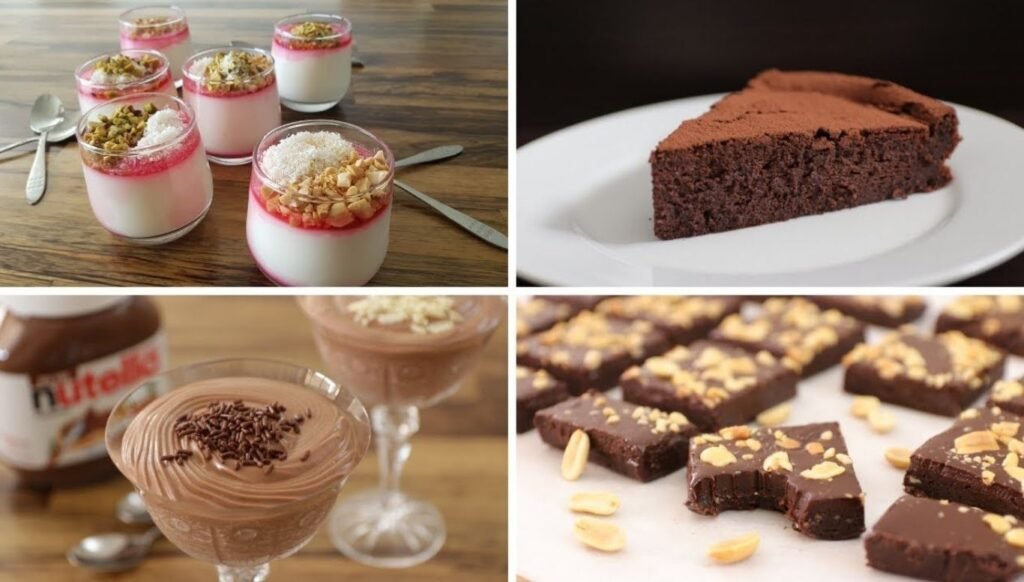
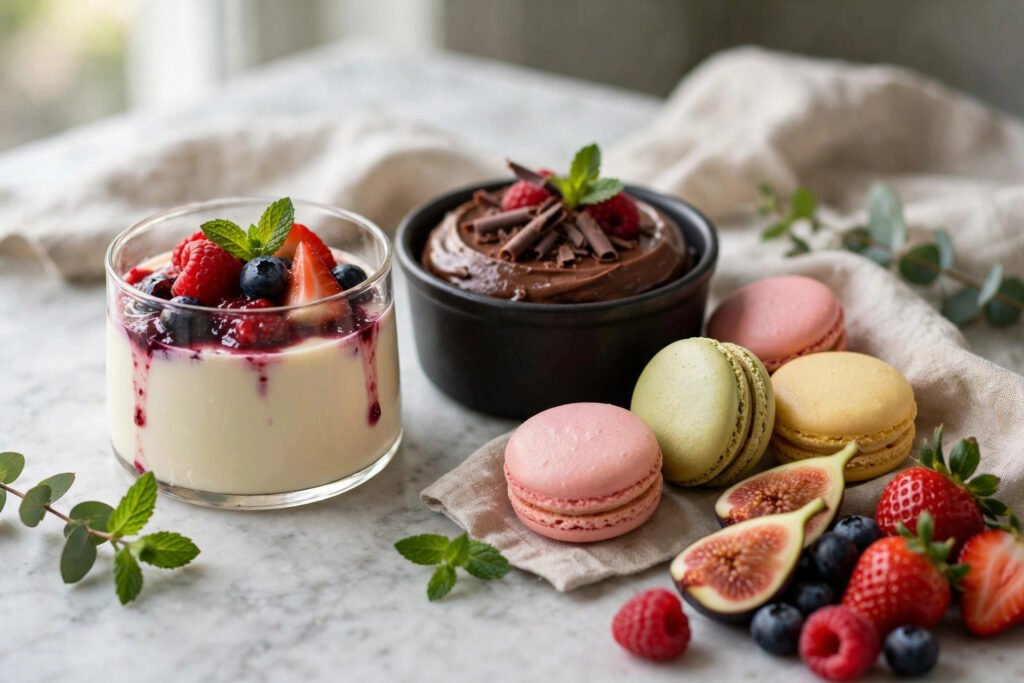
Panna cotta is cream, sugar, and gelatin, set in the fridge until silky. It takes ten minutes of work and looks like a restaurant dessert. Chocolate mousse is another winner. Melt dark chocolate, fold it into whipped cream, and chill. Both are naturally gluten free when you use plain ingredients.
Tiramisu-style layered cups also work. Use certified gluten-free ladyfingers or skip them and layer mascarpone cream with berries instead. No oven, no stress, and guests never ask what is missing.
Custards, Creams, and Baked Fruit
Creme brulee is just cream, egg yolks, sugar, and vanilla with a torched sugar top. Rice pudding is comfort in a bowl. Both are naturally gluten free dessert classics that cost very little to make. A creamy gluten free cheesecake made with a nut or certified gluten-free crust fits this group too, and it slices beautifully for birthdays.
Baked fruit is the most underrated option. Core apples, fill them with butter, brown sugar, and cinnamon, and bake until soft. Baked pears with maple syrup taste like autumn. Add a scoop of certified gluten-free ice cream and nobody misses cake.
Frozen Treats
Homemade popsicles are three ingredients: fruit, yogurt or juice, and a little honey. Blend, freeze in molds, and done. Sorbet is even simpler, just frozen fruit blended with a spoon of sugar. Ice cream is a great gluten free dessert, but always read the label. Some brands make their cookies-and-cream or brownie flavors on shared lines, which raises cross-contact risk.
How to Bake a Great Gluten Free Dessert at Home
Baking without wheat scares people. It should not. Gluten gives wheat dough its stretch, so gluten-free batters need a different plan, not a perfect copy.
Flour Swaps That Actually Work
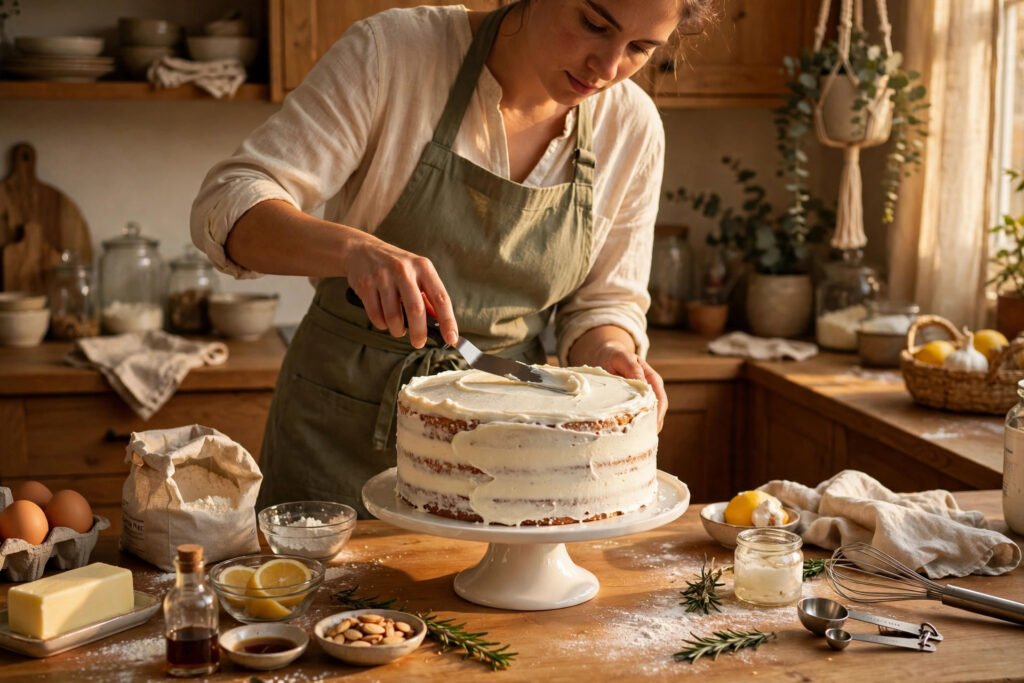
Start with a good all-purpose gluten-free flour blend. The best blends mix rice flour, tapioca starch, and potato starch with a little xanthan gum. Xanthan gum (a plant-based thickener) replaces the stretch that gluten used to provide. Swap the blend for wheat flour at a one-to-one ratio in most cake and cookie recipes.
Almond flour is a second hero. It is just ground almonds, and it makes moist, rich cakes and cookies. It works best in recipes built for it, like flourless chocolate cake or almond sugar cookies. Coconut flour is trickier. It drinks up liquid fast, so use less of it and add extra eggs.
For real depth on building these swaps into full bakes, see our gluten free dessert recipes collection with 15 tested recipes and exact ratios.
A Warning About Oats
Oats do not contain gluten by nature, but they are usually grown and processed next to wheat. That shared equipment coats regular oats with gluten. For any gluten free dessert, buy oats labeled gluten-free, and for celiac safety choose certified gluten-free oats.
When to Trust “Naturally Gluten Free” Ingredients
Plain rice flour, almond flour, and coconut flour are naturally gluten free, but factories can mix lines. If a bag does not say gluten-free, contact with wheat is possible. For baking you will serve to someone with celiac disease, always buy flours with a gluten-free label.
Do I Need Special Flour to Make a Gluten Free Dessert?
No, you do not always need special flour. Many great gluten free dessert options need none at all, including mousse, panna cotta, ice cream, meringues, and baked fruit. You only need gluten-free flour for baked goods like cake, cookies, and pie crust. A labeled gluten-free all-purpose blend replaces wheat flour cup for cup in most recipes.
Best Store-Bought Gluten Free Dessert Brands Worth Your Money
Some days you just want to buy dessert. These brands earn their shelf space.
Sweet Loren’s makes ready-to-bake cookie dough that is fully gluten free. Enjoy Life bakes cookies and bars in a dedicated facility free from gluten and the top allergens. So Delicious offers certified gluten-free frozen desserts for ice cream nights. Pamela’s sells baking mixes that many celiac families trust for birthdays.
Here is something new as of October 2026. Sweet Loren’s and Baked by Melissa teamed up for a limited-edition collection of fully gluten-free cookie cupcakes, available from October 1 to 31, 2026, and made in a dedicated gluten-free facility. It is a fun pick for Halloween parties, and it shows how fast this category is growing.
That growth is real. The global gluten-free food market was valued at about 9.28 billion dollars in 2025 and is expected to reach 14.42 billion dollars by 2030, growing around 9.3 percent a year. Those figures come from the Business Research Company, reported in an industry review released in June 2026. More demand means more choices on your shelf, but it also means you must read labels, because new products enter the market every month.
If you prefer to eat dessert out instead, read our guide on how to find a safe gluten free dessert near you before you order. Restaurants can be tricky, and that guide shows the questions that actually protect you.
The 30-Second Freezer Aisle Scan: Judge Any Boxed Dessert Before It Hits Your Cart
No competitor teaches this, and it is the most practical skill in this whole guide. Use it on any boxed brownie, cookie, or cake mix.
Spot 1: the front claim. Look for the words “gluten-free” printed on the front. A GFCO certification mark is even better. If the box only says “wheat-free,” put it back unless you check every ingredient.
Spot 2: the ingredient list. Scan for wheat, barley, rye, malt, brewer’s yeast, and wheat starch. Malt is the sneaky one. It hides in chocolate flavoring, caramel color, and some ice cream swirls. Wheat starch can be safe if the product is labeled gluten free, because the FDA allows it only when the final food stays under 20 parts per million.
Spot 3: the facility line. Read the fine print near the bottom. “Made in a facility that also processes wheat” is a warning, not a ban. For someone with celiac disease, choose products made in dedicated gluten-free facilities when you can. For a mild sensitivity, shared lines are often fine, but the choice is yours.
Thirty seconds, three spots, and you will shop with more confidence than most people who have done this for years.
7 Mistakes That Sneak Gluten Into Dessert
Even careful bakers get caught by these. Run through the list before your next bake.
1. Bulk bin flours. Open bins share scoops with wheat flour. Buy sealed bags with a gluten-free label instead.
2. Regular oats in crumbles and crisps. Standard oats carry wheat dust from shared farms and mills. Certified gluten-free oats are the only safe pick.
3. Malt in chocolate and flavoring. Malt comes from barley. Check chocolate chips, malted milk balls, and flavored syrups.
4. Shared toasters and baking trays. Crumbs from regular toast hide in toaster slots and on old trays. Use clean tools or dedicated ones.
5. Pie filling and canned fruit with thickeners. Some use wheat-based thickeners. Read the can, every time.
6. Decorations and sprinkles. Sprinkles, fondant, and wafer decorations can contain wheat starch. Check the package or buy certified ones.
7. “Homemade is automatically safe” thinking. A home kitchen that also bakes with wheat flour has flour dust everywhere. Wipe surfaces, wash bowls well, and bake the gluten free dessert first, before the wheat one.
A Quick Safety Note for People With Celiac Disease
Dessert should be joy, not risk. The Celiac Disease Foundation estimates that about 1 in 100 people worldwide have celiac disease, and around 2.5 million Americans with the condition are still undiagnosed. Beyond Celiac, a patient advocacy group, reminds the community that even small, repeated gluten exposures can keep the gut from healing.
If you have celiac disease or cook for someone who does, keep one rule above all. Naturally gluten free, labeled gluten free, and certified gluten free are three different safety levels. Certified is the strictest, labeled is the legal standard under the FDA’s 20 parts per million rule, and naturally gluten free still needs clean preparation. If you have symptoms or a family history, talk to your doctor or a registered dietitian before changing your diet.
Gluten Free Dessert FAQs
Is a gluten free dessert automatically healthy?
No. Gluten free means no gluten, not low sugar or low fat. A gluten free brownie can still be high in sugar and calories. Enjoy it as a treat, like any dessert.
Can I eat gluten free dessert if I do not have celiac disease?
Yes. Anyone can enjoy these desserts. Many people without celiac disease eat them for taste or variety. You do not need a medical reason to enjoy a flourless chocolate cake.
Is ice cream a gluten free dessert?
Plain flavors like vanilla, chocolate, and strawberry usually are. Flavors with cookie dough, brownies, or cake pieces are not. Always check the label, because brands change recipes.
Is chocolate gluten free?
Pure dark chocolate and most plain milk chocolate are gluten free. Watch out for malt flavoring, cookie bits, and wafer fillings. Certified gluten-free chocolate is the safest choice for celiac disease.
Are all oats gluten free?
Oats themselves have no gluten, but most are contaminated with wheat during farming and milling. Only oats labeled gluten-free are safe, and certified gluten-free oats are best for celiac disease.
What is the best gluten-free flour for desserts?
A labeled all-purpose gluten-free blend with xanthan gum works for most cakes and cookies. Almond flour gives rich, moist results in recipes designed for it. Avoid single flours like plain rice flour for delicate cakes, since the texture turns gritty.
Is cheesecake gluten free?
The filling usually is, since it is cream cheese, eggs, and sugar. The crust is the problem. Graham cracker crusts contain wheat. Use a nut crust or certified gluten-free cookie crust instead.
Can I order gluten free dessert at a restaurant?
Sometimes. Ask if the dessert is made in a gluten-free area and whether fryers or scoops are shared. Ice cream scooped with a shared scoop can pick up cookie bits. When in doubt, choose sealed packaged options.
Why does my gluten free cake taste gritty?
Gritty texture usually comes from rice-heavy flour blends or under-mixed batter. Let the batter rest for 20 to 30 minutes before baking. This gives the flours time to absorb liquid and softens the crumb.
Is powdered sugar gluten free?
Most brands are, but some add wheat starch to prevent clumping. Check the ingredient list for wheat starch or buy a brand that labels its sugar gluten free.
Are marshmallows gluten free?
Most plain marshmallows in the United States are gluten free, but recipes vary by country and brand. Check the label each time you buy, especially for flavored or seasonal marshmallows.
How long does gluten free dessert stay fresh?
Most gluten-free baked goods dry out faster than wheat versions. Store them airtight at room temperature for two days, or freeze for up to three months. Custards and mousses keep three to four days in the fridge.
Can I convert any dessert recipe to gluten free?
Almost any, with limits. Cakes, cookies, and quick breads convert well with a one-to-one blend. Flaky pastries and chewy breads are harder, since they depend on gluten’s stretch. Start with forgiving recipes like brownies and muffins, which stay soft and tender without wheat.
The Sweet Takeaway
A gluten free dessert is not a compromise. It is a full category with its own classics, from silky panna cotta to rich flourless chocolate cake to certified store brands that keep getting better. As of October 2026, store shelves hold more safe choices than ever, and home baking is easier with today’s flour blends.
Remember the three levels: naturally gluten free, labeled gluten free, and certified gluten free. Use the 30-second aisle scan, watch the seven sneaky mistakes, and keep certified oats in your pantry. For more ideas, browse our best gluten free desserts guide and our cozy gluten free banana loaf that stays moist for seven days.
Bake one this weekend, share it proudly, and watch nobody guess what is missing.
For background on the condition that makes gluten-free eating a medical need, read about celiac disease.