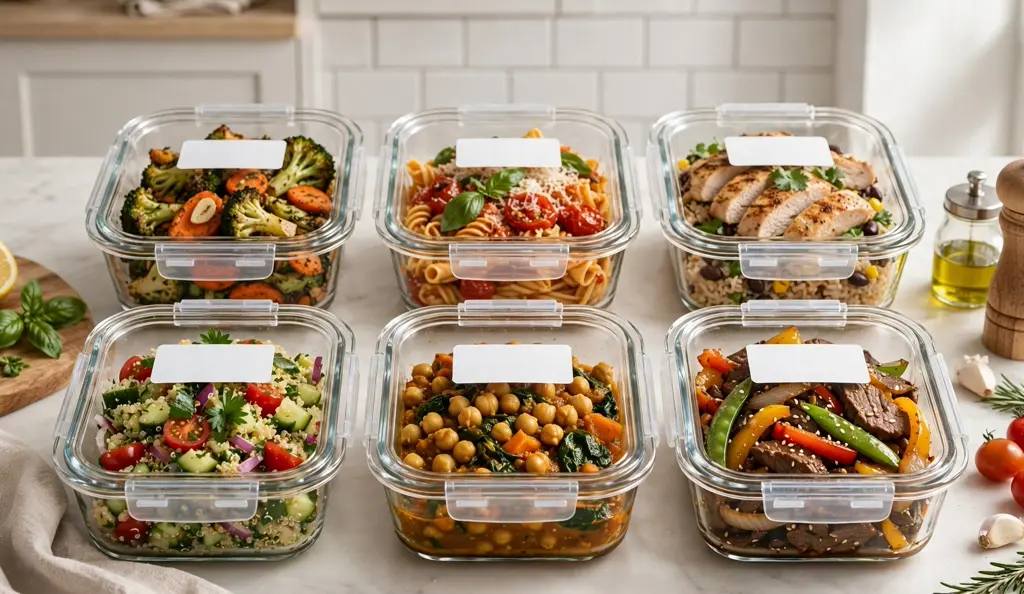
Most cooked leftovers last 3 to 4 days in the fridge, according to USDA FSIS guidance. Refrigerate them within 2 hours of cooking, keep the fridge at 40°F (4°C) or below, and reheat to 165°F (74°C) before eating. Some foods like fish and opened deli meat are safer within 2 days. In October 2026, these are the rules to follow.
You open the fridge on Thursday night and spot the chicken from Sunday. It looks fine. It smells fine. But is it safe? This guide answers how long do leftovers last in the fridge for every food you cook, how to store them right, and when to freeze instead. Read it once, and you will never guess again.
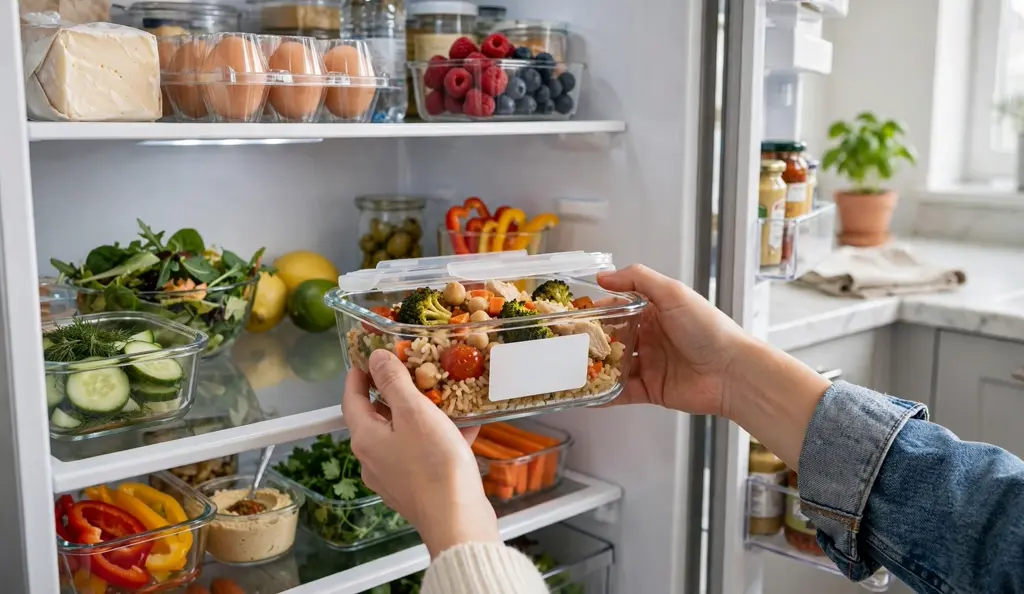
You will learn the 3 to 4 day rule, the 2-hour rule, a food-by-food storage chart, a fridge map for meal preppers, gluten-free storage tips, and safe reheating steps. Every fact comes from a named source you can check.
How Long Do Leftovers Last in the Fridge? The 3 to 4 Day Rule
The short answer is simple. Most cooked leftovers last 3 to 4 days in the fridge. The USDA FSIS, the US agency that sets food safety rules, gives this window. It assumes the food went into the fridge within 2 hours of cooking and the fridge stays at 40°F (4°C) or below.
Why not longer? Your fridge slows bacteria. It does not stop them. Food between 40°F and 140°F sits in the danger zone, where bacteria double fast. Even in the cold, they keep growing, just slowly. By day 5, the levels in cooked meat can reach a risky point.
These numbers are serious. CDC estimates show that each year in the United States, about 48 million people get sick, 128,000 are hospitalized, and 3,000 die from foodborne diseases (CDC, Emerging Infectious Diseases, January 2011). Worldwide, WHO estimated that nearly 600 million people fall ill from contaminated food each year and 420,000 die, including 125,000 children under 5 (WHO, December 2015). Good storage habits prevent many of these cases.
The 2-Hour Rule: Cool It Fast
The 2-hour rule is the second rule to know. Cooked food must go into the fridge within 2 hours of cooking. On a hot day above 90°F (32°C), the limit drops to 1 hour. This rule matters most for rice, meat, and dairy dishes.
Here is the fastest way to cool food:
- Split big batches into shallow containers, no more than 2 inches deep.
- Leave lids loose for the first 30 minutes so steam escapes, then seal tight.
- Spread cooked rice on a tray so it cools in under an hour.
- Never put a giant hot pot in the fridge. It warms everything around it.
Label each container with the food name and date. A small piece of masking tape works. This one habit ends the “is this still good?” guessing game.
Storage Times by Food: The Quick Chart
As of October 2026, the times below follow USDA FSIS and FDA cold storage guidance. All assume food was chilled within 2 hours. Freezer times are for best quality, not safety, because frozen food stays safe indefinitely.
| Food | Fridge | Freezer |
|---|---|---|
| Cooked chicken or turkey | 3 to 4 days | 2 to 4 months |
| Cooked beef, pork, or lamb | 3 to 4 days | 2 to 3 months |
| Cooked fish or shellfish | 1 to 2 days for best safety, 3 to 4 max | 2 to 3 months |
| Soups and stews | 3 to 4 days | 2 to 3 months |
| Pizza | 3 to 4 days | 1 to 2 months |
| Cooked pasta | 3 to 4 days | 1 to 2 months |
| Cooked rice | 1 day (NHS guidance) | 1 to 2 months |
| Cooked vegetables | 3 to 4 days | 8 to 12 months |
| Opened deli meat | 3 to 5 days | 1 to 2 months |
| Hard-boiled eggs (shelled) | 1 week | Do not freeze |
| Casseroles | 3 to 4 days | 2 to 3 months |
| Opened sauces and salsa | 5 to 7 days | 2 to 3 months |
Cooked rice needs extra care. It can carry Bacillus cereus, a germ that survives cooking. The UK’s National Health Service (NHS) advises keeping cooked rice in the fridge for no more than 1 day and reheating it only once. Cool rice within 1 hour of cooking. This rule protects against “fried rice syndrome,” a fast and unpleasant food poisoning.
Hard-boiled eggs keep a full week in the shell. If you are unsure about eggs in general, read our guide on how long eggs last in the fridge.
Can You Eat Leftovers After 5 Days?
Most cooked leftovers should not be eaten after 5 days in the fridge. The USDA FSIS sets the safe window at 3 to 4 days. By day 5, bacteria such as Listeria can reach risky levels even if the food looks and smells fine. Freezing leftovers before day 4 is the safe option. When in doubt, throw it out.
Many people stretch the rule because the food smells normal. That is a gamble. Listeria monocytogenes, a germ that causes the illness listeriosis, can grow in the fridge and has no smell. Pregnant women, older adults, and people with weak immune systems face the highest risk. If your leftovers hit day 5, the trash is the safest choice.
Gluten-Free Leftovers Need Extra Care
Gluten-free leftovers follow the same storage times. But they need one extra habit: cross-contact care. Cross-contact (when gluten touches a gluten-free food by accident) can happen right inside your fridge.
Use separate, sealed containers for gluten-free food. Do not store gluten-free bread in the same box as regular bread. Crumbs travel. Wash containers with soap and hot water before refilling them. Label containers “GF” so no one mixes them up.
Texture needs care too. Gluten-free pizza and bread dry out fast in the fridge. Wrap them tight and reheat gently with a splash of water to keep them soft. Leftover party food is a common risk. See our gluten-free appetizers guide for party-safe ideas that store well.
Food storage touches health, so if you have celiac disease or a gluten sensitivity, check with your doctor or a registered dietitian about what is safe for you.
The Sunday Meal-Prep Fridge Map
Meal preppers cook on Sunday and eat through Thursday. That pushes the 3 to 4 day window to its edge. In October 2026, smart preppers use a fridge map so every container sits in the right zone.
Your fridge has warm and cold spots. The door is the warmest spot because it opens often. The bottom shelf is the coldest. Use this map:
- Top shelf: ready-to-eat leftovers you will eat in 1 to 2 days.
- Middle shelf: leftovers for days 3 to 4, clearly dated.
- Bottom shelf: raw meat and fish, sealed, so juices cannot drip on your leftovers.
- Door: condiments and sauces only, never leftovers.
- Crisper drawers: fruits and vegetables, not cooked food.
Freeze Thursday’s meal on Sunday night if you will not eat it by Wednesday. A fridge thermometer costs little and tells you if your fridge truly stays at 40°F. Many fridges run warmer than the dial says.
How to Reheat Leftovers So They Are Safe
Reheating brings leftovers back to a safe temperature. The target is 165°F (74°C) all the way through. Use a food thermometer for thick pieces like chicken thighs. Stir soups and stews halfway through so no cold spot survives.
Does Reheating Kill All the Bacteria in Leftovers?
Reheating leftovers to 165°F (74°C) kills most harmful bacteria, according to USDA guidance. But it does not make spoiled food safe. Some bacteria leave behind heat-resistant toxins that reheating cannot destroy. This is why storage time matters more than reheating. Food past its safe window belongs in the trash, not the microwave.
This is why the storage clock matters more than the microwave. Reheat within the safe window, and you are fine. Past the window, no amount of heat fixes it. Never reheat the same leftovers more than once.
Reheat on the Stove
Bring soups and stews to a full boil. Heat sauces and casseroles in a covered pan on medium heat, stirring often. Add a splash of water or broth to keep food from drying out.
Reheat in the Microwave
Cover the dish with a damp paper towel. Heat, stir halfway through, then check that the food is steaming hot throughout. A thermometer reading of 165°F in the thickest spot confirms it is done.
How to Tell If Leftovers Have Gone Bad
Trust the clock first. If the food is past its window, toss it. The sniff test fails because harmful germs often have no smell or color. You can smell spoilage, but you cannot smell safety.
Still, watch for these signs: sour or off smell, slimy film on meat, mold spots, color changes, or a bloated lid on a sealed container. If you see any of these, throw the food out right away. When in doubt, throw it out.
When to Freeze Leftovers Instead
If you will not eat leftovers within 4 days, freeze them on day 1 or 2. Frozen leftovers stay safe for months, though taste is best within 2 to 3 months. Use freezer bags or containers, squeeze out air, and label with the name and date.
Freeze in meal-size portions so you thaw only what you need. Thaw in the fridge overnight, not on the counter. Once thawed, eat within 3 to 4 days and never refreeze. Dairy follows the same idea. Our guide on freezing milk shows how one dairy staple handles the freezer.
WRAP, the UK food waste charity, reported that an average UK household of four throws away food worth about 1,000 pounds each year (WRAP, March 2024). Freezing leftovers on time saves money and cuts this waste.
FAQs About Leftover Storage
How long do leftovers last in the fridge?
Most cooked leftovers last 3 to 4 days in the fridge. Chill them within 2 hours of cooking and keep the fridge at 40°F or below. Cooked rice is the exception: keep it just 1 day.
Can you eat leftovers after 7 days?
No. Seven days is well past the safe window. Even at 40°F, bacteria like Listeria keep growing slowly. Food that old belongs in the trash, no matter how it looks or smells.
Do leftovers need to be reheated before eating?
Cold dishes like pasta salad are fine cold if they were stored safely. Hot dishes should be reheated to 165°F. When in doubt, reheat. Heat is cheap insurance.
Can you freeze leftovers after 3 days in the fridge?
Yes, but only if the food is still within its safe window. Freeze by day 3 or 4 at the latest. Freezing does not reset the clock, it only pauses it.
Is it safe to eat leftovers cold?
Yes, if the food was chilled within 2 hours and is still within its storage window. Cold pizza, pasta salad, and cooked chicken are all fine. Bring them out of the fridge and eat within 2 hours.
How long does cooked chicken last in the fridge?
Cooked chicken lasts 3 to 4 days in the fridge. Store it in shallow, sealed containers and reheat to 165°F. Chicken in sauce follows the same rule.
How long does cooked rice last in the fridge?
Cooked rice should be eaten within 1 day, according to NHS guidance. Cool it within 1 hour of cooking and reheat it only once. Rice carries a tough germ called Bacillus cereus that survives cooking.
How long does pizza last in the fridge?
Pizza lasts 3 to 4 days in the fridge. Store slices in a sealed container, not the box, to stop them drying out. For homemade slices, our gluten-free pizza recipe reheats well with a splash of water in a hot pan.
Can you reheat leftovers twice?
No. Reheat leftovers only once. Each cooling and reheating cycle gives bacteria another chance to grow. Take out only the portion you will eat.
Should you let leftovers cool before putting them in the fridge?
Yes, but only briefly. Let food cool for 20 to 30 minutes, then refrigerate. Do not wait longer than 2 hours. Shallow containers speed cooling safely.
How long do leftovers last in the freezer?
Frozen leftovers stay safe indefinitely, but taste best within 2 to 3 months. Meat soups and stews hold up best. Mayo-based salads and hard-boiled eggs do not freeze well.
How long does guacamole last in the fridge?
Homemade guacamole lasts 1 to 2 days in the fridge. Press plastic wrap directly on the surface to slow browning. Our foolproof guacamole recipe includes a tip for keeping it green longer.
Can gluten-free leftovers get contaminated in the fridge?
Yes, through cross-contact. Crumbs from regular bread can land in gluten-free containers left open or loosely covered. Always use sealed, labeled containers and store gluten-free food above regular bread, never below it.
The Bottom Line
Leftovers stay safe for 3 to 4 days in the fridge, or 1 day for cooked rice. Chill food within 2 hours, keep the fridge at 40°F, and reheat to 165°F. Map your fridge by zone, date every container, and freeze anything you will not eat in time. Gluten-free leftovers need sealed, labeled containers to avoid cross-contact. These simple habits, checked and updated for October 2026, protect your family and your budget. Good leftovers are planned leftovers. Save this chart on your fridge door, and your leftovers will always feel under control.
Read more about foodborne illness and how it spreads.