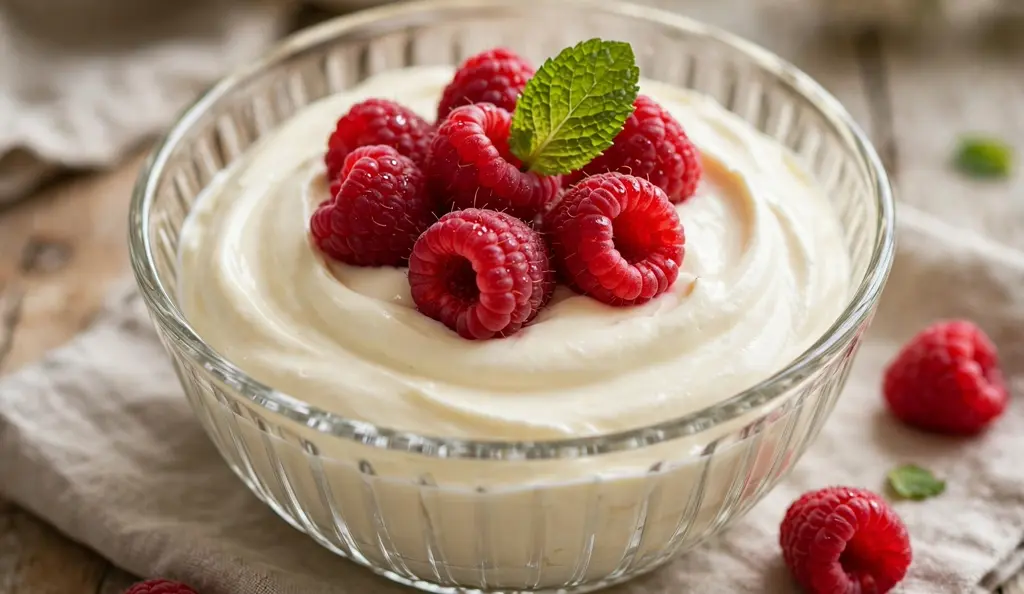
Mascarpone Cream: The Silky 10-Minute Recipe Guide
Mascarpone cream is a sweet, velvety dessert cream made from mascarpone cheese, whipped cream, and sugar. It is the star filling in tiramisu and takes only 10 minutes to make at home. Plain mascarpone cream is naturally gluten free, but flavored store-bought versions need a quick label check. This October 2026 guide gives you the recipe, the gluten-free truth, and every trick for a silky result.
If you have ever tasted tiramisu in an Italian restaurant, you already know mascarpone cream. It is the cloud-like layer between the coffee-soaked biscuits. Today you will learn what mascarpone cream really is, how to make it two ways (classic Italian and quick eggless), whether it is safe for a gluten-free diet, and how to fix the one mistake that ruins it. No prior baking skill needed.
What Is Mascarpone Cream, Really?
Mascarpone cream (pronounced mas-kar-POH-nay) is a sweetened mixture of mascarpone cheese, lightly whipped cream, and sugar. Mascarpone itself is an Italian fresh cream cheese made by adding citric acid to heavy cream, which thickens it without rennet.
The cheese comes from the Lombardy region of northern Italy, where dairy makers have produced it since the 1500s. It has roughly double the fat of American cream cheese, which gives it a buttery, mild flavor with no tang. When you fold softened mascarpone into whipped cream with a little powdered sugar, you get mascarpone cream: stable, spoonable, and rich enough to hold its shape for hours.
Confusingly, the phrase means two things. In Italy, “crema al mascarpone” often means the classic egg-yolk version used in tiramisu, made with a hot sugar syrup. In most home kitchens, it means the simpler eggless whip. Both count, and both are covered below.
Is Mascarpone Cream Gluten Free? The Honest Breakdown
Is mascarpone cream gluten free?
Yes. Plain mascarpone cream made at home from mascarpone cheese, cream, sugar, and vanilla is naturally gluten free. None of those ingredients contain wheat, barley, or rye. Flavored store-bought versions can contain additives or be made on shared lines, so always read the current label before serving someone with celiac disease.
Plain mascarpone cheese has just two real ingredients: cream and citric acid. That makes it naturally gluten free, with no hidden wheat anywhere in the process. This is why mascarpone cream is such a gift to gluten-free dessert lovers. You can build an entire dessert menu around it.
Still, three levels of safety matter here. “Naturally gluten free” means the ingredients have no gluten. “Labeled gluten free” means the package carries the claim, which under the FDA’s August 2013 final rule requires the food to test under 20 parts per million of gluten. “Certified gluten free” means a third party like the Gluten-Free Certification Organization audits the product regularly. For a tub of plain mascarpone from a brand like BelGioioso or Galbani, the natural recipe is already safe. For a flavored whipped mascarpone dessert cup, look for the actual claim on the package.
Cross-contact is the real risk, not the cheese itself. Some flavored dairy desserts run on shared production lines that also handle cookies, cakes, or cookie crumbs. A shared-line warning such as “may contain wheat” is a signal to pick a different tub if you cook for someone with celiac disease. Celiac disease affects 1 in 100 people worldwide, according to the Celiac Disease Foundation’s March 2026 report, so this caution matters at any shared table. And as always, check the current label every time you buy, because manufacturers change recipes. If you are managing a new diagnosis, check with your doctor or a registered dietitian before changing your diet.
The Classic Italian Method vs the 10-Minute Shortcut
Mascarpone cream has two legit versions. The classic Italian method uses egg yolks and a hot sugar syrup for a rich, custard-like cream. The shortcut skips eggs and whips everything in one bowl. Pick your path below.
The Classic: Crema al Mascarpone with Pâte à Bombe
This is the restaurant method, and it is worth learning. You whip egg yolks while a sugar syrup cooks to 121°C (250°F), then stream the syrup in. The heat pasteurizes the eggs and builds a thick, glossy base called pâte à bombe.
- 250 g mascarpone cheese, at room temperature
- 2 egg yolks, from fresh, trusted eggs
- 60 g (about 1/4 cup plus 2 tablespoons) sugar
- 40 ml water, for the syrup
- 1 teaspoon vanilla extract
Heat the sugar and water in a small pan to 121°C (250°F). Whip the yolks on high until pale and thick. Pour the hot syrup in a thin stream with the mixer running. Keep whipping until the bowl cools, about 8 to 10 minutes. Stir the mascarpone smooth in a separate bowl, then fold it in gently with the vanilla. Chill for one hour before using.
The Shortcut: Eggless Mascarpone Cream in 10 Minutes
This is the version most home bakers actually use. It is stable, pipes beautifully, and has no raw eggs, which makes it the safer pick for kids and pregnant guests.
- 225 g (1 cup) mascarpone cheese, well chilled
- 180 ml (3/4 cup) heavy whipping cream, cold
- 40 g (1/3 cup) powdered sugar
- 1 teaspoon vanilla extract
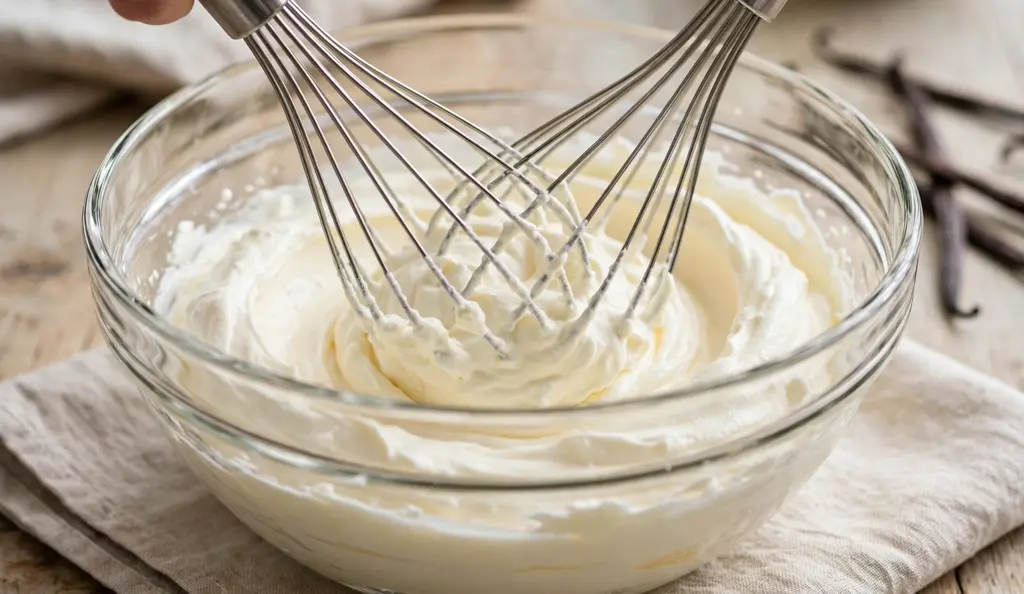
Whip the cold cream and powdered sugar to soft peaks. Stir the mascarpone with the vanilla in a separate bowl until smooth. Fold the mascarpone into the whipped cream in two additions. Stop the moment it turns thick and holds peaks. Chill until serving. This quick method is also the one taught in many dessert guides, including our own roundup of easy gluten free dessert recipes with exact ratios.
Can you make mascarpone cream without eggs?
Yes, and the eggless version is easier and safer. Whip cold heavy cream with powdered sugar to soft peaks, stir mascarpone smooth with vanilla in a separate bowl, then fold them together gently. Stop once the mixture holds firm peaks. Overbeating is the only real danger, since mascarpone’s high fat content can split into a grainy curd.
The Ingredients That Make or Break It
Quality shows. A good mascarpone brand like BelGioioso or Galbani gives a thicker, silkier cream than budget tubs, because the fat content is higher. Use powdered sugar, not granulated, for a smooth mouthfeel. Keep everything cold except the mascarpone itself, which blends best near room temperature. Our guide to how to make whipped cream with perfect peaks covers the same cold-bowl technique this recipe relies on.
Mascarpone Cream vs Cream Cheese vs Whipped Cream
People mix these up constantly. Here is the fast comparison so you always pick the right one.
| Cream | Fat | Flavor | Best use |
|---|---|---|---|
| Mascarpone cream | Very high | Rich, buttery, mild | Tiramisu, cake filling, fruit topping |
| Plain mascarpone | Very high | Rich, unsweetened | Savory sauces, cheesecake base |
| Cream cheese | Medium-high | Tangy, salty | Bagel spreads, frosting |
| Whipped cream | Medium | Light, sweet | Quick topping for pies and cocoa |
Mascarpone cream wins on stability. Plain whipped cream starts to weep within hours, but mascarpone cream holds its shape for a day or two because the cheese gives it body. Cream cheese tastes too sharp for tiramisu, so do not swap it one-for-one.
The One Mistake That Ruins Mascarpone Cream
Every failed batch traces back to the same error: overbeating. Mascarpone has so much fat that extra whipping pushes it past peaks and into a grainy, curdled mess. It happens fast, often in the last 15 seconds.
Fix 1: Chill the cream, warm the cheese
Cold cream whips faster and more evenly. Mascarpone at room temperature folds in without lumps. This temperature split is the whole secret.
Fix 2: Whip the cream only to soft peaks first
Beat the cream and sugar just until the whisk leaves soft trails. You finish the whipping after the mascarpone goes in, so starting soft gives you room.
Fix 3: Fold by hand at the end
Stir the mascarpone smooth with a spoon, then fold it into the cream with a spatula. Two or three extra folds past smooth is where batches split, so stop early.
Why Most Tiramisu Is NOT Gluten Free (Even Though Mascarpone Cream Is)
Here is the trap no competitor spells out clearly. The cream is safe, but classic tiramisu is built on ladyfingers, and ladyfingers are wheat flour by design. A verified ingredient listing for Divella Savoiardi ladyfingers shows wheat flour at roughly 50 percent of the product. The cream between the layers is the innocent part. The biscuit is the gluten bomb.
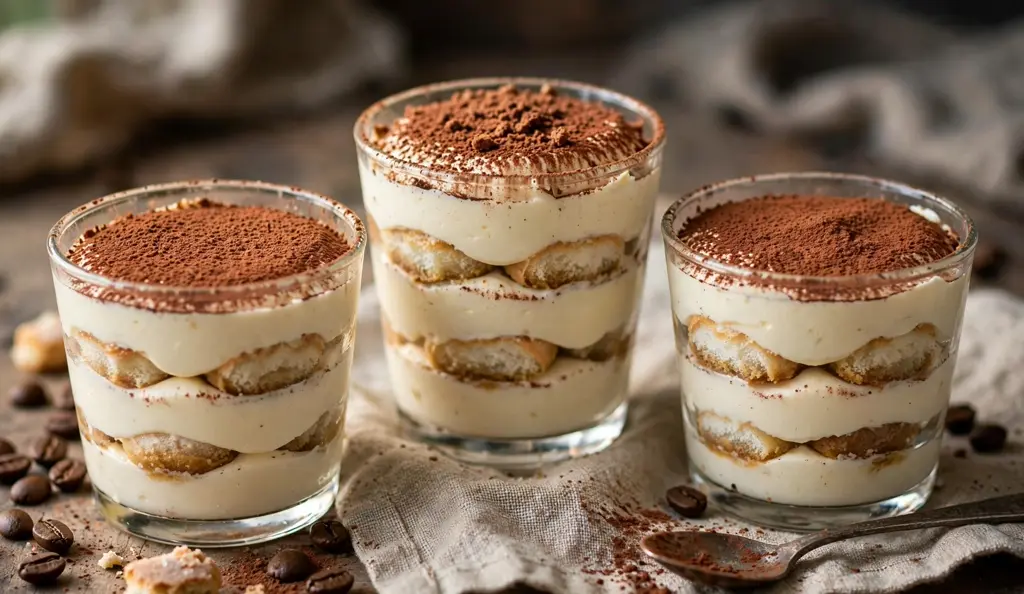
This matters because “tiramisu” feels like a mascarpone dessert, so people assume the whole thing shares the cream’s gluten-free status. It does not. If you want gluten-free tiramisu, keep the mascarpone cream exactly as written and swap the ladyfingers for a certified gluten free version or homemade gluten free ladyfingers.
The same logic applies to flavored mascarpone at the store. Do the 30-second label check: read the ingredient line for wheat, barley, rye, or malt, then look for a gluten-free claim. If the tub says “may contain wheat” and it is for a celiac guest, put it back and choose plain mascarpone instead. That check takes 30 seconds and saves a ruined dessert table.
How to Store Mascarpone Cream
Cover the bowl tightly or spoon the cream into a sealed container and refrigerate. The eggless version stays fresh for 2 to 3 days. The classic egg version keeps for 2 days. Stir gently before serving if any liquid settles.
Do not freeze mascarpone cream. Freezing splits the fat and turns it grainy on thawing. As of October 2026, no freezer method keeps the texture intact, so plan your dessert for fresh use, which it will be, because nobody leaves mascarpone cream behind.
9 Ways to Use Mascarpone Cream
This cream is far too good for tiramisu alone. Here are tested serving ideas, all naturally gluten free on their own.
- Fruit topping: Spoon over berries or grilled peaches for an instant dessert.
- Cake filling: Layer between gluten free sponge cakes. Our gluten free cheesecake recipe shows how mascarpone-style fillings behave in a chilled dessert.
- Cupcake frosting: Pipe onto gluten free cupcakes for a bakery-style finish.
- Ice cream companion: Serve alongside gluten free ice cream instead of whipped cream.
- Pancake topper: A quenelle on warm pancakes beats maple syrup for weekend brunch.
- Dessert dip: Serve as a dip with gluten free cookies or fresh fruit.
- Hot chocolate crown: Float a spoonful on cocoa for a café-style drink.
- Parfait layers: Alternate with crushed gluten free cookies in a glass.
- Eat it straight: Dust with cocoa and eat with a spoon. Browse our best gluten free desserts guide for more pairing ideas.
Mascarpone Cream: Your Questions Answered
Is mascarpone cream gluten free?
Yes. Plain mascarpone cream made from mascarpone, cream, sugar, and vanilla is naturally gluten free. Flavored commercial versions may contain additives or shared-line gluten, so read the label each time you buy.
Is BelGioioso mascarpone gluten free?
BelGioioso mascarpone is made from cream and citric acid with no gluten ingredients, so it is naturally gluten free. The brand does not carry a certified gluten-free seal on every tub, so if you need strict celiac safety, confirm the current package wording.
Can people with celiac disease eat mascarpone cream?
Plain homemade mascarpone cream is generally considered safe for celiac diets because its ingredients contain no gluten. Risk comes from flavored products and shared equipment, so check labels and keep utensils clean.
Does mascarpone cream contain eggs?
The classic Italian version does. The quick version does not. If raw eggs concern you, use the eggless shortcut or the pâte à bombe method, where the hot syrup pasteurizes the yolks.
How do you make mascarpone cream without eggs?
Whip cold heavy cream and powdered sugar to soft peaks. Stir mascarpone smooth with vanilla in a separate bowl. Fold the two together gently and stop at firm peaks. It takes about 10 minutes.
Can I use cream cheese instead of mascarpone?
You can in a pinch, but the flavor changes. Cream cheese is tangier and firmer, so your cream will taste like cheesecake frosting instead of tiramisu. Blend it with extra cream to soften the tang if you must.
How long does mascarpone cream last in the fridge?
The eggless version lasts 2 to 3 days in a sealed container. The egg version lasts 2 days. Keep it cold and stir gently before serving if liquid separates.
Can you freeze mascarpone cream?
No. Freezing breaks the emulsion and the cream turns grainy and watery after thawing. Make only what you will use within a few days.
Why did my mascarpone cream go grainy?
You overbeat it. Mascarpone’s high fat content curdles with too much whipping. Next time, whip the cream to soft peaks first, fold the mascarpone in by hand, and stop the moment it holds shape.
Is mascarpone cream the same as mascarpone cheese?
No. Mascarpone cheese is the plain unsweetened ingredient. Mascarpone cream is what you get after sweetening it and folding it with whipped cream, sometimes with eggs. One is an ingredient, the other is a finished dessert component.
Is tiramisu gluten free?
Almost never. Traditional tiramisu uses wheat-flour ladyfingers, which contain gluten. The mascarpone cream layer itself is gluten free. Make it gluten free by using certified gluten free ladyfingers or a homemade gluten free sponge.
What can I use mascarpone cream for?
Use it as a cake filling, fruit topping, cupcake frosting, parfait layer, dessert dip, or the filling in gluten-free tiramisu. It also works as a stable substitute wherever whipped cream would weep.
Is mascarpone cream lactose free?
No. Mascarpone is a dairy product and contains lactose. People with mild lactose intolerance sometimes tolerate it in small amounts, but it is not a lactose-free food.
How do you pronounce mascarpone?
Say mas-kar-POH-nay, with the stress on the third syllable. Not marscapone, not mascarponi. Italians notice, so practice before the dinner party.
The Bottom Line
Mascarpone cream is one of the simplest luxury desserts you can make: mascarpone, cream, and sugar, whipped into silk in 10 minutes. It is naturally gluten free in its plain form, and it turns ordinary fruit, cakes, and ice cream into something special. Just remember the ladyfinger trap and always read the label on flavored versions. This October 2026, make a batch and taste what Italian kitchens have known for centuries.
Mascarpone cream is the soul of tiramisu, Italy’s most famous coffee dessert.