
Is oatmeal gluten free? Yes. Oats are naturally gluten free, so plain oats contain no gluten protein at all. But most oatmeal in stores can pick up gluten from shared fields, trucks, and mills. As of October 2026, only oatmeal with a gluten free label is considered safe for a gluten free diet.
Maybe you just started a gluten free diet and your morning oats suddenly feel risky. Or a family member has celiac disease and you want to cook safely for them. This guide gives you the full, honest answer. You will learn why oats are safe in theory, where gluten sneaks in, which brands to trust, and how to read any label in seconds. By the end, the question “is oatmeal gluten free” will have one clear answer for your kitchen.
So Is Oatmeal Gluten Free?
The short answer is yes, with one condition. The oat grain itself has no gluten. Gluten is the protein in wheat, barley, and rye. Oats are a different grain, and their storage protein is called avenin, not gluten.
So when you ask, “is oatmeal gluten free,” what you really mean is this: are these oats free of gluten contamination? Regular oatmeal is often processed with wheat. That shared equipment is where the risk lives. Labeled gluten free oatmeal is tested to stay under a legal gluten limit. That is the kind that is safe.
Why Regular Oatmeal Often Tests Positive for Gluten
Oats and wheat often grow as neighbors. They get harvested with the same machines. They ride in the same trucks and sit in the same silos. They get milled on the same lines. Each shared step can add gluten to the oats.
Where Gluten Sneaks In: A Farm-to-Bowl Map
Picture a mom in Manchester packing a school lunch for her celiac daughter. She buys a big bag of plain oats. She assumes plain means safe. She does not know those oats were harvested with a combine that ran through wheat the week before.
In the Field
Oats often grow in rotation with wheat or barley. Volunteer wheat plants can sprout among the oats. Seeds from last season mix into the new crop.
At Harvest
Farmers use the same combine harvesters for oats and wheat. A quick clean between crops is rarely enough. Grain dust with gluten stays in the machine.
In Transport and Storage
Oats travel in trucks and sit in silos that also hold wheat or barley. One dusty silo can contaminate a whole batch. Mixing happens long before the mill.
In the Mill
Mills grind oats on lines that also mill wheat flour. Airborne flour dust settles everywhere. Without a dedicated gluten free line, oats pick up gluten at the last step.
The US Food and Drug Administration (FDA) set a clear line for this. Under the FDA’s gluten free labeling rule, a food labeled gluten free must contain less than 20 parts per million of gluten (Celiac Disease Foundation, August 2014). Oats with a gluten free label must meet that limit. Oats without the label make no such promise.
Purity Protocol vs Sorted Oats: The Hidden Grade on the Shelf
This is the part most guides skip. Not all gluten free oats are made the same way. There are two very different methods, and the difference matters for sensitive shoppers.
Purity protocol oats are the gold standard. Farmers grow them on dedicated fields with clean seed. They use dedicated equipment at every step. The oats get checked for stray wheat, barley, and rye grains, both by eye and in the lab. The supply chain stays clean from field to bag.
Sorted oats take a different path. Companies start with regular commercial oats and clean them up. Quaker uses this method. Its team runs commodity oats through mechanical and optical sorters that remove gluten containing grains by size, density, and color (Quaker resource for nutrition professionals, April 2021). The cleaned oats then get tested in lots before the lot ships.
Both methods can meet the FDA’s under 20 ppm limit. But celiac groups still draw a line. The Celiac Disease Foundation advises people with celiac disease to always choose oats that carry a gluten free label. Bob’s Red Mill takes yet another path. It makes its gluten free products, including oats, in a separate dedicated facility with specialized machinery and holds them under 19 ppm of gluten (BakeryandSnacks, June 2018).
The Gluten-Free Certification Organization (GFCO) sets an even stricter bar. Certified products must test at 10 parts per million of gluten or less, half the FDA limit (BakeryandSnacks, June 2018). A GFCO seal on the bag is the strongest promise you can buy.
Scientists stopped asking “is oatmeal gluten free” long ago. As of October 2026, they ask how the oats were grown, sorted, and tested. You should ask the same question at the shelf.
Which Oatmeal Brands Are Gluten Free?
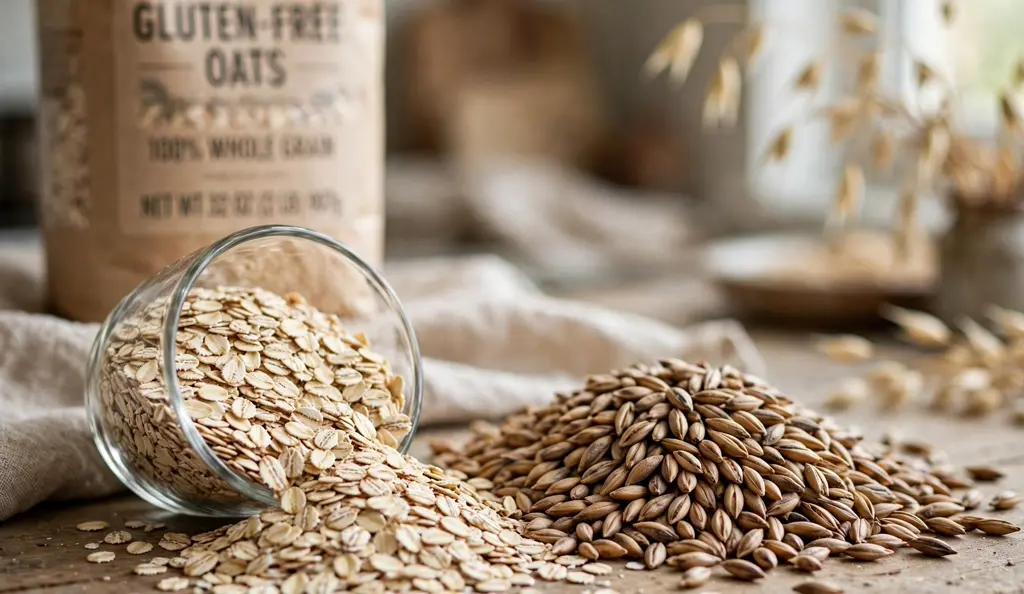
Brands that sell certified or labeled gluten free oatmeal include Bob’s Red Mill, Quaker (look for the packages specially marked gluten free), and most store brands with a gluten free seal. Only buy oats with a clear gluten free label. A regular bag that says “100% oats” can still contain gluten from shared processing.
Is Oatmeal Gluten Free? Check This Table First
Use this quick table when you shop. It is the fastest way to sort safe picks from risky ones.
| Your choice | Safe pick | Risky pick |
|---|---|---|
| Rolled oats | Certified gluten free rolled oats | Plain oats with no gluten free label |
| Instant packets | Gluten free instant oatmeal packets | Flavored packets without a gluten free claim |
| Bulk bin oats | Sealed certified gluten free bag | Scoops from open bulk bins |
| Oat flour | Certified gluten free oat flour | Flour ground from regular oats |
| Oat milk | Oat milk labeled gluten free | Oat milk with no gluten free label |
How Do I Check an Oatmeal Label in 30 Seconds?
Flip the package over and look for the words “gluten free” on the front and in the allergen area. Check the ingredient list for hidden wheat, barley, or rye, and watch for oat flour mixed with wheat flour in flavored packets. Skip anything that says “may contain wheat” if you have celiac disease. When in doubt, put it back.

Is Oatmeal Gluten Free for People With Celiac Disease?
Celiac disease is an immune reaction to gluten that damages the small intestine. About 1 in 141 Americans has it, roughly 0.71 percent, according to a 2012 study in The American Journal of Gastroenterology. For them, even tiny amounts of gluten cause harm over time.
Certified gluten free oats are generally accepted for most people with celiac disease. But there is a twist. Oats contain avenin, a protein similar to gluten. A small share of people with celiac disease react to avenin too, even in certified oats. This is rare, but it is real.
If you feel unwell after eating certified gluten free oats, stop eating them and talk to your doctor or a registered dietitian. They can help you find out whether avenin is the problem.
Oatmeal for Breakfast: Safe Ways to Use Gluten Free Oats
Once you have the right oats, the kitchen is the easy part. Start simple. Cook certified gluten free rolled oats on the stove with water or milk. Top them with berries, nuts, or a spoon of peanut butter. You get fiber and whole grains with zero worry.
Overnight oats are the busiest-morning fix. Mix oats with milk or yogurt in a jar, add chia seeds and fruit, and chill it overnight. Use dairy free milk if you also avoid dairy, and browse our gluten free dairy free recipes for more ideas.
Oats also bake well. Grind certified gluten free oats into flour for pancakes. Our fluffy gluten free pancake recipe works great with oat flour. Fold oats into this moist gluten free banana loaf for extra texture. And if you are stocking your pantry, our gluten-free foods and snacks guide shows which staples are truly safe.
Oatmeal and Gluten: Your Questions Answered
Is Quaker oatmeal gluten free?
Only the packages specially marked gluten free. Regular Quaker oats are not. Quaker cleans commodity oats with mechanical and optical sorting, then tests each production lot. Gluten Free Watchdog reviewed the protocol and did not oppose its use by people with celiac disease.
Can celiacs eat oatmeal?
Most can, if the oats are certified gluten free. A small number react to avenin, the oat protein. Introduce oats after your gut has healed, and watch how you feel. When in doubt, ask your dietitian first.
Is Bob’s Red Mill oatmeal gluten free?
The bags marked gluten free are. The company makes them in a separate dedicated facility and holds them under 19 ppm of gluten. Do not confuse these with the regular Bob’s Red Mill oats, which are not gluten free.
Is instant oatmeal gluten free?
Only if the packet says so. Plain instant oats and flavored packets carry the same cross-contact risk as regular oats. Flavored packets add another risk: the flavor mix can contain wheat. Always check the label.
Does oatmeal have gluten naturally?
No. The oat grain has no gluten protein. Gluten comes from wheat, barley, and rye. Gluten in oatmeal is always contamination from farming or processing, never from the oat itself.
What oatmeal is not gluten free?
Any oatmeal without a gluten free label. That includes regular rolled oats, most bulk bin oats, flavored packets with no gluten free claim, and oatmeal served from unmarked bulk bags at restaurants.
Is oatmeal gluten free if the box just says 100% oats?
Not necessarily. “100% oats” describes the ingredient, not the gluten content. The bag can still hold gluten from shared fields and mills. Look for the words gluten free on the package, or a certification seal.
Is oat milk gluten free?
Only brands labeled gluten free. Oat milk is made from the same oat supply, so it carries the same cross-contact risk. Check for the label before you pour.
Can people with a wheat allergy eat oatmeal?
Often yes, because oats are not wheat. But only choose oats labeled gluten free, since wheat contamination is the main risk. Talk to your allergist before you try it.
Is Cheerios gluten free?
General Mills labels Cheerios gluten free using mechanically sorted oats. Some celiac groups, including the Canadian Celiac Association, have questioned whether sorting catches every contaminated pocket. Sensitive shoppers often prefer purity protocol oats.
Is oatmeal gluten free in Australia?
Not by label. Australian rules do not allow oats to carry a gluten free label at all. If you live there, follow local celiac guidance and talk to your dietitian about oats.
Does cooking oatmeal remove gluten?
No. Heat does not break down gluten. Cooking, toasting, or boiling cannot make contaminated oats safe. Only starting with clean, labeled gluten free oats works.
Why do gluten free oats cost more?
Dedicated fields, separate equipment, extra testing, and certification all cost money. You pay for the supply chain that keeps the oats clean, not for a fancier grain.
The Final Answer on Oatmeal and Gluten
Is oatmeal gluten free? Yes, with one condition: buy oats with a gluten free label. Oats are naturally gluten free, but shared fields and mills make regular oats risky. Certified oats, tested under 20 ppm by FDA rules or 10 ppm by GFCO, give you the safety a gluten free diet needs. As of October 2026, the shelf is full of good options, from purity protocol bags to trusted sorted brands. Check the label, trust the seal, and enjoy your bowl. Breakfast should start your day, not your detective work.
The label rules above come from food safety agencies, not from the brands themselves. For the wider story of how the gluten-free diet developed and what it covers, Wikipedia keeps a clear, well-sourced overview.