Fluffy Gluten Free Pancake Recipe That Never Goes Gummy
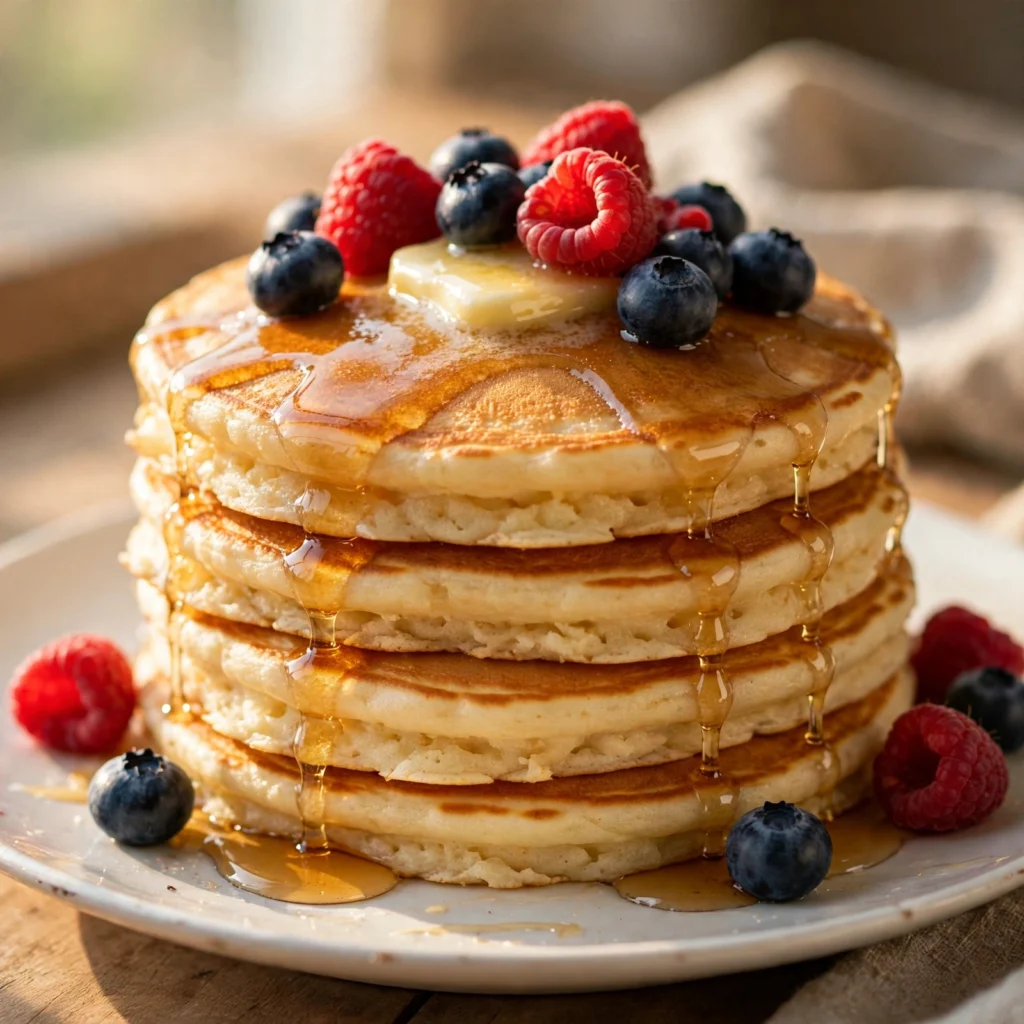
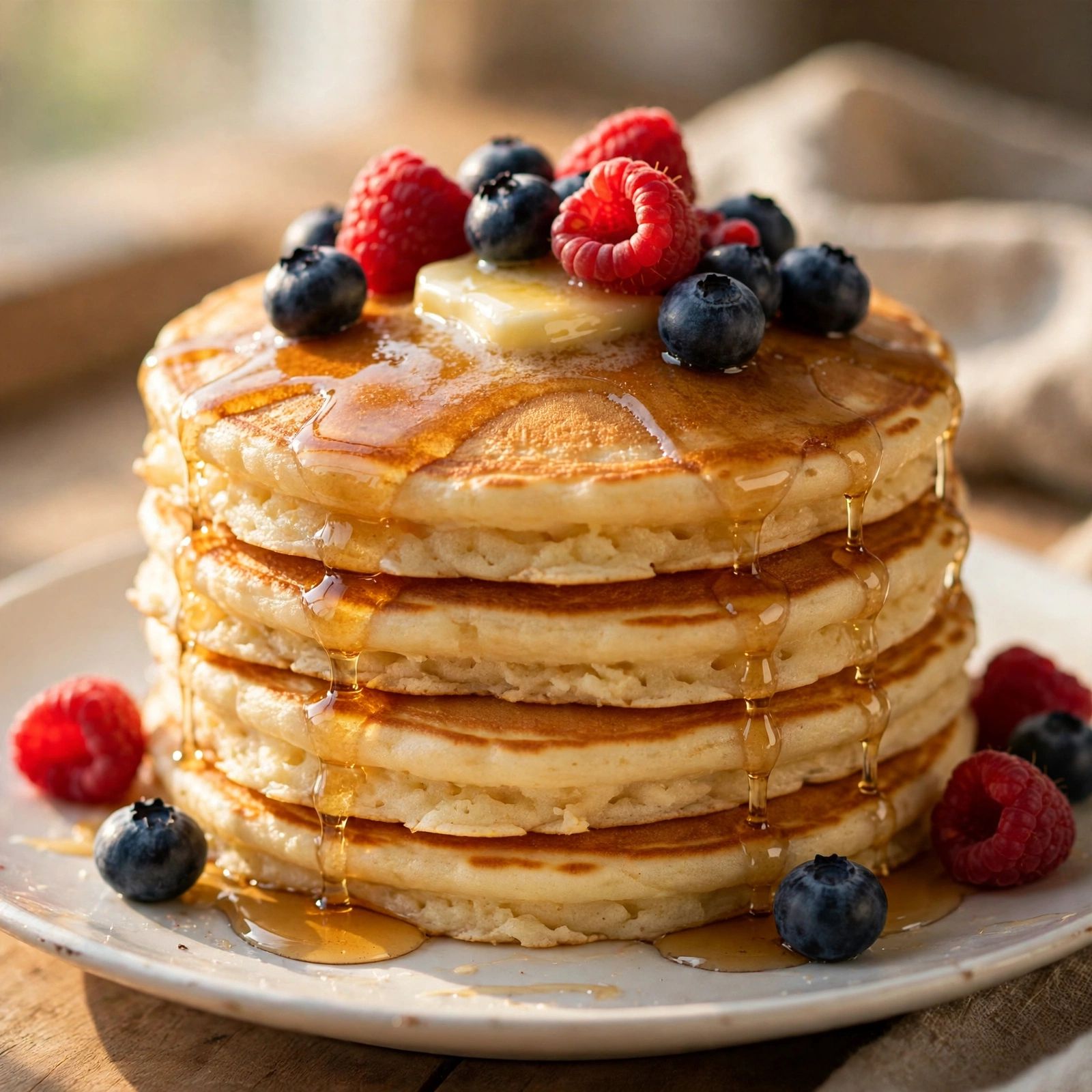
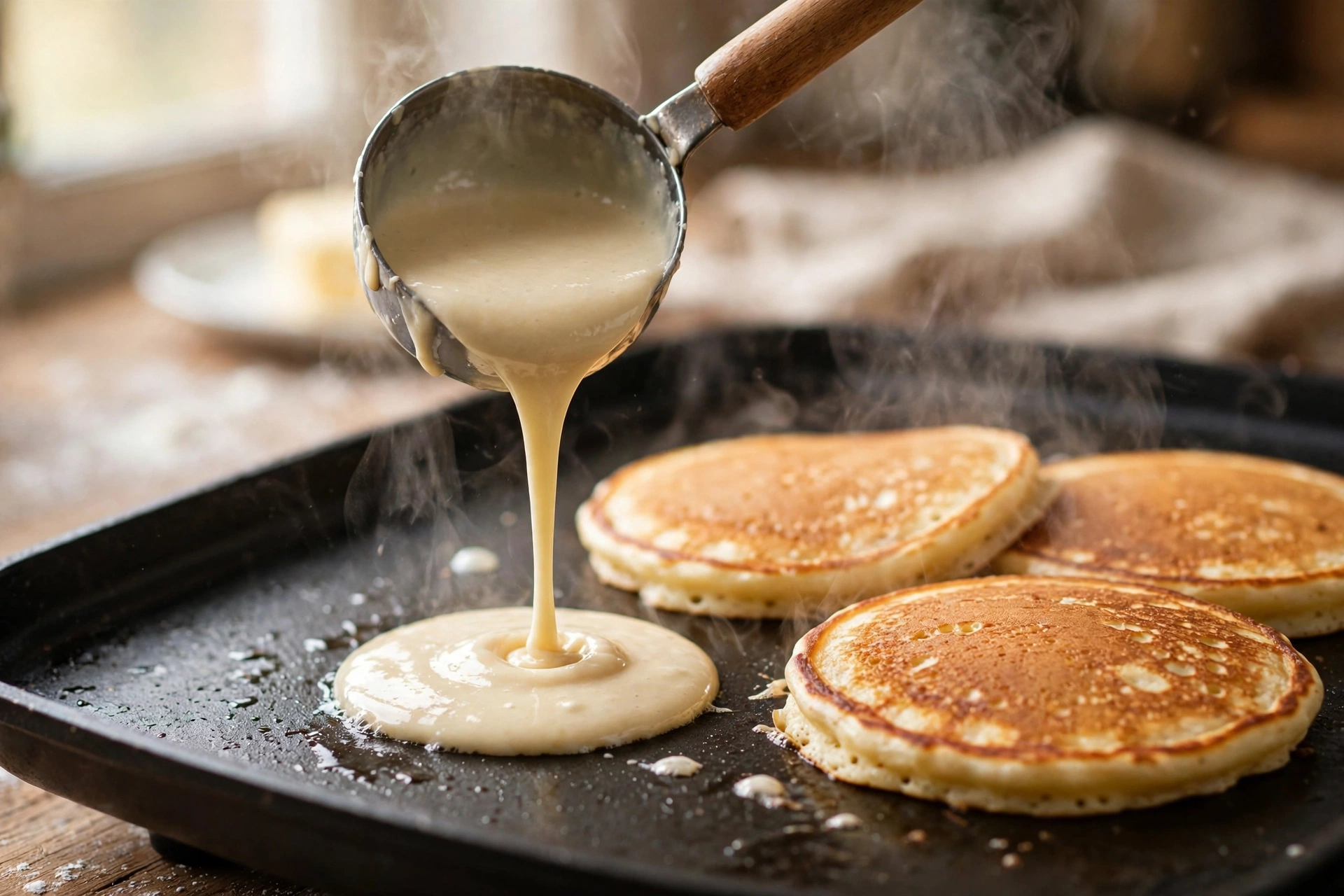
This gluten free pancake recipe makes tall, fluffy pancakes with golden edges in about 25 minutes. You mix one bowl of batter, rest it for 5 minutes, and cook it on a medium-hot griddle. The result tastes like classic diner pancakes. No gummy centers, no gritty texture, no one guessing they are gluten free.
I tested this gluten free pancake recipe three times in October 2026 to lock in the flour ratios. This guide gives you the full recipe first, then the flour science, the fixes for common failures, and safe storage. Everything below works with any major 1-to-1 gluten free flour blend.
Why Does This Gluten Free Pancake Recipe Stay Fluffy?
Gluten free pancakes fail for one reason. The flour never gets time to drink up the liquid. Wheat flour forms gluten, a stretchy net that traps air. Gluten free flour has no such net. It needs a short rest instead.
Resting the batter for 5 minutes lets rice and starch flours fully hydrate. Xanthan gum (a plant-based thickener in most flour blends that acts like glue) also needs those minutes to set up. Skip the rest and the batter cooks unevenly. That is what causes gummy middles.
This gluten free pancake recipe also uses a thick batter on purpose. Thin batter spreads wide and cooks flat. Thick batter stays tall and steams itself fluffy from the inside. Five minutes of resting is the difference between flat discs and pancakes worth stacking.
Gluten Free Pancake Recipe: Ingredients and Method
Prep time: 10 minutes. Cook time: 15 minutes. Serves: 4 (makes 8 medium pancakes).
Ingredients
Dry Ingredients
- 2 cups (280 g) 1-to-1 gluten free flour blend with xanthan gum
- 2 tablespoons granulated sugar
- 2 teaspoons gluten free baking powder
- 1/2 teaspoon baking soda
- 1/2 teaspoon fine salt
Wet Ingredients
- 1 1/4 cups whole milk, at room temperature
- 2 large eggs, at room temperature
- 3 tablespoons unsalted butter, melted and cooled, plus more for the griddle
- 1 teaspoon pure vanilla extract
Step-by-Step Method
- Whisk the flour, sugar, baking powder, baking soda, and salt in a large bowl until evenly mixed.
- Whisk the milk, eggs, melted butter, and vanilla in a second bowl until smooth.
- Pour the wet mix into the dry mix. Stir gently until just combined. A few small lumps are fine.
- Rest the batter for 5 minutes. It will thicken slightly. Do not stir it again.
- Heat a griddle or large nonstick pan over medium heat. Brush lightly with butter.
- Scoop 1/4 cup batter per pancake. Leave space between pancakes.
- Cook 2 to 3 minutes until the edges look set and the surface shows a few bubbles.
- Flip once with a thin spatula. Cook 1 to 2 minutes more until golden on both sides.
- Serve warm. Keep finished pancakes on a warm plate under a clean towel while you cook the rest.
Which Flour Should You Use for Gluten Free Pancakes?
The best flour for any gluten free pancake recipe is a 1-to-1 baking blend. These blends mix rice flour, starches, and xanthan gum in ratios that mimic wheat flour. King Arthur Baking makes a popular one called Measure for Measure. It spreads well on the griddle and cooks without a gritty bite.
Not all blends behave the same. Some list cornstarch as the first ingredient. Those make a very thick batter that refuses to spread. The pancakes turn out dense and wet inside. Check the ingredient list before you buy. If a starch is listed first or second, pick a different blend for pancakes.
Labels matter here. The Celiac Disease Foundation backed the FDA rule that defines gluten free labeling in the United States. Under that rule, which took effect in August 2013, a food can only carry a gluten free label if it contains less than 20 parts per million of gluten (Celiac Disease Foundation, September 2013). Certified gluten free is stricter. Products with the Gluten-Free Certification Organization seal must test at 10 parts per million or less, which is half the FDA limit (Gluten-Free Certification Organization standards, October 2026).
Naturally gluten free, labeled gluten free, and certified gluten free are three different things. Rice flour is naturally gluten free. A flour blend that says gluten free on the bag is labeled gluten free. A blend with the GFCO seal is certified gluten free. For anyone with celiac disease, certified is the safest pick. Always check the current label, because brands change recipes. If you want a refresher on label reading, see our guide to what is truly safe.
The Bubble Rule Is Lying to You
Every pancake recipe says the same thing. Flip when bubbles form on the surface. With wheat pancakes, that advice works. With gluten free pancakes, it fails. Gluten free batter is thicker and shows fewer bubbles. If you wait for a full bubble show, the first side burns while you wait.
Flip too early and you get the opposite disaster. The center stays raw because the structure never set. This is the real cause of most gummy middles. The bubbles are a wheat-flour signal that does not translate.
Use a different cue instead. Watch the edges. When the outer rim looks dry and set, and the surface loses its wet shine, the pancake is ready. Slide a thin spatula under one edge and peek. If the bottom is golden, flip. If it sticks or looks pale, give it 30 more seconds.
Here is a trick the pros use. Treat your first pancake as a tester. Cook one small pancake first and adjust the heat based on how it turns out. This explains why the second batch always looks better. The pan finally reaches the right temperature. One test pancake removes the guesswork from the whole batch.
What Mistakes Ruin Gluten Free Pancakes?
Most failed attempts at this gluten free pancake recipe come from heat and timing, not the ingredients. Use this table to diagnose a failed stack fast.
| Problem | Why It Happens | Fix It Fast |
|---|---|---|
| Gummy middle | Flipped too early or pan too hot | Lower to medium heat. Wait until edges look set. |
| Flat and pale | Batter too thin or old leavening | Rest batter 5 minutes. Check baking powder date. |
| Burnt outside, raw inside | Heat too high | Cook on medium only. Thick pancakes need gentle heat. |
| Falls apart on flip | Structure not set yet | Wait longer. Use a thin, wide spatula. |
| Dry and crumbly | Too much flour or overcooked | Spoon flour into the cup. Do not overbake the second side. |
One more mistake deserves a warning. Never thin a thick gluten free batter with extra milk. Gluten free starches cannot absorb the extra liquid. It pools in the cooked pancake and turns the middle gummy. If the batter feels too thick after resting, add milk one tablespoon at a time, and only up to 2 tablespoons.
Can You Make This Gluten Free Pancake Recipe Dairy Free or Egg Free?
Yes. This recipe adapts well. Swap the whole milk for unsweetened oat milk or almond milk in the same amount. Replace the butter with melted coconut oil or a dairy free butter stick. The pancakes brown a little faster with coconut oil, so watch the heat.
Can you make gluten free pancakes without dairy?
Yes. Use any unsweetened dairy free milk and melted coconut oil instead of butter. Oat milk gives the closest flavor to dairy milk. Make sure your flour blend is labeled dairy free too, since some blends are made in facilities that handle milk. The texture stays fluffy with these swaps.
For egg free pancakes, replace each egg with 1/4 cup unsweetened applesauce or one mashed ripe banana. The pancakes turn out slightly denser but still tasty. Banana adds sweetness, so you can cut the sugar to 1 tablespoon. A flax egg also works. Mix 1 tablespoon ground flaxseed with 3 tablespoons water and let it gel for 5 minutes.
How Do You Store and Reheat Gluten Free Pancakes?
Gluten free pancakes keep well, but they dry out faster than wheat pancakes. Cool them completely before storing. Warm pancakes trap steam in the container and turn soggy.
How long do gluten free pancakes stay fresh?
Cooked gluten free pancakes stay fresh for 3 days in the fridge and 2 months in the freezer. Store them in an airtight container with parchment paper between each pancake. Reheat in the toaster for crisp edges or the microwave for 20 to 30 seconds per pancake.
In the Fridge
Stack cooled pancakes with a small square of parchment between each one. Seal in an airtight container. They stay good for 3 days. The parchment stops them sticking together, which matters because gluten free pancakes tear more easily than wheat ones.
In the Freezer
Flash freeze on a baking sheet in a single layer for 1 hour. Then move the frozen pancakes into a zip-top freezer bag with parchment between them. They keep for 2 months. Reheat straight from frozen in the toaster, two cycles if needed. The toaster gives the crispiest edges.
What Should You Serve With Gluten Free Pancakes?
Toppings turn a good gluten free pancake recipe into a great breakfast. Pure maple syrup is the classic choice. Check the label, because not every pancake syrup is gluten free. Some contain caramel color or flavorings with hidden gluten. Fresh berries, sliced banana, and a spoonful of Greek yogurt all work well.
For a weekend brunch spread, pair pancakes with crispy bacon or scrambled eggs. If you like griddle breakfasts, our gluten free crumpets use similar flour skills. For a sweet finish to the meal, browse our gluten free dessert recipes for ideas that reuse your flour blend.
Gluten Free Pancake Safety: Cross-Contact in Your Kitchen
A gluten free pancake recipe only stays gluten free if the kitchen cooperates. Cross-contact (when gluten touches gluten-free food by accident) is the main risk. A griddle that just cooked wheat pancakes can leave enough residue to matter.
Wheat flour dust is the sneakier problem. In a shared kitchen where someone bakes with wheat flour, fine flour dust floats and settles on clean surfaces. Wipe the griddle, wash the spatula, and use a clean butter knife. Never double-dip a knife that touched regular toast into the butter dish.
This matters most for people with celiac disease. About 1 in 133 Americans, roughly 1 percent of the population, has celiac disease, and up to 83 percent of them are undiagnosed (Beyond Celiac, August 2025 report). If you have celiac disease or a wheat allergy, check with your doctor or a registered dietitian before trying new products or shared-kitchen cooking.
Gluten Free Pancake Recipe FAQ
Can I make gluten free pancakes without eggs?
Yes. Use 1/4 cup unsweetened applesauce or one mashed banana per egg. A flax egg works too. The pancakes come out a bit denser but hold together fine. Banana adds sweetness, so reduce the sugar slightly.
Why are my gluten free pancakes gummy in the middle?
Three causes cover most cases. The pan was too hot, so the outside cooked before the inside. The pancake was too thick. Or you flipped before the edges set. Lower the heat to medium and wait for the dry-edge cue.
Can I use almond flour in this gluten free pancake recipe?
Not as a direct swap. Almond flour has no starch and no binder, so the pancakes crumble. If you want almond flour pancakes, use a recipe built for it with extra egg. A 1-to-1 blend gives far better results here.
Can I make the batter the night before?
No. Baking powder and baking soda start working the moment liquid hits them. By morning the batter has lost its lift. Mix fresh each time. It takes 5 minutes, plus the 5 minute rest.
Are gluten free pancakes healthy?
They can be part of a balanced breakfast. They carry similar calories to wheat pancakes. Pair them with fruit and protein, like eggs or yogurt, for a fuller meal. As of October 2026, no major health body calls gluten free food healthier for people without celiac disease or gluten sensitivity.
Can I freeze gluten free pancakes?
Yes. Cool them fully, flash freeze on a baking sheet for 1 hour, then bag with parchment between each pancake. They keep for 2 months. Reheat in the toaster straight from frozen.
Why are my pancakes flat instead of fluffy?
The batter was too thin, or the leavening was old. Rest the batter a full 5 minutes so it thickens. Check that your baking powder is not past its date. Old baking powder loses its lifting power fast.
Is baking powder gluten free?
Most baking powders are gluten free, but not all. Some brands add wheat starch as a filler. Buy a brand labeled gluten free and check the label each time. Our guide to gluten free bread explains how to read flour and leavening labels.
Can I use oat flour for gluten free pancakes?
Only if the oat flour is certified gluten free. Regular oats are often cross-contaminated with wheat during farming and milling. Certified gluten free oat flour works, but the pancakes taste heartier and denser than with a 1-to-1 blend.
Why do my pancakes fall apart when I flip them?
You flipped too soon. The structure was not set. Wait until the edges look dry and the surface loses its wet shine. A thin, wide spatula also helps. Slide it fully under the pancake before lifting.
Can I make this gluten free pancake recipe vegan?
Yes. Use oat milk, coconut oil instead of butter, and flax eggs for the eggs. The result is fully vegan and still fluffy. Make sure your sugar is vegan if that matters to you, since some white sugar is filtered with bone char.
What syrup is safe for gluten free pancakes?
Pure maple syrup is naturally gluten free and the safest choice. Flavored pancake syrups need a label check. Some contain caramel color or additives that may hide gluten. When in doubt, pick a bottle marked gluten free.
Do I need xanthan gum if my flour blend already has it?
No. Do not add more. Extra xanthan gum makes the batter gluey and the pancakes gummy. Only add 1/4 teaspoon if your blend lists no gum or thickener in its ingredients.
The Last Word on This Gluten Free Pancake Recipe
Three things decide your stack. First, use a 1-to-1 gluten free flour blend and check that it is labeled gluten free. Second, rest the batter for 5 minutes so the flour hydrates fully. Third, cook on medium heat and flip by the dry-edge cue, not by the bubbles.
Get those three right and this gluten free pancake recipe will give you tall, golden pancakes every time. Make a double batch on the weekend, freeze the extras, and thank yourself on busy mornings. Your griddle is waiting.
For background on the science of wheat proteins and why they cause problems for some people, read the gluten-free diet overview on Wikipedia.