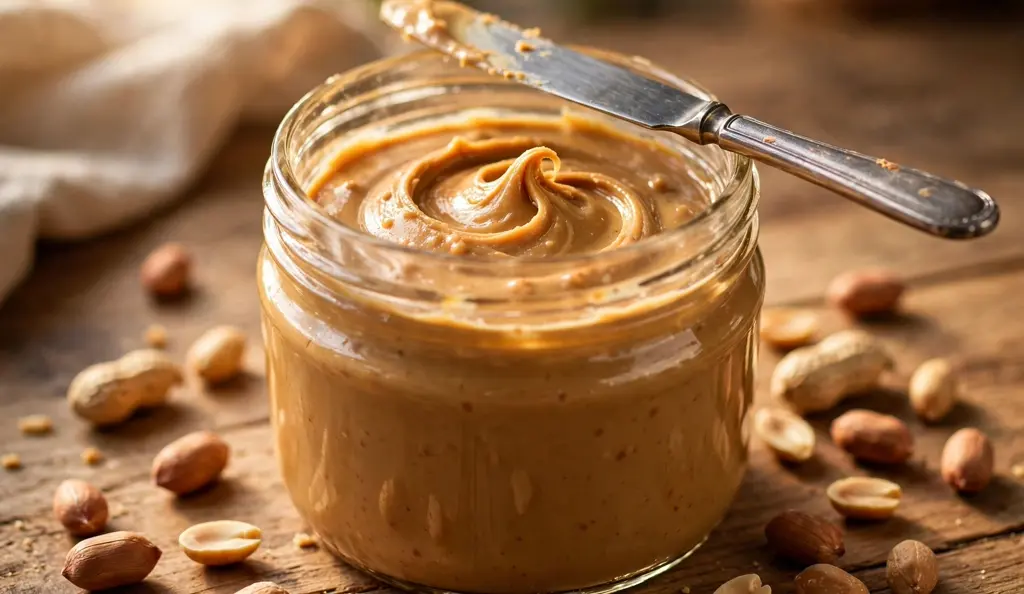
Yes, peanut butter is gluten free in most cases. The short answer to “is peanut butter gluten free?” is yes: plain peanut butter made from just peanuts and salt contains no gluten, because peanuts are legumes, not grains. But flavored varieties, some low-fat versions, and shared kitchen habits can change that. In this October 2026 guide, you will learn which jars are safe, how to read a label in 30 seconds, and which flavors to avoid.
What Is Peanut Butter Made Of?
Classic peanut butter starts with roasted peanuts, which are legumes. Legumes never contain gluten on their own. That is why plain peanut butter sits in the “naturally gluten free” group, along with rice, potatoes, and fresh fruit.
The trouble only starts with what goes in after the peanuts. A standard commercial jar usually adds a few helpers to keep it smooth and shelf stable. Common additions include:
- Roasted peanuts
- Salt
- Sugar or honey for sweetness
- Hydrogenated vegetable oils to stop separation
- Mono and diglycerides as emulsifiers
- Molasses or palm oil for texture and color
Most of these additives are gluten free by nature. But a few tricky ones, like malt flavoring or wheat-based thickeners, are not. That makes the ingredient list the first thing you should ever check. Peanut butter is one of the truly safe snacks to keep in a gluten free kitchen, but only when the jar in front of you has clean ingredients.
Is Peanut Butter Gluten Free? The Short Answer
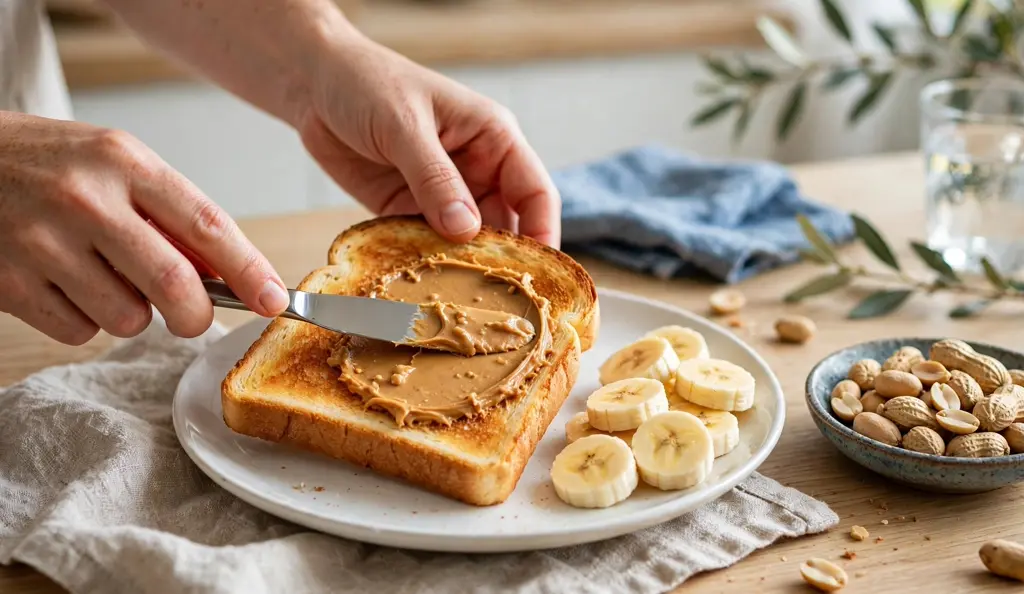
For plain creamy or crunchy peanut butter, the answer stays yes. No wheat, barley, or rye goes into a standard recipe, so gluten has no reason to be there. If you searched “is peanut butter gluten free?” because you have celiac disease, this is the part that should calm you down.
The FDA helps make this clear. Its final gluten-free labeling rule, published in August 2013, says any food labeled “gluten free” must contain less than 20 parts per million of gluten (Beyond Celiac, August 2013). That rule gives the claim real meaning instead of being a marketing trick. When a jar carries the “gluten free” label, it meets a legal standard.
But here is the key difference every gluten free eater should know. “Naturally gluten free” means the food has no gluten ingredients by nature. “Labeled gluten free” means the company stands behind the claim under that FDA rule. “Certified gluten free” goes one step further, with a third-party group testing the product, often to an even stricter 10 parts per million limit. All three can be safe. Certified is simply the strictest promise.
Which Peanut Butter Brands Are Gluten Free?
The good news is that the big names on the shelf are mostly fine. If you ask is peanut butter gluten free because you buy one of these brands every week, you can relax. As of October 2026, the major brands below still avoid gluten ingredients in their classic spreads. Always recheck the label, because recipes change.
The mainstream jar brands you can trust
Jif, owned by the J.M. Smucker Company, lists its classic creamy and crunchy peanut butters as gluten free. Skippy is just as clear. On its official FAQ page, Hormel Foods states: “Nope! If you are eating gluten-free, you are good to go with SKIPPY Peanut Butter!” Kraft also keeps most of its classic varieties gluten free, though Kraft does not always print a certified seal, so reading the label matters more with that brand.
These are mass-market products, which means tight factory controls. That is exactly what you want when you need a safe, everyday jar.
Natural and certified gluten free picks
Natural brands like Justin’s and Adams Natural usually contain just peanuts and salt. Many carry a certified gluten free seal, which means a third party tested them to strict limits. For someone with celiac disease, a certified jar removes the guesswork. Beyond Celiac, the well known celiac advocacy group, recommends looking for trusted labels on processed foods whenever possible.
What “just peanuts and salt” really means on a label
When the ingredient list says only “peanuts, salt,” the risk of hidden gluten drops close to zero. There is simply nowhere for wheat, barley, or rye to hide. The one thing to watch is the “may contain wheat” line. That warning speaks to the factory, not the recipe, and we will cover what to do about it below.
Is natural peanut butter always gluten free?
Almost always, but not by magic. Natural peanut butter made from only peanuts and salt has no gluten ingredients, so it is naturally gluten free. The risk comes from flavored natural versions with chocolate, cookie bits, or spice blends, which can add gluten. Always read the full ingredient list, even on a simple-looking jar, before you trust it.
| Type | Typical ingredients | Gluten verdict |
|---|---|---|
| Classic creamy or crunchy | Peanuts, salt, sugar, oils | Safe for most; check label |
| Natural (peanuts and salt only) | Peanuts, salt | Naturally gluten free |
| Reduced fat | Peanuts, fillers, sweeteners | Check label carefully |
| Honey, chocolate, or swirl flavors | Peanuts, cocoa, honey, flavorings | Only if labeled gluten free |
| With cookie bits or pretzel pieces | Peanuts, cookie crumbs, pretzels | Almost never gluten free |
The Flavored-Variety Trap: How Cookie Bits and “Natural Flavors” Sneak Gluten Into Your Jar
This is the section most gluten free guides skip, and it is where people actually get caught. Peanut butter itself is safe. The danger is what brands add to make it exciting. If you searched is peanut butter gluten free after picking up a cookie-swirl jar, that jar is exactly why the question matters. Jars with cookie crumbles, pretzel pieces, or brownie swirls are almost never gluten free, unless the label says so clearly. Those mix-ins are made from wheat flour.
Even subtler add-ins can cause trouble. “Natural flavors” is a vague term, and it can legally include barley malt flavoring. Chocolate peanut butters may share production lines with cookie-filled products. Honey roasted versions often carry spice blends and coatings that change from batch to batch.
Then there is the shared factory. A company can run plain peanut butter on one line and wheat cracker sandwiches on another, with flour dust moving through the air. Products that carry a “may contain wheat” warning were likely made in such a plant. The National Peanut Board notes that Americans ate a record amount of peanut butter in recent years, with per capita consumption hitting 4.4 pounds in 2023 according to USDA and U.S. Census Bureau data (Morning Ag Clips, November 2023). With that much peanut butter moving through shared factories, label reading is not optional. It is the whole game.
Is Flavored Peanut Butter Gluten Free?
Sometimes, but never assume it. Plain flavored spreads like chocolate or honey can be gluten free if the brand labels them that way. If you keep asking “is peanut butter gluten free?” about a fancy swirl jar, look for the gluten free claim on the front. No claim, no trust. Any jar with visible cookie or pretzel pieces should be treated as unsafe unless it carries a certified gluten free seal.
The 30-Second Label Check That Protects You
You do not need to memorize food science. You need a fast routine that works in the grocery aisle. Run through these four steps every time you pick up a jar:
- Read the ingredient list and scan for wheat, barley, rye, malt, or brewer’s yeast.
- Look for a “gluten free” claim or a certified gluten free seal on the front of the jar.
- Check the allergy warning for “may contain wheat” or “made in a facility that processes wheat.”
- Recheck the label when you buy a new jar or a new flavor, even from a brand you trust, because recipes change.
This takes half a minute. For someone who searched “is peanut butter gluten free?” while standing in the store, this checklist is the entire answer in practice.
Can Your Own Kitchen Make Peanut Butter Unsafe?
Yes, and this is the biggest real-world risk for most families. A clean jar becomes contaminated the moment a knife used on wheat bread dips back in for a second scoop. Microscopic crumbs are enough to matter for someone with celiac disease.
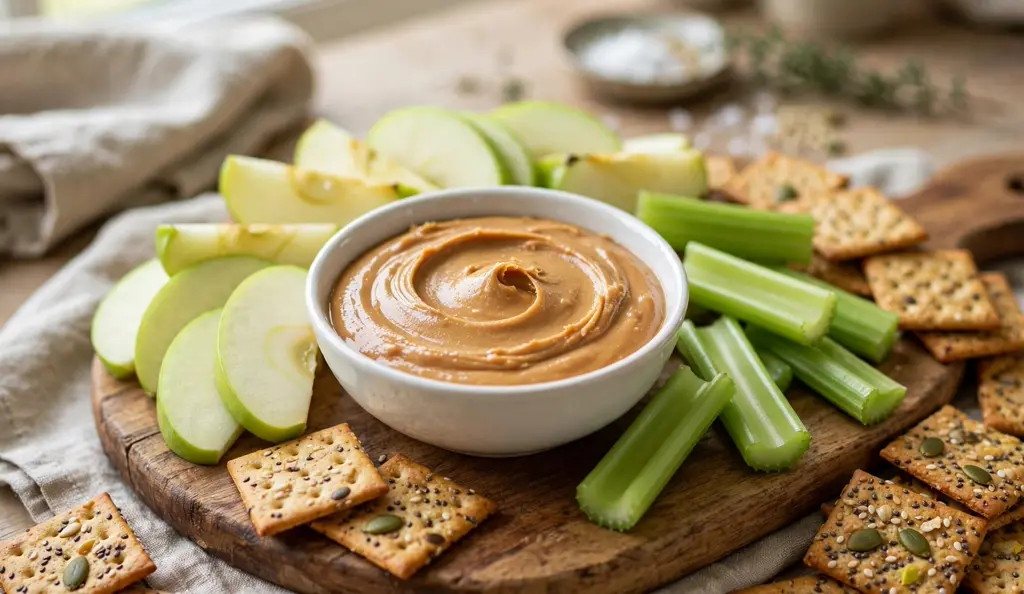
The fix is simple. Keep a dedicated “gluten free only” jar, marked clearly on the lid, and use a fresh knife every time. Even better, switch to squeeze bottles of peanut butter, which never meet a knife at all. A peanut butter dip for apple slices or celery is one of the easiest gluten free appetizers for a party, and a squeeze bottle keeps the serving table safe too.
How do I stop a shared jar from becoming a gluten risk?
Use the two-jar system. Keep one jar marked “gluten free only” and let everyone else use the regular jar. Always use a clean knife for the safe jar, never one that has touched bread. Squeeze bottles work even better because no knife ever enters the container. This one habit removes the biggest gluten risk peanut butter faces at home.
Is Peanut Butter Safe for People With Celiac Disease?
Plain peanut butter labeled gluten free is considered safe for people with celiac disease by trusted sources like Beyond Celiac. The catch is the degree of sensitivity. Most people do fine with a mainstream jar that has clean ingredients. People who react to trace amounts should choose a certified gluten free brand and avoid anything with a “may contain wheat” warning.
Celiac disease affects about 1 in 100 people worldwide, or roughly 1 percent of the population (argenx, October 2026). People with celiac disease ask is peanut butter gluten free with the highest stakes, because even tiny crumbs matter. For those readers, cross-contact is the real enemy, not the peanuts themselves. Bulk dispensers at health food stores are a hidden risk, since scoops move between bins. Buy sealed jars instead.
If you have celiac disease and feel unsure about a new brand, check with your doctor or a registered dietitian first. They can help you judge your personal sensitivity level. And remember the standing rule: check the current label every time, because recipes change.
Peanut Butter and Gluten: Frequently Asked Questions
Is Jif peanut butter gluten free?
Yes. The J.M. Smucker Company lists its classic Jif creamy and crunchy peanut butters as gluten free. Always verify the specific variety on the label, since flavored Jif products have different ingredient lists.
Is Skippy peanut butter gluten free?
Yes. Hormel Foods confirms on its official FAQ page that Skippy peanut butter is fine for people eating gluten free. Classic creamy, chunky, and reduced fat Skippy spreads carry the gluten free claim.
Does peanut butter have gluten?
Plain peanut butter does not have gluten. Peanuts are legumes, and standard recipes use no wheat, barley, or rye. Flavored varieties with cookie bits, pretzel pieces, or malt flavoring can contain gluten, so check those labels.
Is natural peanut butter gluten free?
Yes, when it contains only peanuts and salt. That short ingredient list leaves no room for gluten. Flavored natural versions with chocolate or spice blends still need a label check.
Is Kraft peanut butter gluten free?
Most classic Kraft peanut butter varieties are considered gluten free. Kraft does not always use a certified seal, so read the ingredient list and the allergy warning on each new jar you buy.
Is powdered peanut butter gluten free?
Most plain powdered peanut butters are gluten free, but flavored versions with chocolate or vanilla can contain different additives. Check the package for a gluten free claim before you trust it.
Is reduced fat peanut butter gluten free?
Usually, but this is the variety that deserves the closest look. When fat is removed, makers add fillers and starches to fix the texture. Read the ingredient list for wheat flour or wheat-based thickeners.
Does peanut butter contain wheat?
Plain peanut butter does not contain wheat. Some flavored spreads and dessert-style jars add wheat-based mix-ins like cookie crumbs or pretzel pieces. The ingredient list will tell you the truth every time.
Is honey roasted peanut butter gluten free?
Often yes, but not always. Honey itself is gluten free. The risk comes from coatings, spice blends, or flavorings added during roasting. Buy only jars that carry a gluten free claim.
Is organic peanut butter gluten free?
Organic and gluten free are different things. An organic jar can still contain gluten if it includes flavored mix-ins. Check for a gluten free label separately from the organic seal.
Can peanut butter be cross-contaminated with gluten?
Yes. Shared factory lines can leave traces of wheat, and a “may contain wheat” warning signals that risk. At home, a shared jar and double-dipping are the most common sources of cross-contact.
Is peanut butter safe for celiac disease?
Plain peanut butter labeled gluten free is considered safe for celiac disease by trusted sources. People with high sensitivity should choose certified gluten free jars and avoid products with “may contain wheat” warnings.
Conclusion
So, is peanut butter gluten free? For plain jars, the answer is a confident yes. Remember three things. Plain and natural peanut butter is naturally gluten free, while flavored jars need a label check. Trusted brands like Jif and Skippy label their classic spreads gluten free. And the biggest risk is cross-contact, at the factory and in your own kitchen.
Pick a clean jar, run the 30-second label check, and keep your jar crumb free. Whenever you ask is peanut butter gluten free about a new flavor, let the ingredient list answer. Swirl it into your favorite gluten free dessert recipes or onto gluten free cupcakes nobody will guess are safe. Learn more about peanut butter and enjoy every spoonful.