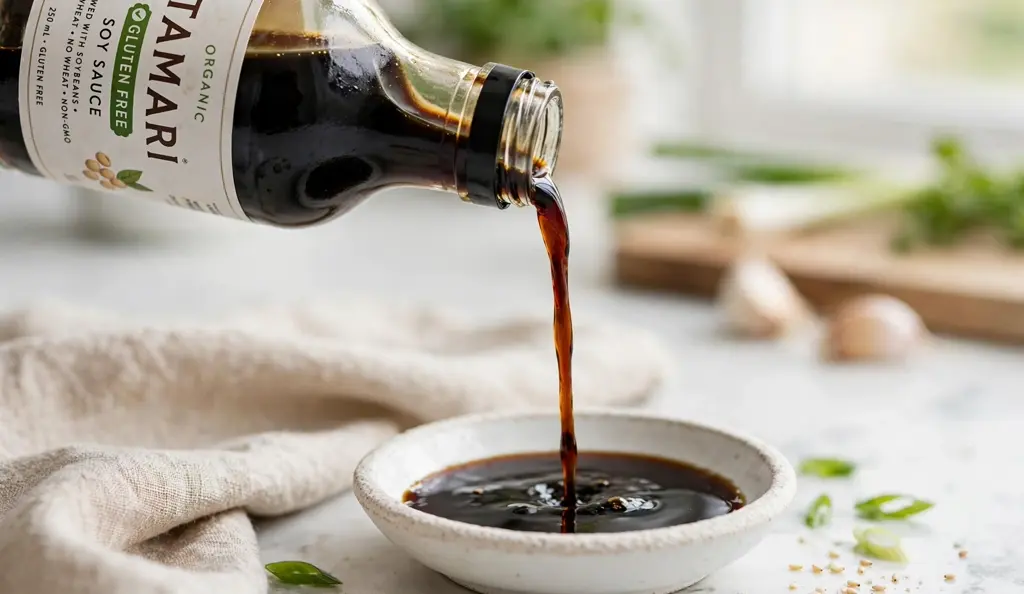
If you are asking is soy sauce gluten free, here is the short answer: most bottles are not. Regular soy sauce is brewed with wheat, so it is unsafe for celiac disease or gluten intolerance. As of October 2026, safe options exist, including tamari and bottles labeled gluten free. Check every label before you buy.
One splash of soy sauce can ruin a gluten free meal. Many people learn this the hard way at a sushi counter or in their own kitchen. The problem is not the soy. The problem is the wheat hiding in the brew.
In this guide, checked in October 2026, you will learn why most soy sauce contains gluten, which types are safe, how to read a label in 30 seconds, and what to order at restaurants. You will also get the best swaps for cooking, from tamari to coconut aminos. By the end, you will know exactly which bottle to grab and which one to leave on the shelf.
Why Regular Soy Sauce Contains Wheat
Traditional soy sauce starts with four ingredients: soybeans, wheat, salt, and a mold culture called koji. The wheat is not a flavoring or an additive. It is a main ingredient, often making up close to half of the mash.
The mixture ferments for months. Some people assume fermentation removes the gluten. It does not. Enough gluten survives the brewing process to harm anyone with celiac disease. That is why the question is soy sauce gluten free is so common: the soy sounds safe, but the wheat hides in plain sight.
Picture a mom in Manchester packing a school lunch for her celiac daughter. She picks up her usual soy sauce to season some rice. The front of the bottle says “naturally brewed” and looks wholesome. The ingredient list tells a different story: wheat is listed right after soybeans. This happens in kitchens everywhere, every day.
Is Soy Sauce Gluten Free? The Safe Types and the Risky Ones
Whether is soy sauce gluten free depends on the type you grab. Some kinds are brewed with wheat. Others skip the wheat or use a separate process. The table below sorts them out.
| Type | Contains Wheat? | Safe for Celiacs? | Taste Note |
|---|---|---|---|
| Regular soy sauce (shoyu) | Yes | No | Classic salty flavor |
| Tamari (labeled gluten free) | No | Yes, if labeled | Richer, less sharp |
| Gluten free soy sauce | No | Yes | Closest to regular |
| Liquid aminos | No | Usually yes | Milder, slightly sweet |
| Coconut aminos | No | Yes | Sweeter, less salty |
| Sweet soy sauce (kecap manis) | Often yes | No | Thick and syrupy |
| White soy sauce (shiro) | Yes, mostly wheat | No | Light and delicate |
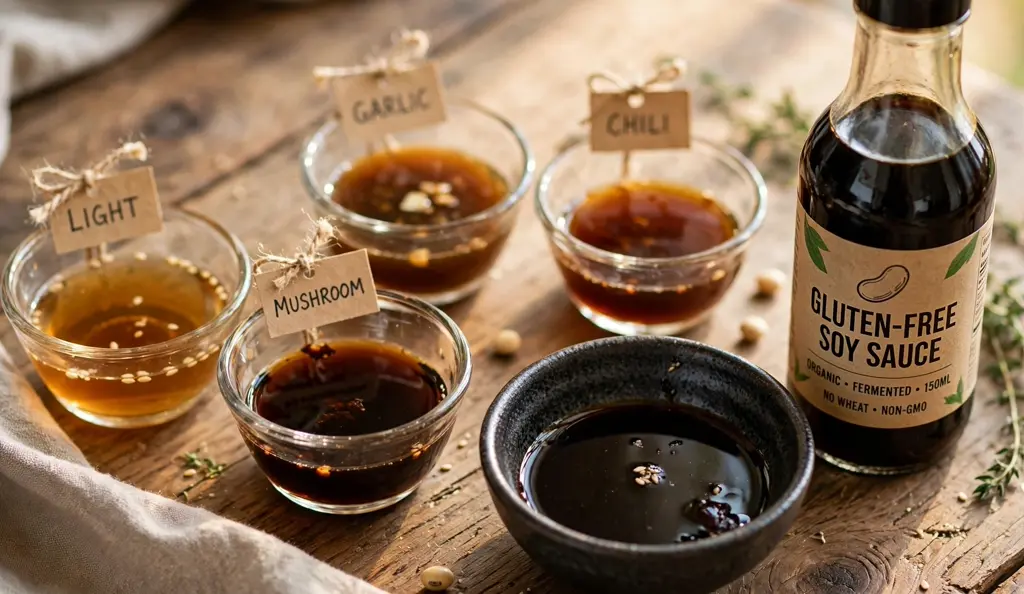
Not all soy sauces are the same, the label tells the real story.
The key rule is simple. If the bottle does not say gluten free, assume it contains wheat. “Natural,” “organic,” and “traditionally brewed” mean nothing for gluten safety. Only the gluten free label counts.
Tamari vs Liquid Aminos vs Coconut Aminos: Which Swap Wins?
Tamari is the closest swap. It is a Japanese sauce made mostly from soybeans, with little or no wheat. When people ask is soy sauce gluten free and want one answer for cooking, tamari is the bottle I point to first. Use it one for one in any recipe.
Liquid aminos are made from soybeans and water, with no fermentation. The flavor is milder and a touch sweeter than soy sauce. They cost more per ounce, but a little goes a long way.
Coconut aminos come from coconut blossom sap, not soy at all. They are soy free as well as gluten free. The taste is sweeter and less salty, so they suit marinades and dipping better than stir fries that need a salty punch.
Best Pick for Real Soy Sauce Flavor
Choose a tamari that carries a gluten free label. It behaves like regular soy sauce in recipes and needs no measuring changes.
Best Pick on a Budget
Buy the store brand gluten free soy sauce instead of a premium import. It costs less and works the same in cooked dishes. Label traps hide in many pantry staples, so the same careful reading you use for peanut butter applies here too.
Is Kikkoman Soy Sauce Gluten Free?
Kikkoman’s regular soy sauce is not gluten free because it contains wheat as a main ingredient. The company also makes a separate gluten free soy sauce, brewed in a dedicated facility, that carries a gluten free label. Always pick the bottle that says gluten free, not the classic red cap bottle. (October 2026)
Kikkoman is the brand most shoppers know, which is why it causes the most confusion. San-J is another real brand worth knowing. San-J makes tamari that is certified gluten free by the Gluten-Free Certification Organization (GFCO), which means it passed independent testing. A certified label is the strongest promise on a shelf.
The 30-Second Label Check
When you ask is soy sauce gluten free at the store, the label answers in seconds. Run this check on every bottle, even one you have bought before, because recipes change.
- Read the allergen line first. In the US, wheat must be declared. If you see “contains wheat,” put the bottle back.
- Look for the words “gluten free” on the front. Under the FDA rule set in August 2013, that claim means less than 20 parts per million of gluten.
- Watch for barley malt, malt flavoring, or malt vinegar in the fine print. These are gluten sources that hide behind innocent names.
- Check the front for trick words. “Natural” and “traditional” say nothing about gluten. Only a gluten free claim counts.
- When in doubt, skip it. Oats taught shoppers the same lesson, which is why our guide on oatmeal stresses label reading too.
The Sushi Table Trap: Why Restaurants Are the Real Danger Zone
Many people ask is soy sauce gluten free only after a reaction at a sushi bar. The grocery store is easy to control. The restaurant is not.
Those little fish shaped packets and tabletop bottles at sushi spots are almost always regular soy sauce. They are bought in bulk and rarely labeled. Servers often refill table bottles from a big jug, so even asking to see a bottle may not help.
Shared dipping bowls add another risk. Diners double dip tempura shrimp, which is coated in wheat batter, straight into the communal soy sauce. Crumbs sink and spread. A diner in Chicago with celiac disease once told a support group she reacted to “just the soy sauce” at a sushi bar. The sauce itself was the least of it. The shared bowl was the problem.
Here is how to eat out safely. Bring your own tamari packets and ask the server to keep the tabletop bottle away. Ask whether the kitchen uses shared fryers or shared squeeze bottles. If the staff cannot answer clearly, order plain sashimi with salt and lemon instead. Our guide to ordering gluten free at Asian restaurants covers the exact questions to ask.
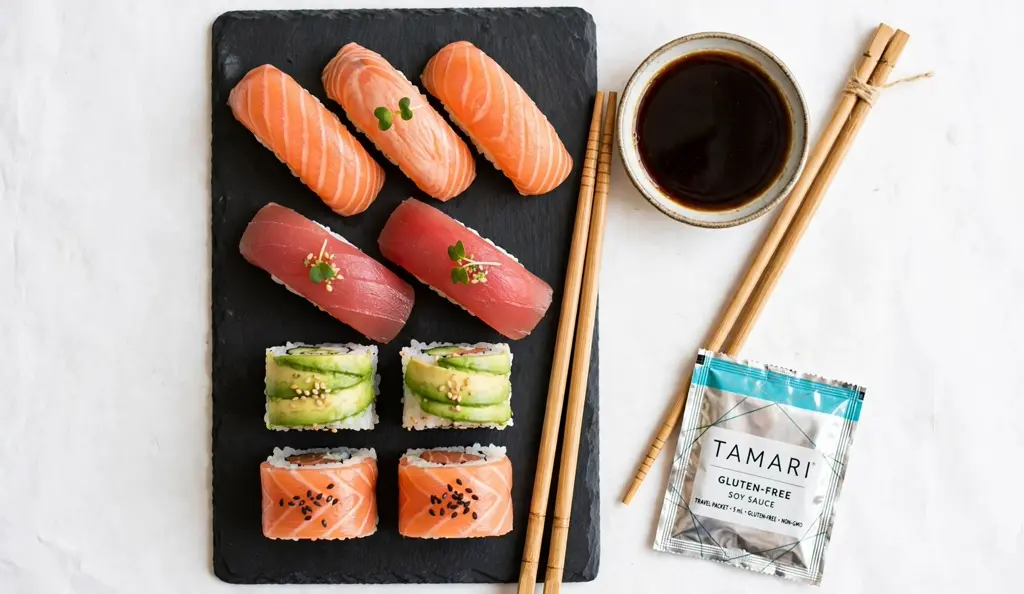
Dining out? Your own tamari packet is the safest plus-one.
Cross-Contact: The Hidden Gluten You Cannot See
Cross-contact means gluten touches a gluten-free food by accident. In soy sauce, it shows up in shared kitchens. A wok station that just stir fried noodles in regular soy sauce keeps a film of it. A squeeze bottle refilled without washing carries wheat from the last batch. Bulk bins at health food stores are another trap, since scoops move between bins.
This is where the three levels of safety matter. “Naturally gluten free” means the recipe has no gluten ingredients, but the factory may still handle wheat. “Labeled gluten free” means the maker follows the FDA limit of less than 20 parts per million. “Certified gluten free” means an independent group tested it, which is the strictest promise. For soy sauce, celiacs should stick to the labeled or certified level.
The numbers explain why this matters. Beyond Celiac reported in August 2025 that about 1% of Americans, roughly 1 in 100 people, has celiac disease. A Mayo Clinic study published in Gastroenterology in July 2009 found the condition is about four times more common than it was in the 1950s. With that many people at risk, a careless splash is not a small mistake. If you have celiac disease or a wheat allergy, check with your doctor or a registered dietitian before you try a new brand.
Took sushi home and wondering about the rest of the meal? Our guide on how long leftovers last in the fridge keeps the takeout safe too.
Is Soy Sauce Gluten Free for People With Celiac Disease?
Most regular soy sauce is not safe for people with celiac disease because it is brewed with wheat. A bottle labeled gluten free meets the FDA limit of less than 20 parts per million of gluten. Certified gluten free tamari is the safest swap. Always check the current label before you buy. (October 2026)
The Celiac Disease Foundation points shoppers to that same FDA rule when they ask which labels to trust. Remember that soy sauce itself is not the enemy. Wheat in the brew is. Pick a labeled bottle, and the flavor you love stays on the menu.
Frequently Asked Questions
Is soy sauce gluten free in restaurants?
Usually not. Most restaurants buy regular soy sauce in bulk, and tabletop bottles are refilled from large jugs. Bring your own gluten free tamari packets and ask the server to remove the table bottle.
Is tamari always gluten free?
No. Traditional tamari uses little or no wheat, but some brands add wheat or share equipment with wheat products. Only buy tamari that says gluten free on the label.
Does fermentation remove gluten from soy sauce?
No. Fermentation breaks down some proteins, but enough gluten survives to harm people with celiac disease. Studies and celiac groups agree that regular soy sauce is not safe, no matter how long it ferments.
Is liquid aminos gluten free?
Most liquid aminos are gluten free because they are made from soybeans and water with no wheat. Check the label anyway, since formulas can change without notice.
Is coconut aminos gluten free?
Yes. Coconut aminos are made from coconut blossom sap, so they contain no soy and no wheat. They taste sweeter and less salty than soy sauce, so adjust the amount in recipes.
Does soy sauce have wheat in it?
Regular soy sauce does. Wheat is a main ingredient in traditional brewing, listed right after soybeans. Gluten free versions replace the wheat with extra soy or use a separate process.
Can I eat soy sauce if I am gluten intolerant?
Only the gluten free kind. Non-celiac gluten sensitivity still calls for avoiding wheat based soy sauce. Choose a bottle labeled gluten free and watch your portion, since it is still high in sodium.
What is the best gluten free soy sauce brand?
Kikkoman’s gluten free soy sauce tastes closest to the classic flavor most cooks know. San-J tamari is a strong pick for a richer taste and carries independent gluten free certification.
Is sweet soy sauce gluten free?
Usually not. Sweet soy sauce, also called kecap manis, is typically made from regular soy sauce plus palm sugar. Look for a version that specifically says gluten free.
Is dark soy sauce gluten free?
Regular dark soy sauce contains wheat like the light kind. A dark soy sauce labeled gluten free is safe, but the color alone tells you nothing about gluten.
Is sushi safe for celiacs if I bring my own tamari?
It can be, with care. Plain sashimi and plain rice with your own tamari are the safest picks. Avoid tempura, imitation crab, and shared dipping bowls, and ask about cross-contact in the kitchen.
How long does opened soy sauce last?
An opened bottle keeps for two to three years in the fridge, and the high salt content keeps it safe far longer than most condiments. If it smells off or looks cloudy, throw it out.
If you are asking is soy sauce gluten free for baking or marinades, does heat destroy the gluten?
No. Cooking does not destroy gluten. A marinade made with regular soy sauce stays unsafe after grilling, roasting, or stir frying. Always start with a gluten free bottle.
The Bottom Line on Soy Sauce
So is soy sauce gluten free? Only the labeled kind. Regular soy sauce is brewed with wheat and is unsafe for celiac disease or gluten intolerance. Tamari with a gluten free label is the best swap for authentic flavor. Coconut aminos and liquid aminos work when you want a milder or soy free option.
Make the 30-second label check a habit, bring your own tamari to restaurants, and never trust a shared dipping bowl. The flavor you love never had to leave your kitchen. You just needed the right bottle.
Want the science behind all this? Read more about celiac disease on Wikipedia.