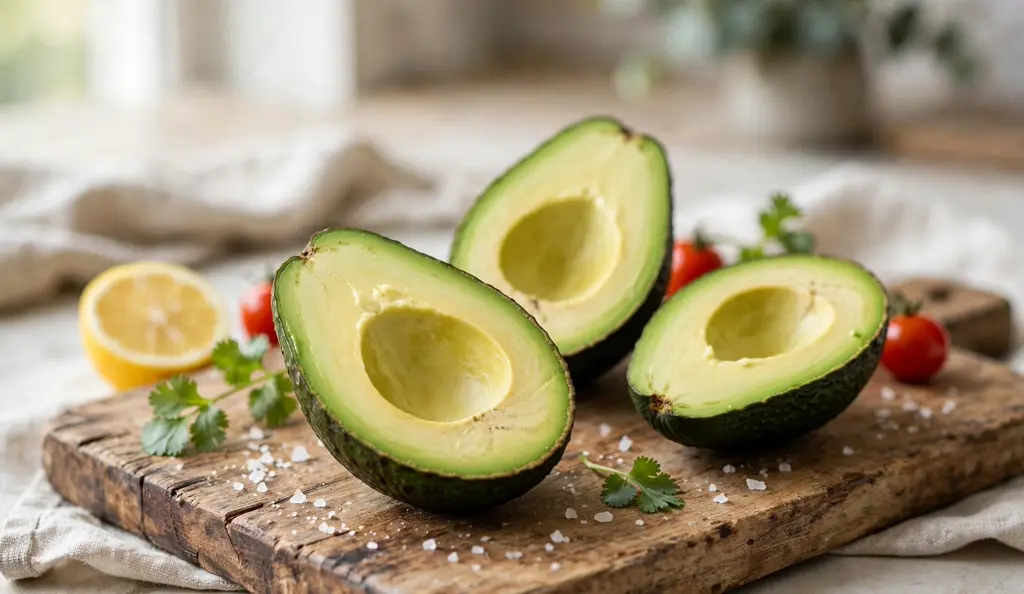
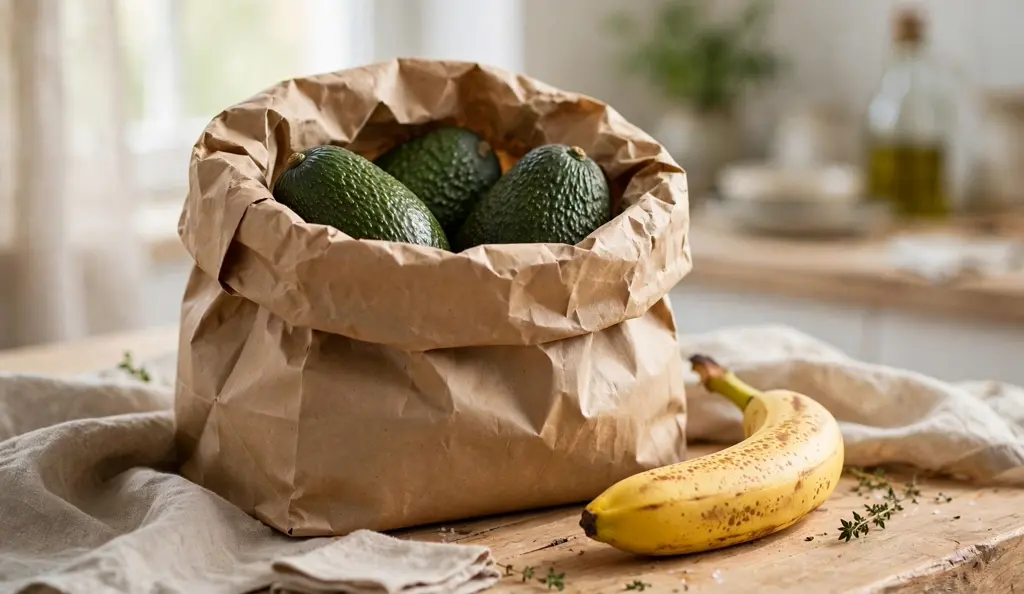
Want to know how to ripen avocado fast? The natural way is a brown paper bag with a ripe banana on the counter. In October 2026, this method beats all other home tricks, softening most avocados in 12 to 24 hours. It works because the banana floods the bag with ethylene gas, the hormone that tells fruit to ripen.
You bought avocados for tonight and they are hard as stones. We have all been there. If you searched how to ripen avocado fast, this guide gives you every method that actually works, ranked by speed and honesty about the trade-offs. You will learn the paper bag trick in exact steps, the truth about the oven and microwave shortcuts, and how to test ripeness without bruising the fruit.
You will also learn what to do when you cut one open too early, how to pick store avocados that ripen on your schedule, and how to store ripe ones so none go to waste. Avocados are naturally gluten free, so every method here fits a gluten-free kitchen. Whether you need guacamole tonight or toast tomorrow morning, one of these methods matches your timeline.
What Is the Fastest Way to Ripen an Avocado?
The fastest true ripening method is a brown paper bag with a ripe banana, kept at room temperature. Most avocados soften within 12 to 24 hours. Heat methods like the oven or microwave soften flesh in minutes, but they do not ripen it. The flavor stays flat and the texture turns uneven.
Why Avocados Ripen Only After Picking
Avocados are unusual. They do not ripen on the tree. They only start softening after harvest, when a natural plant hormone called ethylene kicks in. The fruit makes ethylene on its own, slowly. Surround it with fruit that makes more, and the whole process speeds up.
The UC Davis Postharvest Research and Extension Center confirms this science with hard numbers. Their researchers found that treating avocados with 100 parts per million of ethylene at 68°F makes them ripen in 3 to 6 days, depending on the season and the fruit. A ripe banana in a paper bag creates a mini version of that same treatment in your kitchen.
This matters more than ever because Americans eat a lot of avocados. People in the United States now eat more than 8 pounds of avocados per person each year, nearly triple the amount from the early 2000s, according to the USDA Economic Research Service (data reported December 2025). With that many avocados moving through kitchens, knowing how to ripen avocado fast saves real money and stops good fruit from going to waste.
How to Ripen Avocado Fast With a Paper Bag and Banana
This is the method produce professionals recommend. The Hass Avocado Board’s own dietitians call it the fastest and simplest home approach. It gives you true ripeness, not fake softness, so the flavor stays buttery and rich.
- Step 1: Place the avocado in a plain brown paper bag. Lunch-bag size works for one or two fruit.
- Step 2: Add one ripe banana. The riper the better. Brown spots mean more ethylene.
- Step 3: Fold the top of the bag closed. Do not seal it airtight. The fruit needs to breathe a little.
- Step 4: Set the bag on the counter at room temperature, away from direct sun and the stove.
- Step 5: Check after 12 hours with a gentle palm squeeze. Many avocados are ready by 24 hours.
Never use a plastic bag for this. Plastic traps moisture along with the gas, and that can cause mold on the skin. Paper traps the ethylene while letting moisture escape. If condensation forms inside the bag, tuck in a small paper towel.
Once it gives to gentle pressure, you are ready. Slice it for toast or mash it into our 10-minute foolproof guacamole while it is at peak creaminess.
How Timing Changes With Starting Firmness
- Nearly ripe: 12 hours or overnight is often enough.
- Slightly firm: 1 to 2 days in the bag.
- Rock hard: 2 to 4 days. Start early and check daily so it does not overripen.
How Do You Ripen an Avocado Overnight?
The honest answer is that you can, but only if the avocado is already close to ripe. Put a nearly ripe avocado in a paper bag with a ripe banana before bed. Keep it at room temperature and check in the morning. Rock-hard fruit needs 2 to 4 days, so start early for the best result.
Here is the trick most articles skip. If your avocado is rock hard at 9 p.m., no natural method makes it perfect by 7 a.m. Plan around that. Put the hardest avocados in the bag two nights ahead, and keep a backup plan for the meal. Guacamole can wait a day. A bad shortcut cannot be undone.
For the best overnight odds, use two ethylene sources instead of one. A ripe banana plus a ripe apple or kiwi in the same bag doubles the gas around the fruit. Keep the bag in a warm spot, around 68 to 75°F. Cold rooms slow everything down.
The Ethylene Math: Why a Banana Beats an Apple
Not all fruit makes the same amount of ethylene. This is the detail competitors gloss over, and it explains why some bags work overnight while others take days. Bananas release far more ethylene per hour than apples do. That makes a banana the stronger partner for a stubborn avocado.
Here is the science in plain terms. Avocados ramp up their own ethylene production to more than 100 microliters per kilogram per hour as they ripen, per UC Davis research. A banana already at peak ripeness pours ethylene into the bag at a mini version of that same treatment in your kitchen.
In October 2026, kitchen tests keep showing the same ranking. Banana plus paper bag is fastest. Apple plus paper bag is a close second. Kiwi and tomato also produce strong ethylene and work well as backups. If you only have an apple, add a second one. Two apples roughly match one spotted banana.
One more tip from the produce world. The California Avocado Commission and packing houses use this same ethylene principle in commercial ripening rooms. They hold fruit at steady temperatures with controlled ethylene to get even ripening. Your paper bag is a tiny, free version of that system.
How to Ripen Avocado Fast: 4 More Methods That Work
The paper bag is king. Still, if you want every option for how to ripen avocado fast, these four methods earn their place. Each one suits a different kitchen and timeline.
Bury It in Rice or Flour
Fill a bowl with dry uncooked rice or all-purpose flour. Push the avocado in until it is fully covered. The dense medium traps ethylene on all sides, so the fruit ripens evenly. Check after 18 to 24 hours. Most avocados are ready within 2 days.
Use clean, dry rice or flour. Do not reuse the rice or flour for cooking afterward, since it picks up moisture from the fruit. This method is popular in Latin American and Asian kitchens, and it works slightly faster than a paper bag because no part of the skin touches open air.
Leave It Next to Ripe Fruit on the Counter
No paper bag? No problem. Place the avocado beside a ripe banana, apple, or kiwi on the counter. The ethylene still reaches the fruit, just at a lower concentration. Expect 1 to 3 days depending on firmness. Keep the fruit out of direct sunlight, which heats the skin unevenly.
Wrap It in a Towel in a Warm Spot
Wrap the avocado in a clean kitchen towel and set it somewhere gently warm, like the top of the fridge. The towel insulates the fruit and raises its surface temperature slightly. Warmer fruit responds to ethylene faster. This takes 2 to 4 days on its own, but it pairs well with the paper bag method for a small boost.
Use the Low-Heat Oven as a Mash-Only Rescue
This is the honest version of the viral oven hack. Preheat the oven to 200°F. Wrap the whole avocado tightly in foil, set it on a baking sheet, and heat for 10 minutes. Check it, then add 5-minute bursts until it yields to gentle pressure. Let it cool fully before unwrapping.
Be clear about what this does. It softens the flesh with heat. It does not ripen it. The flavor turns muted and slightly cooked, and the texture is never as creamy as a naturally ripened avocado. Use this fruit for guacamole, spreads, or dressings, where lime and salt hide the difference. Never serve it in neat slices.
Does the Microwave Really Ripen an Avocado?
No. The microwave does not ripen an avocado at all. It heats the flesh until it softens, which looks like ripening from the outside. Inside, the chemistry never happens. Starches do not convert, flavors do not develop, and the texture turns rubbery and uneven.
If you still need this as an absolute last resort, here is the least bad way. Cut the avocado in half and remove the pit. Wrap each half in a damp paper towel and microwave in 30-second bursts, checking between each one. Stop the moment it yields. Use it immediately in a mash or spread.
Expect disappointment if you slice it. The flesh near the skin cooks while the center stays firm. The flavor is bland and faintly bitter. Every produce expert, from UC Davis researchers to the Hass Avocado Board’s dietitians, agrees that heat shortcuts trade quality for speed. Use them only when mashed avocado is the plan.
How Long Does It Take to Ripen an Avocado?
Timing depends on where your avocado starts. If your deadline is tonight, this comparison shows the quickest honest path for how to ripen avocado fast. The ranges below reflect typical home conditions in October 2026. Rock-hard fruit always needs the most patience.
| Method | Time | How It Works | Best For |
|---|---|---|---|
| Paper bag + ripe banana | 12-24 hours | Traps extra ethylene from the banana | Fastest natural ripening |
| Paper bag alone | 1-3 days | Traps the avocado’s own ethylene | Simple, no extra fruit needed |
| Rice or flour burial | 1-2 days | Dense medium traps gas on all sides | Even, hands-off ripening |
| Beside ripe fruit, no bag | 1-3 days | Raised ethylene in open air | When you have no paper bag |
| Warm towel wrap | 2-4 days | Gentle warmth speeds metabolism | Cold kitchens |
| Low-heat oven (200°F) | 10-30 minutes | Heat softens the flesh | Mashing only, not true ripening |
| Microwave bursts | 2-5 minutes | Heat softens the flesh | Last resort, texture suffers |
Two things slow every method down. A cold kitchen below 65°F adds a day or more. An avocado that was chilled hard at the store may have suffered chilling injury, and UC Davis notes that chilled fruit sometimes never ripens properly at all.
How Do You Know an Avocado Is Ripe?
Testing matters as much as ripening. Poke it wrong and you bruise fruit that was perfect. Use these three checks together for the most reliable read.
The Palm Squeeze
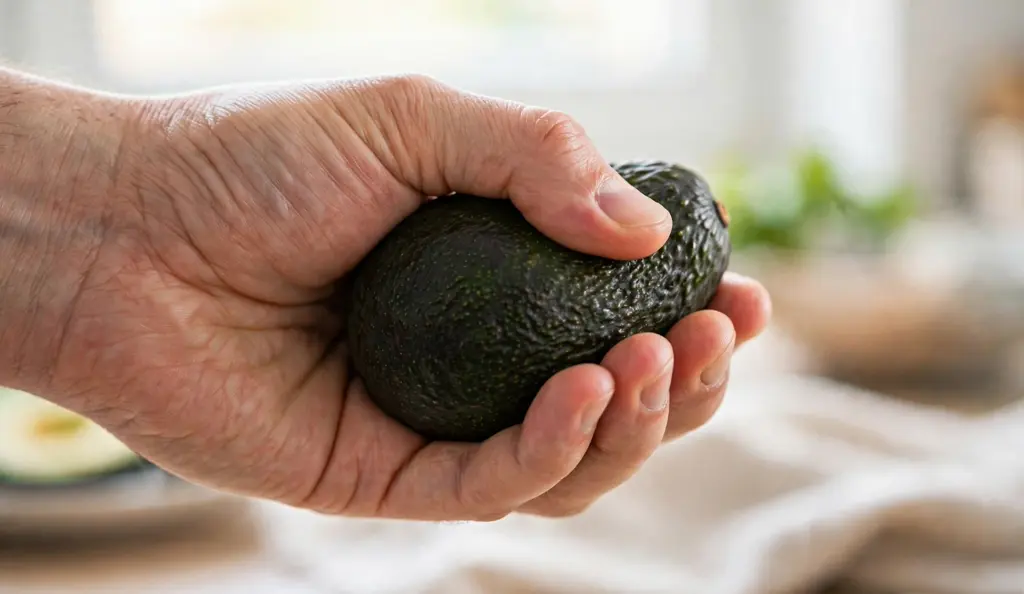
Hold the avocado in your whole palm and squeeze gently. A ripe one yields slightly, like a ripe peach. Rock hard means wait. Mushy means it is overripe. Never poke with your fingertips, because that dents the flesh and leaves brown spots.
The Stem-Nub Test
Flick off the small stem nub at the narrow end. Green underneath means it is ripe or close. Brown underneath means it is overripe. If the nub will not budge, the fruit needs more time. This test works best on Hass avocados, which darken as they ripen.
Color Cues
Hass avocados shift from bright green to dark green or nearly black as they ripen. Green-skinned varieties change less, so trust the squeeze over the color for those. Skin that turns fully black and feels loose is past its prime.
The Grocery-Store Trick: Pick an Avocado That Ripens on Schedule
Fast ripening starts at the store. Buy avocados at two stages: one nearly ripe for tomorrow, and one firm for later in the week. This staggered approach beats every speed trick because you never need a miracle.
Look for fruit with intact stems and no sunken spots or flat dents. Bumpy skin is normal for Hass. Skip any avocado with cracks near the stem, since those invite mold. If you shop in October 2026 and the bin is full of rock-hard fruit, that is normal. Stores ship avocados firm so they survive the trip.
Ask the produce staff when the next delivery arrives. Fresh deliveries often include fruit at mixed stages. A store that sells a lot of avocados turns its stock faster, which means better odds of finding one that is a day away from perfect.
What to Do With a Cut Unripe Avocado
You cut it open and the flesh is hard and pale. Do not throw it away. A cut avocado can still soften, and you have good options.
- Option 1: Press the halves back together with the pit left in one half. Wrap tightly in plastic wrap or beeswax wrap and leave at room temperature for a day. It will not ripen fully, but it softens enough for cooking.
- Option 2: Brush the cut faces with lemon or lime juice, wrap tightly, and refrigerate. Use within 2 days in cooked dishes where texture matters less.
- Option 3: Cook it. Firm avocado slices grill beautifully and hold their shape in stir-fries. Heat is the one place where unripe texture becomes an advantage.
- Option 4: Blend it. An unripe avocado disappears into smoothies, adding creaminess without any off flavor once blended with fruit.
Cut avocado counts as a leftover, and our fridge storage guide covers safe times for cut produce. When in doubt, smell it first. Fresh avocado smells mild and nutty, never sour.
How to Store Avocados Once They Are Ripe
A ripe avocado keeps for 2 to 3 days in the fridge. Cold slows the ethylene response to a crawl, which buys you time. Store whole ripe avocados uncut in the crisper drawer.
For cut avocado, press plastic wrap directly onto the flesh so no air touches it, then refrigerate and use within 2 days. A squeeze of lemon juice on the surface slows browning. The brown layer is just oxidation and is safe to scrape off, though the flavor is best underneath.
If two avocados ripen on the same day, freeze one. Our avocado-freezing guide shows the trick that keeps the texture smooth. Frozen avocado is perfect for smoothies and works well in guacamole after thawing.
One more safety note before you cut. The FDA advises washing all produce under running water before cutting, even fruit you peel. Bacteria on the skin can travel into the flesh on your knife. Give the avocado a good rinse and dry it before slicing.
Serving idea: ripe avocado on toast loves fresh herbs on top. This method keeps fresh herbs crisp for 3 weeks, so you always have a garnish ready.
Avocado Ripening FAQs
How long does it take to ripen an avocado?
A nearly ripe avocado takes 12 to 24 hours in a paper bag with a banana. A nearly ripe avocado takes 12 to 24 hours in a paper bag with a banana. A slightly firm one takes 1 to 3 days. A rock-hard avocado needs 3 to 5 days on the counter, or 2 to 4 days with the bag method.
Does putting an avocado in the fridge stop it from ripening?
Yes. Cold temperatures slow ethylene activity almost to a stop. Never refrigerate an unripe avocado if you want it to ripen. Move ripe avocados to the fridge to hold them at peak for 2 to 3 days.
Can you ripen an avocado in the microwave?
Not truly. The microwave heats and softens the flesh, but it does not trigger ripening. The flavor stays flat and the texture turns rubbery. Use it only as a last resort for mashed dishes.
Is it safe to ripen an avocado in the oven?
It is safe at 200°F or below, but it is not true ripening. The heat softens the flesh while muting the flavor. Cool the fruit fully before unwrapping, and use it for guacamole or spreads rather than slices.
Which ripens an avocado faster, a banana or an apple?
A banana wins. Ripe bananas release more ethylene per hour than apples do. For the fastest result, use a banana with brown spots. Two apples roughly match one spotted banana.
Can you ripen an avocado after cutting it?
Partially. Press the halves together with the pit in, wrap tightly, and leave at room temperature for a day. It softens but never reaches full ripening. Cooking or blending the firm flesh works better.
How do you ripen an avocado in one hour?
If you searched how to ripen avocado fast hoping for a one-hour miracle, here is the truth. You cannot truly ripen one that fast. The low-heat oven method softens an avocado in 10 to 30 minutes, but the flavor and texture suffer. Plan ahead with the paper bag method instead.
Why is my avocado still hard after 3 days?
It may have started out very immature, or your kitchen may be cold. Move the bag to a warmer spot and add a second banana. If it was stored below 40°F for a long time, chilling injury may stop it from ever ripening.
Should you wash an avocado before cutting it?
Yes. The FDA recommends washing all produce under running water before cutting, even fruit you do not eat the skin of. Bacteria on the skin can move into the flesh on your knife. Rinse and dry the avocado first.
Can you eat an unripe avocado?
Yes, it is safe to eat, but it tastes bland and feels waxy or firm. Most people prefer it cooked or blended at that stage. There is no safety risk, only a flavor one. If you have any food sensitivities, check with your doctor or a registered dietitian.
How do you slow down an avocado that ripened too fast?
Put it in the fridge right away. Cold slows further softening for 2 to 3 days. For longer storage, freeze the flesh using a proper freezing method.
Does rice really ripen avocados faster than a paper bag?
It is about the same speed, sometimes slightly faster. Rice surrounds the fruit on all sides, trapping ethylene evenly. A paper bag with a banana usually wins on pure speed because of the extra ethylene source.
Is a brown avocado still safe to eat?
Often yes. Light browning on the surface is oxidation from air exposure and is harmless. Scrape it off and taste what is underneath. If the whole flesh is dark, stringy, or smells sour, throw it out.
Wrapping Up
To ripen avocado fast, the paper bag plus a ripe banana remains unbeatable. It is cheap, natural, and it delivers real ripeness in 12 to 24 hours. The rice method and the fruit-bowl approach work well as backups. Heat shortcuts soften but never truly ripen, so save them for mash-only emergencies.
Test ripeness with your palm, not your fingertips. Wash the skin before you cut. Store ripe avocados in the fridge, and freeze the extras. With these habits, you will never stare at a rock-hard avocado in despair again. Tonight, bag it with a banana. Tomorrow, enjoy it at its creamy best.