
Healthy Ice Cream: 7 Best Brands + What Labels Hide
Healthy ice cream is real, but the word “healthy” on the label is doing a lot of heavy lifting. In October 2026, the best light pints give you real dairy or yogurt, solid protein, less sugar, and a short ingredient list. It is not health food. It is smarter dessert. This guide compares 7 brands worth buying, decodes the label in 30 seconds, and shows you two easy homemade recipes.
You will learn what “healthy” legally means on a label today, which pints deliver real nutrition, the protein marketing lie most brands hope you never catch, and how to stay safe if you eat gluten free.
What Does “Healthy” Even Mean on an Ice Cream Label?
For years, “healthy” on packaging was mostly a vibe. That changed when the U.S. Food and Drug Administration (FDA) finalized a new legal definition of the “healthy” nutrient content claim on December 19, 2024. To earn the word “healthy,” a food must now contain a real food group like dairy or protein foods, and stay under strict limits for added sugars, saturated fat, and sodium. The compliance date for brands is February 25, 2028.
Why does this matter for your freezer? Most ice creams, light or not, will struggle to meet those limits. So when a pint says “healthy” today, it is marketing language, not the FDA’s seal of approval. Treat the claim as a hint, then flip the tub and read the Nutrition Facts.
The market is moving fast either way. Growth Market Reports, in a market update published in June 2026, valued the global low-calorie ice cream market at USD 4.5 billion in 2025 and projected it will reach USD 8.3 billion by 2034. Shoppers clearly want lighter pints, and brands are racing to fill the freezer case.
For this guide, here is a plain definition you can actually use. Use this rule of thumb: a frozen dessert with roughly 50 to 150 calories per serving, at least 4 grams of protein per serving, noticeably less added sugar than regular ice cream, and ingredients you can pronounce. That is the yardstick we used to judge every brand below.
Is Healthy Ice Cream Actually Good for You?
Is healthy ice cream actually good for you?
Healthy ice cream is a better treat, not a health food. It has fewer calories, less fat, and often more protein than regular ice cream. But it is still dessert. It often contains sugar alcohols and thickeners that can upset sensitive stomachs. Eat a sensible serving, not the whole pint, and it fits fine into a balanced diet.
Dietitians are honest about the trade-offs. Amy Kimberlain, a registered dietitian nutritionist and Academy of Nutrition and Dietetics spokesperson, told Mic that light ice creams swap cream for skim milk, then add thickeners like guar gum and chicory root fiber, plus sweeteners like erythritol, stevia, or monk fruit.
Catherine Kruppa, a registered dietitian in Houston, puts it simply: the added protein and fiber may help you feel full, but they do not turn ice cream into a health food. The back of the package still lists a half-cup serving, even when the front invites you to eat the whole pint.
UPMC HealthBeat adds two reality checks: a half cup of light ice cream can weigh about two-thirds as much as regular ice cream, because makers whip in more air, and erythritol can cause bloating and gas in large portions. If you manage diabetes or any health condition, check with your doctor or a registered dietitian first.
Then there is the “Snackwell’s effect.” Dietitian Abby Langer, a registered dietitian since 1999, explains that labels like “guilt-free” give people quiet permission to eat more. You can easily end up eating more of a “healthy” pint than you would of one scoop of the real thing.
7 Best Healthy Ice Cream Brands to Buy in October 2026
Here is how these picks were judged: real products you can buy in October 2026, verified nutrition numbers where available, and an honest note on what each one asks you to give up. Flavors and formulas change, so always check the exact flavor you are holding.
1. Halo Top: The Original Light Pint
Halo Top started the light ice cream boom in 2011 and was bought by Wells Enterprises, the maker of Blue Bunny, in September 2019. Its Chocolate pint lists about 300 calories and 18 grams of protein for the whole container. The Vanilla Bean flavor has 90 calories and 5 grams of protein per serving, plus 6 grams of fiber. Many flavors are labeled gluten free. The texture is icier than regular ice cream, so let it sit 5 minutes before scooping.
2. Yasso: Greek Yogurt Does Dessert
Yasso began in Boston in 2011 as a frozen Greek yogurt bar brand. Unilever bought it in 2023, and it now sits inside The Magnum Ice Cream Company. Its classic bars deliver about 100 calories and 5 grams of protein each. In October 2025, Yasso launched spoonable 14-ounce pints with up to 19 grams of protein and about 400 calories per container, with no artificial colors, flavors, or sugar alcohols. If you want protein plus a clean label, this is the strongest pick.
3. Nick’s: The Creamiest Swedish Option
Nick’s makes Swedish-style light ice cream with a texture that reviewers in 2026 consistently call the creamiest of the light brands. Pints range from about 240 to 360 calories with around 20 grams of protein per container. The Triple Chocolate Brownie flavor lists 120 calories per serving with only 1 gram of total sugar and zero added sugar. Pick Nick’s when texture matters most to you.
4. Enlightened: Big Flavor Range, Solid Macros
Enlightened, from Beyond Better Foods, was one of the first brands to compete with Halo Top directly. Servings typically run 100 to 150 calories with 6 to 7 grams of protein. It offers one of the widest flavor lists in the category, including keto-friendly lines. Great when you want variety without hunting down a specialty store.
5. Breyers CarbSmart: For Sugar Watchers
Breyers CarbSmart is built for people cutting sugar and carbs, not for the lowest calorie count. It uses sugar substitutes to slash the sugar load while keeping a familiar Breyers taste. It is widely available and usually cheaper. Check the saturated fat line if heart health is on your radar.
6. Arctic Zero: The Lowest Calorie Pint
Arctic Zero targets the lowest calorie count in the freezer case and offers dairy-free options, which suits strict calorie budgets and dairy-free eaters. The trade-off is real: less protein, and some flavors lean on coconut fat, which is high in saturated fat. Try our list of gluten free dairy free recipes if dairy is off your menu entirely.
7. Two Spoons: The New High-Protein Player
Two Spoons targets GLP-1 medication users and protein-focused shoppers, with pints advertising up to 30 grams of protein per tub, zero added sugar, and allulose as the sweetener. Allulose tastes close to real sugar with almost no glycemic impact. This is the pick for maximum protein per spoonful in October 2026.

Light Ice Cream Compared Side by Side
Numbers below are approximate and refer to typical pints or serving lines as of October 2026. Your exact flavor may differ, so confirm on the label.
| Brand | Calories | Protein | Sweetener style | Best for |
|---|---|---|---|---|
| Halo Top | 270 to 360 per pint | 15 to 21g per pint | Erythritol, stevia | Balanced light pint |
| Yasso pints | About 400 per 14 oz tub | 19g per tub | No sugar alcohols | Clean label plus protein |
| Nick’s | 240 to 360 per pint | About 20g per pint | Erythritol, allulose | Creamiest texture |
| Enlightened | 100 to 150 per serving | 6 to 7g per serving | Erythritol, monk fruit | Flavor variety |
| Breyers CarbSmart | Varies by flavor | Moderate | Sugar substitutes | Lower sugar on a budget |
| Arctic Zero | Among the lowest | Lower | Monk fruit, cane sugar blends | Lowest calories, dairy-free |
| Two Spoons | Varies by flavor | Up to 30g per tub | Allulose | Maximum protein |
The Protein Ice Cream Lie: When Healthy Pints Are Worse Than Regular
Here is the section no brand wants you to read. “Healthy” pints can absolutely be the worse choice, and it comes down to four tricks.
Trick 1: The whole-pint permission slip
The front of the tub says you can eat it all. The Nutrition Facts still count a half cup as a serving. A 360-calorie pint eaten in one sitting is not a snack, it is a small meal. Research on “guilt-free” labeling shows people eat more of foods they believe are healthy, which wipes out the calorie savings.
Trick 2: The protein gap is smaller than it looks
UPMC HealthBeat points out that some light ice creams contain only a gram or two more protein per serving than regular brands. A 5-gram serving of protein will not build muscle or replace a real protein source. If protein is your goal, a Greek yogurt or a protein shake does the job better.
Trick 3: You are partly buying air
Light pints are churned fluffier than regular ice cream. That half cup can weigh about two-thirds as much as a regular half cup. You get less actual food per scoop, which is one reason a pint disappears so fast.
Trick 4: Sugar alcohols have a price
Erythritol, xylitol, and maltitol keep calories low but can cause gas, bloating, and loose stools in sensitive people, especially in pint-sized doses. Maltitol can also raise blood sugar more than shoppers expect. Check how your stomach handles these before you commit to a whole tub.
The honest rule: compare a serving of light ice cream to a serving of regular ice cream, not to the whole pint. Buy the one you will eat in a normal portion and actually enjoy. A small scoop of the real thing often beats a full tub of regret.
How to Read a Healthy Ice Cream Label in 30 Seconds
Use this checklist in the freezer aisle. It takes half a minute and beats any front-of-package claim.
- Calories per serving and servings per container. Multiply them if you plan to eat the whole pint. Know the real number.
- Protein per serving. Four grams or more is decent. Under that, the “high protein” badge is mostly decoration.
- Added sugars and sweetener names. Look for erythritol, allulose, stevia, monk fruit, or maltitol. Decide which your stomach tolerates.
- Saturated fat. Coconut-based dairy-free pints can be high here. Lower to moderate is better for heart health.
- Ingredient list length. Real words up front is a good sign. A paragraph of gums and fibers means heavy processing.
- Allergy and gluten lines. A “gluten free” label means under 20 parts per million. “May contain wheat” means shared equipment, which matters for celiac disease.
Is Healthy Ice Cream Gluten Free?
Most plain light ice cream is naturally gluten free. Milk, cream, yogurt, sugar substitutes, and flavor extracts contain no gluten by nature. The risk comes from mix-ins. Cookie dough chunks, brownie pieces, cake swirls, and some cones or toppings contain wheat, and shared factory lines can leave traces.
Under FDA rules, a “gluten free” label means the product tests under 20 parts per million of gluten. That label is your safest bet. A product without the label may still be fine, but check the ingredients and any “may contain” warning, because formulas change without notice.
If you have celiac disease, treat every new flavor like a new product and read the current label each time. For the full breakdown of which ice creams are safe and which to skip, see our guide on whether ice cream is gluten free. You can also browse more gluten free desserts for safe sweet ideas.
2 Homemade Healthy Ice Cream Recipes
The healthiest ice cream is the one you make yourself. You control the sugar, skip the gums and sugar alcohols, and get real food in every spoonful.
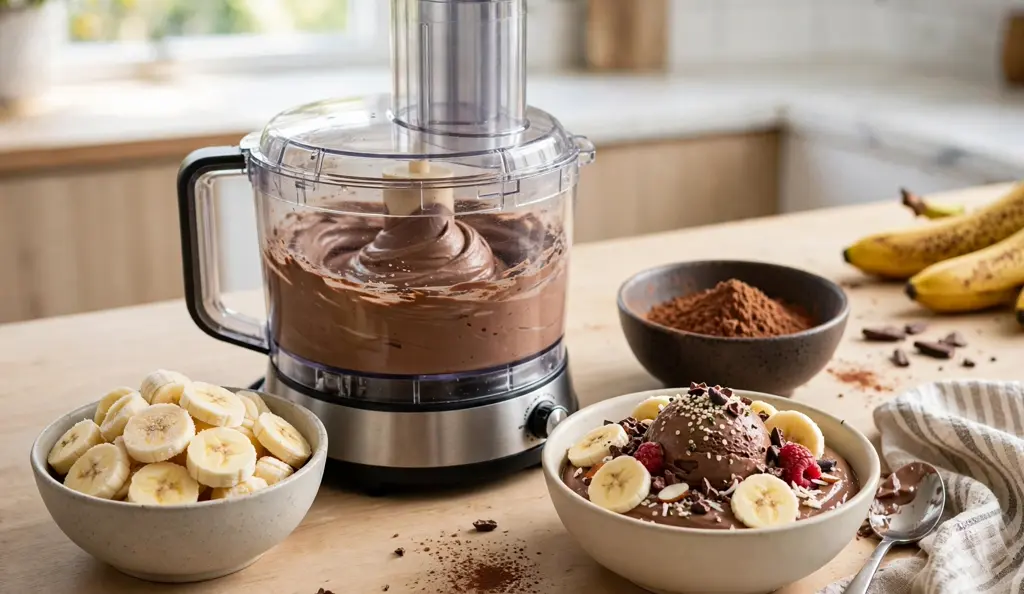
Recipe 1: 5-Minute Banana Nice Cream
- Slice 3 ripe bananas and freeze the pieces overnight.
- Blend the frozen banana with 2 tablespoons of milk until thick and creamy.
- Add 1 tablespoon of cocoa powder or peanut butter and blend again.
- Eat right away for soft serve, or freeze 1 to 2 hours for firm scoops.
- Top with berries or a spoon of homemade whipped cream.
Recipe 2: Greek Yogurt Berry Crunch Cups
- Mix 2 cups of plain Greek yogurt with 2 tablespoons of honey and 1 teaspoon of vanilla.
- Fold in 1 cup of frozen mixed berries.
- Spoon into small cups or a lined pan and freeze 2 to 3 hours.
- Let sit 10 minutes before serving so it scoops cleanly.
- Sprinkle with chopped nuts or granola right before eating for crunch.
Both recipes make about 4 servings and keep 2 weeks in the freezer in a sealed container. For more ideas like these, explore our easy gluten free dessert recipes.
What Is the Healthiest Ice Cream to Buy?
What is the healthiest ice cream to buy?
Yasso is the best all-round pick for most shoppers in October 2026, with real Greek yogurt, 19 grams of protein per spoonable tub, and no artificial colors, flavors, or sugar alcohols. Nick’s wins on creamy texture. Halo Top wins on price and availability. The healthiest choice is always the one whose full label you have actually read.
Healthy Ice Cream FAQs
Is healthy ice cream actually healthy?
It is healthier than regular ice cream, but it is still dessert. Expect fewer calories and less sugar, plus additives like thickeners and sugar alcohols. It fits a balanced diet in normal servings. It is not a health food and should not replace real nutrient-dense foods.
What is the healthiest ice cream brand?
There is no single winner, but Yasso, Nick’s, and Halo Top lead the pack for different reasons. Yasso offers the cleanest label with strong protein. Nick’s offers the best texture. Halo Top offers the best price and widest availability. Compare labels and pick the one that matches your goal.
Is Halo Top actually healthy?
Halo Top is lighter than regular ice cream: 270 to 360 calories and 15 to 21 grams of protein per pint in most flavors, sweetened with erythritol and stevia. It is a reasonable treat, but the texture is icier and large portions can upset sensitive stomachs.
Does healthy ice cream help you lose weight?
It can help if it replaces a higher-calorie dessert and you keep portions honest. But “eat the whole pint” marketing often backfires, since people eat more of foods labeled “guilt-free.” Track the full pint’s calories, not just one serving.
Is Yasso ice cream healthy?
Yasso is one of the strongest options: real Greek yogurt, bars with about 100 calories and 5 grams of protein, and newer spoonable pints with 19 grams of protein and no artificial colors, flavors, or sugar alcohols. It is still dessert, so portions still count.
Is Nick’s ice cream healthy?
Nick’s is a solid light option: 240 to 360 calories and about 20 grams of protein per pint, with some flavors listing just 1 gram of total sugar per serving. It uses erythritol and allulose, and reviewers praise its creamy texture.
What is the lowest calorie ice cream?
Arctic Zero is usually the lowest-calorie pint in the freezer aisle, and Outshine No Sugar Added fruit bars run just 25 to 40 calories per bar. Remember that the lowest calorie pick is not always the most satisfying, and very low calorie pints can leave you reaching for seconds.
Is light ice cream keto friendly?
Many are, especially lines sweetened with erythritol, allulose, stevia, or monk fruit instead of sugar. Enlightened and Two Spoons both market keto-friendly options. Always check net carbs per serving, because flavors with mix-ins can still add up fast.
Is healthy ice cream gluten free?
Most plain flavors are naturally gluten free, but mix-ins like cookie dough and brownie chunks often contain wheat. Look for a “gluten free” label, which means under 20 parts per million, and watch for “may contain wheat” warnings about shared equipment. Check every flavor, every time.
Do light ice creams have a lot of sugar alcohols?
Most brands do use them. Erythritol and xylitol are common, and maltitol shows up in some budget lines. In small servings most people tolerate them fine, but pint-sized portions can cause gas, bloating, or loose stools. Yasso’s newer pints skip sugar alcohols entirely if you are sensitive.
Can diabetics eat light ice cream?
Many can, in small portions, because these products are lower in sugar and some use sweeteners with little blood sugar impact, like allulose or erythritol. But maltitol can still raise blood sugar, and “sugar free” does not mean carb free. Anyone with diabetes should check with their doctor or dietitian first.
How many calories are in a pint of light ice cream?
Most light pints land between 240 and 400 calories per container, versus over 1,000 for premium regular ice cream. But pints with mix-ins can reach 360 or more, so multiply per-serving calories by servings per container.
Can I eat the whole pint of Halo Top?
You can, but “can” is not “should.” A whole pint is 270 to 360 calories depending on flavor, which is fine occasionally. The bigger risk is habit: treating the pint as a single serving trains you to eat dessert in bulk. Scoop a serving into a bowl and put the tub back in the freezer.
The Bottom Line on Healthy Ice Cream
In October 2026, light ice cream is a genuinely useful tool, not a miracle food. Yasso leads on clean labels, Nick’s on texture, and Halo Top on value, while the FDA’s new “healthy” definition from December 2024 reminds us the word on the package is now a legal claim. Read the label, respect the serving size, and remember homemade nice cream beats the tub.
The smartest dessert is the one you choose with your eyes open. Pick the pint that fits your goal, eat a real serving, and enjoy every spoonful without the guilt games. That is what healthy eating actually looks like.
Want the backstory on how this frozen treat is made? Read about ice cream on Wikipedia.