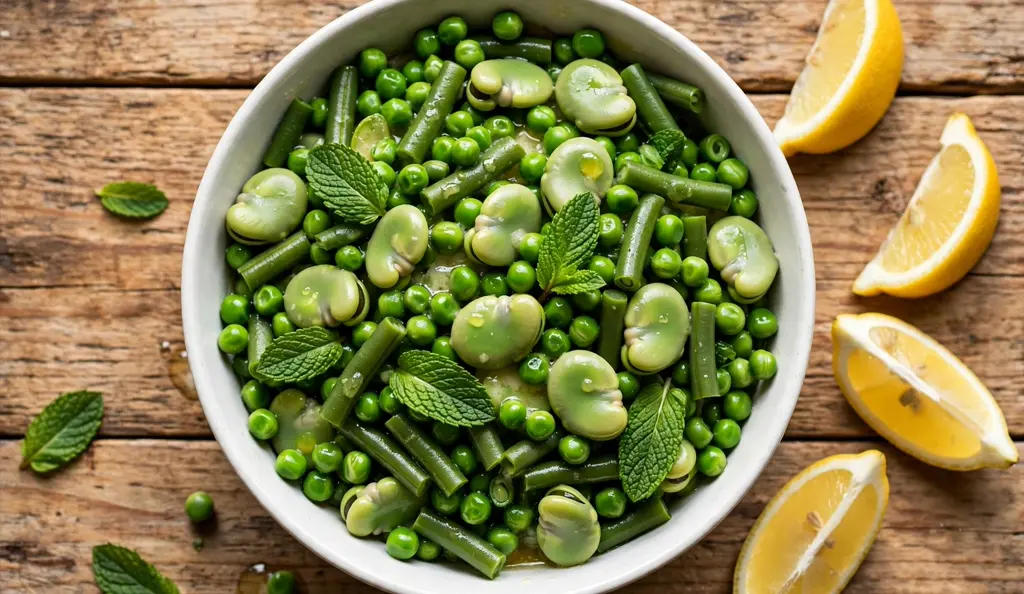
Minted Greens: Buttery 10-Minute Side Dish
There is a side dish so simple that most food blogs skip right past it. Yet minted greens can turn an ordinary Tuesday dinner into something bright and fresh in just 10 minutes. If you have ever wondered what minted greens actually are, here is the short answer: tender green vegetables steamed or boiled, then tossed while hot with fresh mint, butter, and a squeeze of lemon. This October 2026 guide gives you the full recipe, the best greens to use, and the one mint mistake that gluten-free cooks must avoid.
Minted greens are cooked green vegetables such as peas, green beans, broad beans, or broccoli, tossed with fresh mint leaves, butter or olive oil, and lemon juice. They are a classic British side dish that takes about 10 minutes to make. The dish is naturally gluten free as long as you use fresh ingredients.
The 10-Minute Minted Greens Recipe
Here is the basic recipe. It feeds four people as a side dish. You can scale it up for a crowd or down for one.
Prep time: 5 minutes. Cook time: 5 minutes. Total: 10 minutes. Serves: 4.
Ingredients
- 200 g (7 oz) green beans, trimmed
- 200 g (7 oz) frozen peas
- 200 g (7 oz) broccoli florets
- 2 tablespoons unsalted butter
- 1 small shallot, finely sliced
- 3 tablespoons fresh mint leaves, finely chopped
- 1 tablespoon fresh lemon juice
- 1/2 teaspoon fine sea salt, plus more to taste
- Freshly ground black pepper
Method
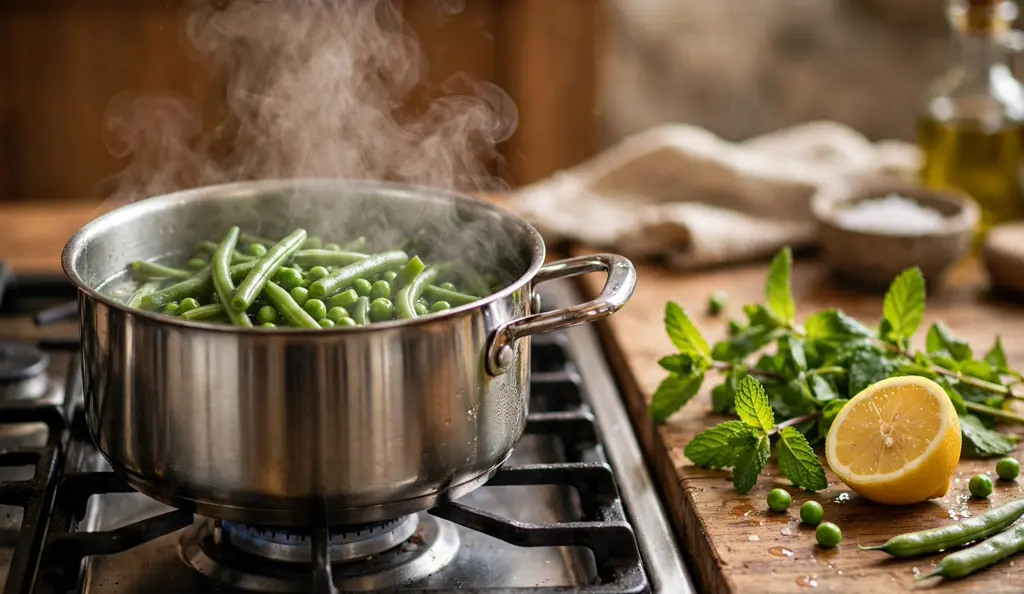
- Bring a large pot of salted water to a rolling boil. Fill a big bowl with cold water and ice cubes.
- Drop in the green beans and broccoli. Cook for 4 minutes until they turn bright green.
- Add the frozen peas. Cook for 1 more minute. No need to thaw the peas first.
- Drain the vegetables. Tip them into the iced water for 30 seconds to stop the cooking.
- Drain well and shake off all the water. Wet greens make the butter slide off.
- Melt the butter in the same pot over medium heat. Add the shallot and cook 2 minutes until soft.
- Return the greens to the pot. Toss them through the butter for 1 minute until hot.
- Take the pot off the heat. Stir in the mint, lemon juice, salt, and pepper. Serve at once.
The mint goes in last for a reason. Heat dulls fresh herbs fast, so tossing the mint through at the very end keeps its flavor bold and alive.
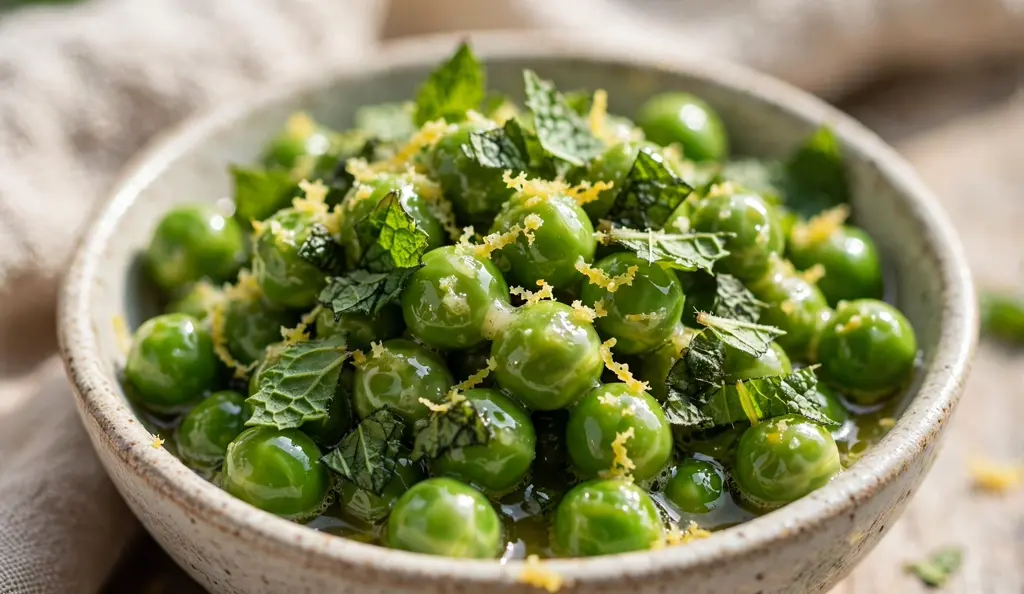
Three Greens Combos Worth Trying
Any green vegetable works, but some combos shine brighter than others. Pick one of these proven mixes. Each one takes the same 10 minutes.
| Combo | Greens | Best with |
|---|---|---|
| Classic British | Peas, green beans, broccoli | Roast lamb, roast chicken |
| Spring garden | Broad beans, asparagus, peas | Grilled fish, poached salmon |
| Freezer friendly | Frozen peas, frozen green beans | Weeknight chicken, sausages |
Picture a cook in Leeds opening the freezer at 6 pm. She has frozen peas, a bag of green beans, and 10 minutes. That is all this dish needs. Fresh greens are lovely in spring, but frozen ones work any month of the year.
The Mint Sauce Trap Gluten-Free Cooks Should Know
Here is something most recipes never tell you. Jarred mint sauce is not the same thing as fresh mint, and for gluten-free cooks the jar can be a hidden trap.
Traditional British mint sauce is made with malt vinegar. Malt vinegar comes from barley, and barley is one of the three grains that contain gluten. The National Celiac Association states clearly that malt vinegar is not gluten free and not safe for those with celiac disease, since it is not distilled. Their guidance on vinegar was reviewed on July 1, 2025, and it still stands today.
This matters because many cooks swap fresh mint for a spoon of jarred mint sauce to save time. With this dish, that swap can add gluten to an otherwise safe meal. Always use fresh mint leaves for minted greens. If you ever buy a jarred sauce, read the label first. When it lists malt vinegar, put the jar back on the shelf.
Check your lemon juice too. Plain fresh lemon juice is naturally gluten free. Flavored or processed juices sometimes carry added ingredients, so the bottle label is worth a quick read.
Are Minted Greens Gluten Free?
Minted greens are naturally gluten free when you make them from fresh vegetables, fresh mint, butter, salt, and lemon juice. None of these ingredients contain wheat, rye, or barley. Since they are single whole foods, they need no special label. The FDA defines a food as gluten free when it contains less than 20 parts per million of gluten, a rule the agency issued in 2013. Plain vegetables and herbs easily sit far below that line. The Celiac Disease Foundation notes that foods which are inherently gluten free, like fresh produce, may carry a gluten-free label with no problem.
Are minted greens safe for people with celiac disease?
Yes, homemade minted greens are a strong choice for people with celiac disease because every core ingredient is naturally gluten free. But the kitchen around them must be safe too. If you have celiac disease or cook for someone who does, ask a doctor or a registered dietitian about cross-contact rules for your home before changing your cooking habits.
Cross-contact watch points
Vegetables pick up gluten from their surroundings. Use a clean pot, and wash your cutting board before chopping the mint. Do not drain the greens in a colander that held pasta earlier unless you scrubbed it clean. Stock cubes are another risk if your recipe ever adds one, since many contain wheat or barley. Plain salt and butter need no worry. Always check the current label of any packaged ingredient, because recipes and formulas change.
How to Keep Your Greens Bright Green
Grey-green mushy vegetables are the biggest complaint about this dish. The fix takes seconds. Boil the greens in plenty of salted water, and do not crowd the pot. Crowding drops the water temperature and the greens stew instead of flash-cooking.
The ice bath is the real secret. It stops the cooking instantly and locks in that vivid color. Skip it and the greens keep cooking in their own heat, turning dull by the time they reach the table. Thirty seconds in ice water is enough. Drain them well right after.
Never add the mint early. Boiling mint leaves turns them dark and bitter. They belong in the pot only after the heat is off.
Swaps and Flavor Twists
The base recipe is a starting point. These swaps keep the dish gluten free while changing its mood.
Dairy-free minted greens
Swap the butter for 2 tablespoons of extra virgin olive oil. Heat the oil gently with the shallot, then toss as usual. Olive oil gives a lighter, grassier flavor that suits fish dishes well. If you want more creamy comfort, try our collection of gluten free dairy free recipes for pairing ideas.
Vegan minted greens
Use olive oil instead of butter, as above. Everything else in the recipe is already plant based. Frozen peas, beans, and broccoli are naturally vegan.
Extra crunch
Toast 2 tablespoons of slivered almonds or pine nuts in a dry pan for 2 minutes. Scatter them over the finished dish. Nuts add texture and make the side feel special enough for a dinner party.
Lemon and garlic twist
Add one crushed garlic clove to the butter with the shallot. Finish with extra lemon zest instead of juice for a sharper, fresher lift. Grated zest carries more aroma than juice alone.
What to Serve With Minted Greens
Minted greens pair best with rich or roasted mains. The fresh mint cuts through fat and wakes up heavy flavors. Roast lamb is the classic British partner, a match made long before anyone tracked food trends. Roast chicken, pork chops, and pan-fried salmon all work just as well.
For a lighter meal, serve the greens over plain cooked rice with a fried egg on top. For a party spread, they sit happily next to other sides like salads and dips. Fresh mint is the key ingredient here, so learn how to store fresh herbs and your mint will stay bright for weeks.
Can You Use Frozen Peas for Minted Greens?
Yes, frozen peas are one of the best choices for minted greens. They cook in about one minute, stay sweet and bright, and cost far less than fresh peas out of season. Birds Eye reports that its peas go from picked to frozen within two and a half hours, which locks in their flavor and vitamin C, a claim confirmed in industry coverage of its pea harvest in July 2023. Frozen peas need no thawing. Add them straight from the bag into the boiling water during the last minute of cooking.
Storing and Reheating Leftovers
Cool any leftovers within an hour, then store them in a sealed container in the fridge. They keep well for 3 days. If you are unsure how long cooked vegetables last, our guide on how long leftovers last in the fridge covers the safe windows.
Reheat in a hot pan with a small knob of butter for 2 minutes. Avoid the microwave, which makes minty greens soggy. The color will be a little less bright than day one, but the flavor holds up. Cold leftover minted greens also taste good folded through a simple green salad the next day.
Frequently Asked Questions
What are minted greens?
Minted greens are green vegetables such as peas, green beans, broad beans, or broccoli that are steamed or boiled, then tossed with fresh mint leaves, butter or olive oil, and lemon juice. It is a simple British side dish that takes about 10 minutes to make.
Are minted greens the same as minted peas?
Not quite. Minted peas use peas alone, while minted greens mix several green vegetables such as peas, beans, and broccoli. Both get the same fresh mint and butter finish. If you only have peas in the freezer, you can make minted peas tonight and follow the same steps.
Is jarred mint sauce gluten free?
Most British-style jarred mint sauce is not gluten free because it is made with malt vinegar, which comes from barley. The National Celiac Association confirms malt vinegar is not safe for people with celiac disease. Use fresh mint instead, and always read the label on any jarred sauce.
Can I use dried mint instead of fresh mint?
You can, but fresh mint tastes far better. Dried mint has a dull, almost musty flavor next to bright fresh leaves. If dried mint is all you have, use 1 teaspoon and add it with the butter so it softens in the heat. Buy fresh mint as soon as you can.
What does minted greens taste like?
Fresh, buttery, and gently sweet. The peas and beans bring natural sweetness, the butter adds richness, and the mint gives a cool, clean lift at the end. The lemon keeps everything tasting light instead of heavy. Kids often like it because the mint makes vegetables feel new.
How much mint should I use?
Start with 3 tablespoons of chopped fresh mint for four servings. That gives a clear mint flavor without overpowering the vegetables. If you love mint, add 1 more tablespoon. Taste and adjust after tossing.
How do I keep minted greens bright green?
Boil them fast in plenty of salted water, then plunge them into ice water for 30 seconds. The ice bath stops the cooking and locks in the color. Add the mint only after the pot is off the heat, because boiling mint leaves turns them dark.
Can I make minted greens ahead of time?
Yes, but they taste best fresh. You can steam the greens and ice them up to 4 hours ahead, then keep them drained in the fridge. At serving time, warm them in butter and toss with fresh mint. This trick works well for holiday cooking.
Can you freeze minted greens?
Freezing cooked minted greens is not ideal. The mint loses its punch and the vegetables turn soft when thawed. It is better to freeze plain blanched greens and add fresh mint and butter on the day. Plain frozen greens keep for months in the freezer.
Are minted greens healthy?
Yes, they are a vegetable side with simple whole ingredients. Green peas bring fiber, and an 80 g serving of garden peas counts as one of your five daily portions of fruit and vegetables. Keep the butter light if you watch fat intake. This article does not give medical advice, so talk to a dietitian about your own needs.
What greens should I avoid for this dish?
Avoid very bitter greens like raw kale stems or old cabbage, which fight the sweet mint flavor. Delicate salad leaves also fail, since they wilt into nothing when heated. Stick to firm vegetables like peas, beans, broccoli, and asparagus.
Why does my mint turn black in the pan?
The heat was too high or the mint went in too early. Mint leaves burn fast. Always take the pot off the heat before adding mint, and toss gently. Chopping the mint right before use also helps, because cut mint darkens if it sits around.
Can I grow my own mint for this?
Yes, and it is one of the easiest herbs to grow. Mint thrives in a pot on a windowsill with regular watering. Grow it in its own container, because mint roots spread fast and take over a garden bed. Snip what you need just before cooking.
What should I serve with minted greens in October 2026?
Autumn roasts are the natural partner right now. Try roast chicken, pork loin, or baked salmon with a squeeze of lemon. The greens also lift heavier October comfort food like cottage pie. Serve them hot, straight from the pan.
Final Thoughts
Minted greens prove that a side dish does not need to be complicated to be memorable. Ten minutes, one pot, and a handful of fresh mint turn plain vegetables into something people ask about. The dish is naturally gluten free from fresh ingredients, with one warning: jarred mint sauce made with malt vinegar can hide barley gluten, so fresh mint is the safe choice. Check your labels, keep your pot clean, and serve the greens while they shine. In October 2026, with fresh mint easy to find, there is no better week to put this dish on your table. Gardeners have grown garden peas for centuries, and this recipe shows why the simple green classics never fade.