How to Soften Brown Sugar: 6 Methods That Work Fast
The fastest way to soften brown sugar is the microwave method. Put the hardened sugar in a microwave-safe bowl and cover it with a damp paper towel. Heat in 20-second bursts and rake it with a fork between rounds. Most batches turn scoopable in one to two minutes.
You planned cookies for tonight, and the sugar feels like a brick. We have all been there. In October 2026 this quick fix is still the rescue every test kitchen recommends, and the slower methods below work when you have hours instead of minutes.
If you searched how to soften brown sugar, this guide gives you six complete methods with exact times and amounts. You will learn why sugar hardens in the first place, how to pick the right method for your timeline, and how to store brown sugar so it never turns into a rock again. You will also learn which softening tricks are safe in a gluten-free kitchen and which one can quietly add gluten to your sugar.
Why Brown Sugar Turns Hard in the First Place
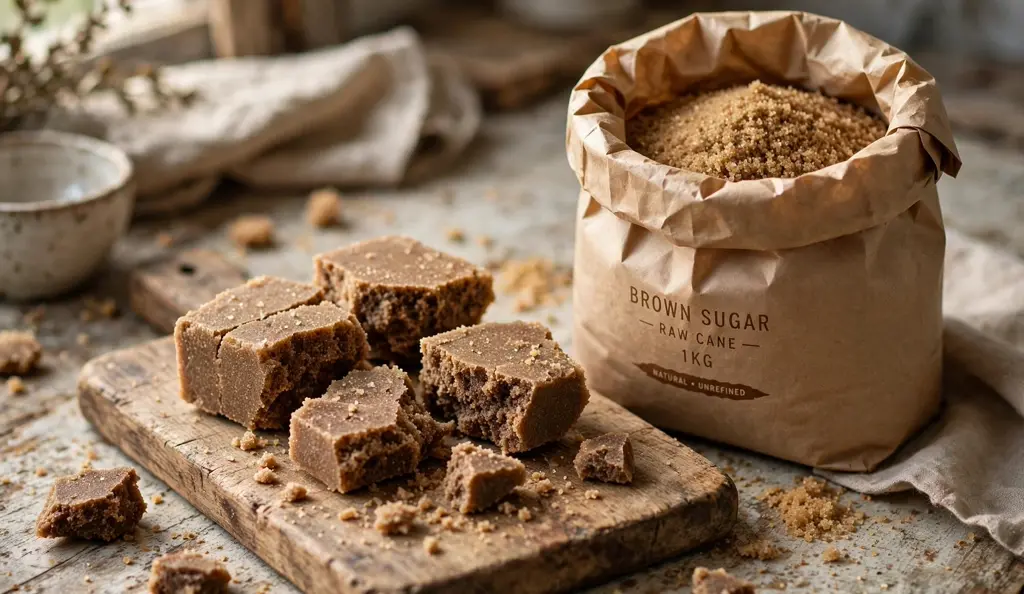
Brown sugar is white sugar with molasses added back in. The molasses is the problem and the prize. It gives brown sugar its color and flavor, and it holds the moisture that keeps the crystals soft.
When air reaches the sugar, that moisture evaporates. The crystals lock together and the whole batch sets like concrete. Heat speeds the drying, so a bag stored near a warm stove hardens faster than one in a cool pantry.
Light brown sugar holds about 3.5 percent molasses by weight. Dark brown sugar holds about 6.5 percent, nearly double, according to the University of Illinois Extension in February 2020. Dark sugar tastes stronger and holds a bit more moisture, but it hardens just as fast when the bag is left open.
Hard brown sugar is not spoiled. It has lost water, not gained germs. Knowing this science helps you understand how to soften brown sugar the right way: you are replacing water, not fixing damage. Domino Sugar notes on its FAQ page that sugar stored in a cool, dry spot has an indefinite shelf life because it does not support microbial growth. You can soften a brick that is months old and bake with it safely.
What Is the Fastest Way to Soften Brown Sugar?
Heat and a little moisture will soften brown sugar in under two minutes when you use the microwave with a damp paper towel. If you want to know how to soften brown sugar in the least time, start there. The oven method takes about five to ten minutes and suits large blocks. Overnight methods with bread, apple, or terra cotta take eight to twenty-four hours but give the most even texture.
6 Proven Methods to Soften Brown Sugar
These are the six most reliable ways to soften brown sugar at home. Pick your method by the clock. Need sugar now? Use Method 1 or 2. Can wait until morning? Use Method 3, 4, or 5. Want a no-heat fix today? Try Method 6.
Method 1: Microwave With a Damp Paper Towel (1 to 2 Minutes)
The microwave is the quickest way to soften brown sugar when baking day cannot wait. The steam from the towel rehydrates the crystals fast.
- Place the hardened sugar in a microwave-safe bowl. Break off only what you need if the brick is huge.
- Wet a paper towel and wring it well. It should be damp, not dripping.
- Lay the towel over the sugar. Microwave on high for 20 seconds.
- Remove the bowl. Rake the sugar with a fork to break up clumps.
- Repeat in 20-second bursts until the sugar feels soft and packable. Most batches need one to three rounds.
- Use the sugar right away. It firms up again as it cools.
Do not overcook it. Too much heat melts the crystals and the sugar sets even harder once cool. Short bursts keep you in control.
Microwave timing by amount
A half cup usually needs a single 20-second burst. One to two cups need two to three bursts. More than two cups belongs in the oven instead.
Method 2: Low Oven for Big Blocks (5 to 10 Minutes)
The oven handles a full brick at once. Gentle heat loosens the whole batch evenly.
- Heat the oven to 250 degrees Fahrenheit (120 degrees Celsius).
- Spread the hardened sugar on a parchment-lined baking sheet or in an oven-safe pan.
- Warm for five minutes. Pull the pan out and break the sugar up with a fork.
- Return it for two to three more minutes if spots are still hard.
- Measure the sugar while it is warm and flexible. Move it to a sealed container right away.
Watch it closely. The line between soft and melted is thin. Pull the sugar as soon as it crumbles.
Method 3: Bread Slice Overnight (8 to 24 Hours)
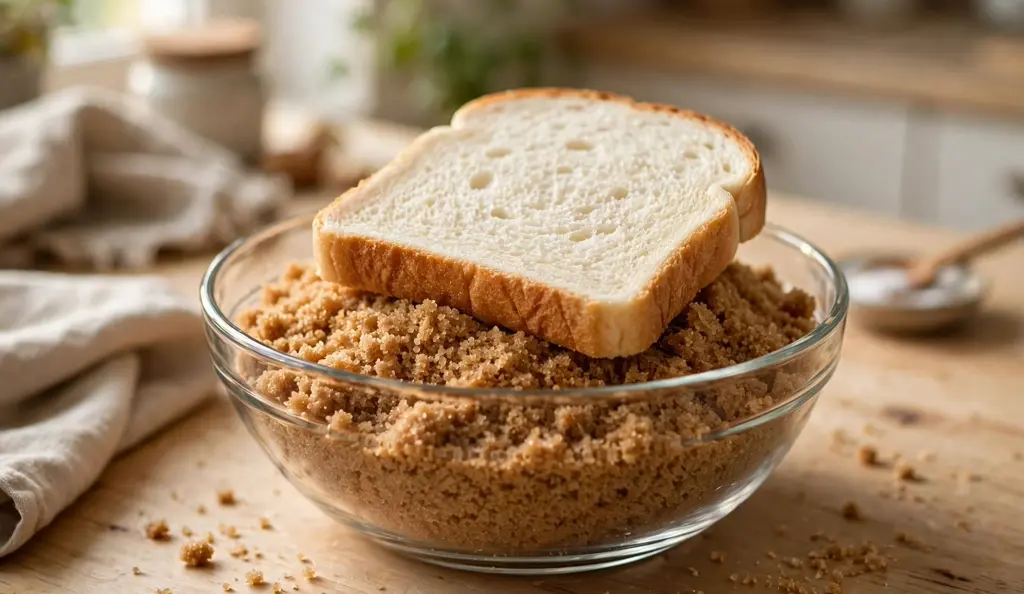
The classic overnight answer to how to soften brown sugar without any heat uses nothing but fresh bread. The sugar borrows moisture from the bread while you sleep.
- Put the hardened sugar in an airtight container.
- Lay one slice of fresh sandwich bread on top of the sugar.
- Seal the container with as little trapped air as possible.
- Leave it on the counter for eight to twenty-four hours.
- Check the sugar. It should break apart with a spoon. Remove the bread.
- If the sugar is still firm, repeat with a fresh slice.
Remove the bread once the sugar is soft. Stale bread left too long can grow mold. Gluten-free bakers should read the warning about this method in the gluten section below before using wheat bread.
Method 4: Apple Slices (4 to 8 Hours)
Apple works faster than bread and suits smaller batches. It can add a faint apple aroma to the sugar.
- Cut an apple into thick wedges. Two or three wedges suit one pound of sugar.
- Place the wedges on top of the sugar in a sealed container. Set the peel side toward the sugar so it does not stick to the flesh.
- Seal tightly and leave for four to eight hours, or overnight.
- Remove the apple once the sugar softens. Take it out within one day so the container stays fresh.
Use this method when you plan to bake soon. The apple note pairs well with apple muffins, spice cakes, or banana bread.
Method 5: Terra Cotta Disk (Several Hours, Then Ongoing)
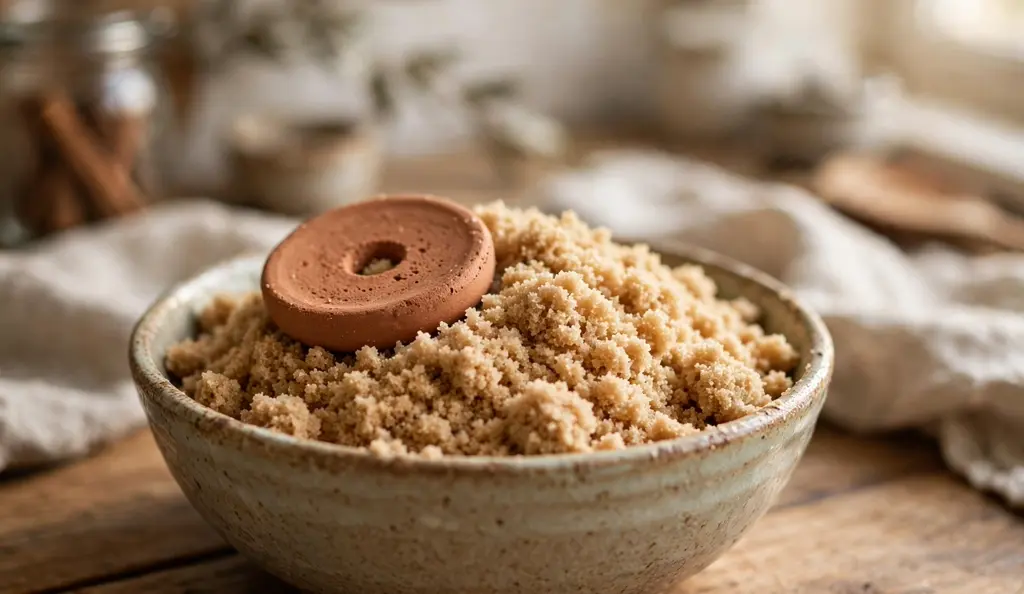
A soaked terra cotta disk, often sold as a brown sugar saver, releases moisture slowly and evenly. It also keeps the sugar soft for weeks after.
- Soak the unglazed disk in clean water for ten to fifteen minutes.
- Pat it dry with a clean towel. It should feel damp, not wet.
- Nestle the disk into the sugar in a sealed container.
- Wait several hours or overnight. The sugar softens from the steady humidity.
- Leave the disk in the container. Re-soak it every few weeks to keep the sugar soft.
This is the best method for people who bake often. The disk does the work in the background and stops future bricks before they start.
Method 6: Water in a Zip-Top Bag (About 5 Minutes)
This no-heat trick shows how to soften brown sugar without a microwave or oven. You knead a tiny amount of water right into the sugar.
- Place eight ounces of hardened brown sugar in a zip-top bag.
- Add three quarters of a teaspoon of water. That is all. More water makes syrup.
- Seal the bag with a little air left inside for movement.
- Knead and squeeze the bag until the clumps break apart and the sugar feels soft.
- Use the sugar right away or move it to an airtight container.
This method shines for one-cup needs. It is faster than the oven and needs no special tools.
Which Method Should You Pick?
Every method works. Use this table to decide how to soften brown sugar for your own timeline and tools.
| Method | Time Needed | Best For | Watch Out For |
|---|---|---|---|
| Microwave and damp towel | 1 to 3 minutes | Sugar needed right now | Overheating makes it harder |
| Low oven | 5 to 10 minutes | Large blocks and full bags | Sugar is very hot to handle |
| Bread slice | 8 to 24 hours | Overnight, hands-off softening | Remove bread to stop mold |
| Apple slices | 4 to 8 hours | Small batches, apple-flavored bakes | Can add apple aroma |
| Terra cotta disk | Hours, then ongoing | Long-term storage and prevention | Needs re-soaking every few weeks |
| Water in zip-top bag | About 5 minutes | One-cup fixes without heat | Too much water makes syrup |
What If My Brown Sugar Is Still Hard?
Some bricks refuse to yield. Try these fallback moves before you give up on the bag.
Add a few drops of water or honey to the sugar and stir hard. A food processor or box grater can break lightly firm clumps into usable grains. Pulse small amounts and shake the bowl between rounds.
If none of these guides on how to soften brown sugar worked, make fresh brown sugar instead. Mix one cup of white granulated sugar with one tablespoon of molasses for light brown sugar, or two tablespoons for dark. Rub them together with a fork until the color is even. It takes about three minutes and bakes exactly like the store kind.
How to Keep Brown Sugar Soft After You Soften It
Softening is half the battle. Once you know how to soften brown sugar, the next skill is keeping it soft. Store it right or it turns back into a brick within weeks. In October 2026 the best advice from test kitchens has not changed: seal out air and give the sugar a steady moisture source.
Move the sugar from its bag into an airtight container the day you open it. The torn bag it came in lets air leak in around the seal. A glass jar with a rubber gasket beats a twist-top plastic tub, because the seal is tighter and the sugar cannot absorb smells.
Drop a soaked terra cotta disk into the jar and leave it there. One reader favorite also works: toss a large marshmallow into the container. It releases moisture slowly and you swap it out when it dries. Buy smaller bags too. Sugar makers advise using an opened package within about six months.
Never store brown sugar in the fridge. The cold air causes condensation, which melts spots of sugar and then rehardens them into worse clumps. The freezer is different. Freeze brown sugar in an airtight bag and it keeps for many months. Thaw it on the counter, then break any clumps with a fork.
What container works best
A glass jar with a locking lid and rubber seal wins. It shows you the sugar level, seals tight, and washes clean. Plastic works if the lid truly locks. Avoid bowls covered with foil or plastic wrap for storage. They leak air and the sugar hardens within days.
Is Brown Sugar Gluten Free?
Plain brown sugar is naturally gluten free. It has two ingredients: white sugar and molasses. Both come from sugarcane or sugar beets. Neither contains wheat, rye, or barley, so neither contains gluten. Gluten is the protein found in those three grains.
Molasses itself is gluten free. It is a byproduct of sugar refining, not a grain product. So the molasses that gives brown sugar its color and moisture adds no gluten risk.
But naturally gluten free and safe for celiac disease are not the same claim. Learn the three levels.
Naturally gluten free
This means the recipe has no gluten ingredients. Plain brown sugar qualifies. It does not guarantee the factory kept it away from gluten.
Labeled gluten free
This means the maker tested the product and labels it gluten free. The FDA set the national rule in August 2013: a food labeled gluten free must contain less than 20 parts per million of gluten. About 1 percent of people worldwide have celiac disease, according to NIH and NIDDK estimates, and this rule protects them.
Certified gluten free
This is the strongest level. A third party like the Gluten-Free Certification Organization (GFCO) tests the product and the facility regularly. The GFCO mark means ongoing checks, not a one-time test.
Cross-contact is the real risk with sugar. A bag made in a plant that also packs wheat flour can pick up traces. Bulk bins are worse, because shoppers scoop flour and sugar with shared tools. Buy sealed bags and check the current label every time, because factories change their lines.
Watch out for flavored brown sugars and spice blends too. Caramel or vanilla-infused brown sugars may contain gluten additives. Brown sugar mixed with cinnamon or spice blends can include gluten-containing fillers. Some brown sugar substitutes use malt-based ingredients from barley. Read the full ingredient list, not just the front of the bag.
For a trusted example, Domino Sugar states on its FAQ page that none of its sugars contain gluten. That statement comes straight from the maker and covers its light and dark brown sugars. If you have celiac disease and react to any product, talk to your doctor or a registered dietitian before using it again.
Can I Use Softened Brown Sugar in Gluten-Free Baking?
Yes. Softened brown sugar behaves exactly like fresh brown sugar in gluten-free baking. It creams with butter the same way and adds the same moisture and caramel flavor to cakes, cookies, and rolls. Just confirm the sugar itself is safe for your diet first, then measure it while it is still soft and packable.
The Bread-Slice Trick Has a Hidden Gluten Risk
Here is what no other brown sugar guide tells you. The classic bread-slice method uses wheat bread. That slice sheds crumbs into the sugar while it sits overnight. Those crumbs contain gluten, and now your whole container of brown sugar is contaminated.
For most bakers this does not matter. For people with celiac disease it matters a lot. Even tiny amounts of gluten can harm some patients. A meta-analysis in The American Journal of Clinical Nutrition in February 2018 found that gluten intake as low as 50 milligrams per day can be harmful to some people with celiac disease.
You cannot fish every crumb out of a jar of sugar. The safest way to soften brown sugar in a celiac-safe kitchen skips wheat bread entirely. Use one of these safe swaps instead.
- Use a slice of certified gluten-free bread. The moisture works the same way.
- Switch to the apple-slice method. Fruit adds no gluten risk at all.
- Use the terra cotta disk. It is the cleanest long-term option for a shared pantry.
- Wipe the microwave bowl before softening sugar if the microwave has cooked gluten foods.
This one change keeps your softened sugar safe. The other five methods need no changes at all.
Baking With Your Softened Sugar: Gluten-Free Ideas
Soft sugar measures accurately and creams smoothly with butter, which matters in gluten-free baking where texture is already tricky. In October 2026 our kitchen used a freshly softened batch in all three of these tests and the results were perfect.
Make a batch of cupcakes and watch the caramel note lift a plain vanilla crumb. The molasses keeps the crumb moist for days, which helps because gluten-free cakes dry out fast. Brown sugar also shines in cinnamon rolls, where the filling needs that deep, gooey sweetness.
For breakfast, stir it into pancakes instead of white sugar. The batter browns faster because molasses caramelizes quickly, so lower the heat slightly and watch the first side.
One baking tip most guides skip: molasses is slightly acidic, and that acid reacts with leaveners. If your recipe calls for baking soda and you swap in dark brown sugar, the extra acid can over-activate the soda and then collapse the rise. Our baking soda vs baking powder guide explains which leavener suits which sugar. And if your baking also needs egg swaps, the egg substitute guide lists what works in gluten-free batters.
Brown Sugar Softening FAQs
How long does it take to soften brown sugar?
The microwave takes one to three minutes. The oven takes five to ten minutes. The zip-top bag trick takes about five minutes. Bread, apple, and terra cotta methods take four to twenty-four hours.
Can I soften brown sugar without a microwave?
Yes. Use the low oven method for five to ten minutes at 250 degrees Fahrenheit. The zip-top bag trick also works with no heat. For overnight results, seal the sugar with bread or apple slices.
Is hard brown sugar still safe to eat?
Yes. Hard sugar has lost moisture, not freshness. It is safe to eat and bake with once softened. Sugar does not support microbial growth, so an old brick is still fine if it smells normal.
Why did my brown sugar turn hard in one week?
The bag was not sealed well. Air leaks let moisture escape fast, especially in dry kitchens or near warm stoves. Move sugar to an airtight container the day you open the bag.
Can I use a food processor to soften brown sugar?
Yes, for lightly firm clumps. Pulse small amounts and shake the bowl between rounds. Do not use it on a solid brick. The blades can strain against a rock-hard block.
How do I make brown sugar from white sugar?
Mix one cup of white granulated sugar with one tablespoon of molasses for light brown sugar. Use two tablespoons for dark. Rub with a fork until the color is even. It takes about three minutes.
How do I store brown sugar so it never hardens?
Use an airtight glass jar with a locking lid. Add a soaked terra cotta disk or a large marshmallow for steady moisture. Keep it in a cool, dry spot and use the opened bag within six months.
Can you freeze brown sugar?
Yes. Seal it in an airtight freezer bag and freeze for many months. Thaw on the counter, then break up any clumps with a fork. Freezing pauses the hardening process completely.
Does dark brown sugar harden faster than light?
No. Dark brown sugar holds about 6.5 percent molasses versus 3.5 percent in light, per the University of Illinois Extension in February 2020. Both harden at a similar rate when exposed to air. Dark sugar may feel firmer sooner because it is denser.
Will softened brown sugar harden again?
Yes, if you store it poorly. Sugar softened in the microwave firms up as it cools, so use it right away. For lasting softness, move the sugar to a sealed container with a terra cotta disk or marshmallow.
Is brown sugar gluten free?
Plain brown sugar is naturally gluten free because it contains only sugar and molasses. Watch for cross-contact in shared facilities and bulk bins. Flavored or blended brown sugars can contain gluten additives, so read the label.
Can people with celiac disease use the bread-slice method?
Only with gluten-free bread. Regular wheat bread sheds crumbs into the sugar and contaminates the whole container. Use certified gluten-free bread, apple slices, or a terra cotta disk instead.
Does brown sugar have fewer calories than white sugar?
No. The two are nearly identical in calories. Brown sugar contains about 95 percent sucrose and 98 percent carbohydrates, according to Wikipedia. Its value is flavor and moisture, not nutrition.
What can I use instead of a terra cotta disk?
A large marshmallow works well and lasts weeks. A slice of fresh bread or apple wedges work for a day or two. In a pinch, a damp paper towel sealed in the container overnight adds moisture too.
The Bottom Line
Learning how to soften brown sugar saves money and baking plans. Brown sugar hardens because its molasses loses moisture to the air. The fix is simple: add moisture back with a damp towel and microwave for the fastest rescue, or seal the sugar with bread, apple, or a terra cotta disk overnight for the gentlest fix. Six methods cover every timeline.
Store it airtight with a moisture keeper and you may never face a brick again. And if you bake gluten free, choose your softening method with cross-contact in mind. Soft sugar is only the start; safe sugar is the goal.
Read more about brown sugar on Wikipedia.