Gluten Free Mac and Cheese That Stays Creamy
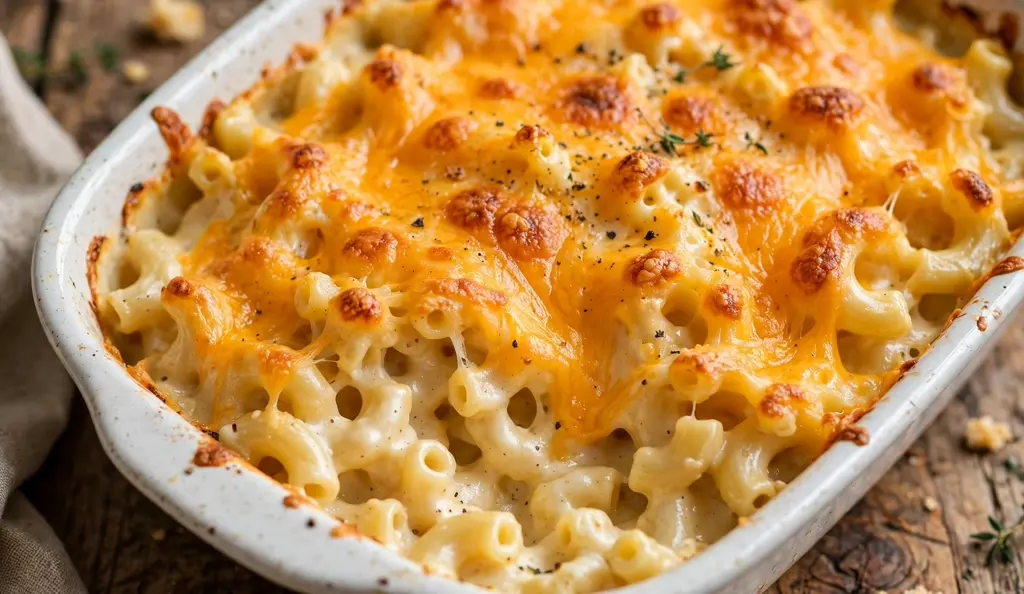
Picture a bowl of mac and cheese so creamy it coats every elbow in a golden blanket of cheese sauce. That is exactly what this gluten free mac and cheese delivers. You need just 30 minutes, one pot for the pasta and one pan for the sauce. The answer to the big question is simple. Yes, you can make gluten free mac and cheese that tastes just as rich and smooth as the classic version. You only need the right flour for the roux, the right pasta brand, and freshly grated cheese. This guide gives you the full recipe, the science-free-simple tips, and every mistake to avoid. Updated for October 2026.
In this guide you will learn the exact ingredients with measurements, the step-by-step method, and which gluten-free flours and pastas hold up best. You will also learn how to fix a grainy sauce, how to store and reheat leftovers, and how to make a dairy-free version. By the end, you will cook this gluten free mac and cheese with total confidence. No more mushy pasta. No more gluey sauce.
The Complete Gluten Free Mac and Cheese Recipe
This recipe feeds six people as a main dish and eight as a side. Prep time is 10 minutes. Cook time is 20 minutes. The method is classic. You boil gluten-free pasta, build a smooth roux (butter and flour cooked together to thicken a sauce), whisk in milk, melt in cheese off the heat, and fold it all together. Nothing fancy, just the right technique.
Ingredients
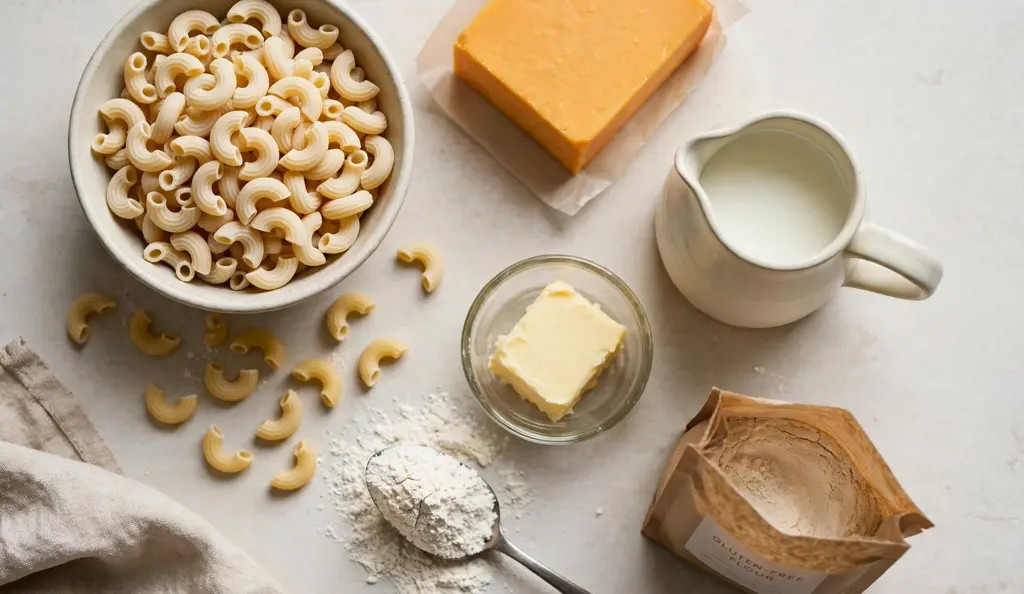
- 12 oz (340 g) gluten-free elbow macaroni, such as Barilla or Jovial
- 4 tbsp (60 g) unsalted butter
- 1/4 cup (30 g) 1-to-1 gluten-free flour blend
- 1 tsp kosher salt, plus more for the pasta water
- 1/2 tsp black pepper
- 1/2 tsp garlic powder
- 1/4 tsp dry mustard powder (optional, it sharpens the cheese flavor)
- 3 cups (720 ml) whole milk, warmed
- 3 cups (300 g) sharp cheddar cheese, freshly grated
- 1/2 cup (50 g) Parmesan cheese, freshly grated
Step-by-Step Method
- Boil the pasta short. Fill a large pot two-thirds full with water and bring it to a hard boil. Add a generous spoonful of salt. Add the pasta and stir right away, then keep stirring every 20 to 30 seconds so the elbows do not stick. Cook it 2 minutes LESS than the package says. Gluten-free pasta keeps cooking in the hot sauce, so slightly firm is perfect.
- Save pasta water, then drain. Scoop out 1 cup of the starchy cooking water before you drain. Drain the pasta and rinse it very quickly, less than 5 seconds, under warm water. This washes off extra starch that makes gluten free mac and cheese gummy. Move the pasta aside.
- Start the roux. Melt the butter in a large saucepan over medium heat. Whisk in the flour, salt, pepper, garlic powder, and mustard powder. Keep whisking for 60 to 90 seconds. The mix should smell a little nutty and look like wet sand. Do not let it brown.
- Add warm milk slowly. Pour in a small splash of warm milk first and whisk hard until smooth. Then pour in the rest in a slow stream while whisking. Warm milk meets hot roux without lumps. Cold milk shocks it and causes clumps. Bring the mix to a gentle simmer and stir constantly for 4 to 5 minutes until it thickens enough to coat the back of a spoon.
- Melt the cheese off the heat. Take the pan OFF the burner. Add the cheddar in small handfuls, stirring until each handful melts before you add the next. Stir in the Parmesan. If the sauce feels too thick, whisk in a splash of the reserved pasta water.
- Fold and serve. Add the drained pasta to the sauce and fold gently until every elbow is coated. Taste and add more salt if needed. Serve right away while it is hot and glossy.
Which Gluten-Free Flour Makes the Smoothest Roux?
The roux is the backbone of any mac and cheese. It is just butter and flour cooked together, and it decides whether your sauce turns silky or gluey. A 1-to-1 gluten-free baking blend is the best pick for gluten free mac and cheese. These blends mix rice flour, potato starch, and tapioca starch to copy wheat flour, so they thicken the sauce the same way. Bob’s Red Mill makes one of the most widely tested blends for this job.
Sweet rice flour is a close second. It gives a slightly glossy, extra smooth sauce. A cornstarch slurry also works in a pinch. Whisk 2 tablespoons of cornstarch into 2 tablespoons of cold milk, then stir it into the simmering milk instead of making a roux. Cassava flour works for a grain-free version, though the sauce tastes a touch sweet. Never use almond flour or coconut flour here. They are too fatty and grainy to thicken a sauce, and your gluten free mac and cheese will turn oily instead of creamy.
What flour works best in gluten free mac and cheese?
A 1-to-1 gluten-free baking blend works best because it copies the thickening power of wheat flour. Sweet rice flour is a close second and gives a silky sauce. Avoid almond and coconut flour. They do not thicken the roux and will make the sauce grainy or oily.
| Flour | Thickening power | Sauce texture | Best for |
|---|---|---|---|
| 1-to-1 GF baking blend | Strong, like wheat flour | Smooth and creamy | Everyday mac and cheese |
| Sweet rice flour | Strong | Silky, slightly glossy | An extra smooth sauce |
| Cornstarch slurry | Strong and fast | Glossy, can turn gummy | When flour runs out |
| Cassava flour | Medium | Mild, faintly sweet | A grain-free option |
| Almond or coconut flour | Weak | Grainy or oily | Avoid for the roux |
If you want to learn more about cornstarch as a thickener, read Is Cornstarch Gluten Free? The 2026 Safety Answer. It covers which brands are safe and how to spot cross-contact on the label.
What Pasta Holds Up Best in Gluten Free Mac and Cheese?
Not all gluten-free pasta cooks the same, and the brand matters more here than in any other pasta dish. Corn and rice blend elbows hold their shape best. Barilla makes a gluten-free elbow from corn and rice flour in a dedicated gluten-free facility, which lowers the cross-contact risk. Jovial brown rice elbows are another strong pick, with a firm bite that survives the sauce. Chickpea or lentil pastas taste beany and fall apart faster, so save them for salads.
Cooking technique matters just as much as the brand. Use a big pot with plenty of water, because gluten-free pasta foams a lot. Salt the water well once it boils. Stir from the very start and often. Start tasting 2 minutes before the package time ends. Pull the pasta when it is just shy of done. It finishes in the hot cheese sauce.
Watch out for shared pasta water
Here is a cross-contact trap many home cooks miss. Never boil gluten-free pasta in water that cooked regular pasta earlier, even if you rinse the pot quickly. Tiny bits of wheat pasta and starchy water cling to the pot walls. The Celiac Disease Foundation notes that celiac disease affects about 1 in 100 people worldwide, and for those readers even small traces matter (Celiac Disease Foundation, March 2026). Use a clean pot, clean water, and a clean colander every time.
Which Cheese Melts Best in Gluten Free Mac and Cheese?
Sharp cheddar is the classic choice. It brings strong flavor, so you need less of it. Parmesan adds salty depth and helps the sauce cling. Smoked gouda, Gruyere, fontina, and Monterey Jack also melt beautifully if you want to change the flavor. Cream cheese, stirred in at the end, makes the sauce extra rich.
The single biggest rule is to grate your own cheese. Pre-shredded cheese is coated with potato starch or cellulose to stop clumping. Those anti-caking powders are gluten free, but they fight melting and can make your gluten free mac and cheese gritty. A block of cheddar and five minutes with a box grater give you a far smoother sauce. Also, cheese should sit at room temperature for 15 minutes before it hits the sauce. Cold cheese melts unevenly.
Why is my gluten free mac and cheese gritty?
The sauce is gritty when cheese goes into liquid that is too hot. High heat makes cheese proteins tighten and squeeze out fat, which forms grainy clumps. Take the pan off the heat first. Add grated cheese in small handfuls and stir until each melts before adding more.
The Hidden Gluten Check Nobody Does in Mac and Cheese
Most guides stop at “use gluten-free pasta and flour,” but hidden gluten hides in the supporting cast of gluten free mac and cheese. Check these five spots every time you cook.
First, read the pasta box again, even if you bought it before. Recipes change, and a brand can move production to a shared line. Look for the words “gluten-free” on the package or, better, a certification mark. The Gluten-Free Certification Organization (GFCO) tests finished products to 10 parts per million of gluten or less, which is twice as strict as the FDA rule. The FDA allows foods labeled “gluten-free” to contain less than 20 parts per million of gluten under its final rule of August 2013 (FDA, August 2013). Certified beats merely labeled when safety matters.
Second, check spice blends and bouillon. Plain salt, pepper, and garlic powder are fine, but some seasoning mixes use wheat flour as a filler or anti-caking agent. Third, look at any crunchy topping. Breadcrumbs, crackers, or fried onions must be labeled gluten free, not just wheat free, because wheat free does not always mean gluten free. Fourth, wipe down shared surfaces. Flour dust from regular baking hangs in the air and settles on counters, so wash the counter and use clean utensils. Fifth, check the label on pre-shredded cheese if you ignored the grating advice. The starches are gluten free, but the label confirms no shared-line warning. As of October 2026, label rules have not changed, so this checklist still holds.
How Do You Store and Reheat Gluten Free Mac and Cheese?
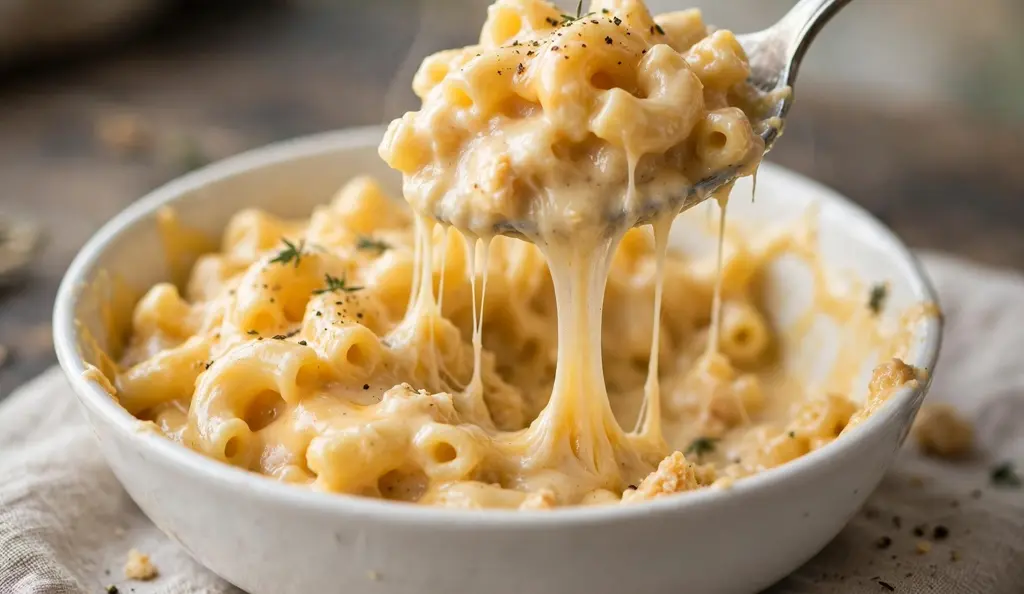
Gluten free mac and cheese is best fresh, but leftovers work well with the right method. Cool the dish within two hours of cooking, then move it to an airtight container. It keeps in the fridge for 3 to 4 days. For exact fridge timelines on leftovers in general, see How Long Do Leftovers Last in the Fridge?.
To reheat, warm it gently in a saucepan over low heat with a splash of milk, stirring until creamy again. The microwave works too. Heat in 60-second bursts, stir between bursts, and add milk as needed. Avoid high heat, which splits the sauce. If you are cooking for a crowd or prepping ahead, store the pasta and the cheese sauce in separate containers. Gluten-free pasta turns soggy faster than wheat pasta when it sits in sauce overnight, so combining them fresh at serving time keeps the texture firm.
Freezing is not the best move. Cooked gluten-free pasta plus dairy turns soft and watery after thawing. If you must freeze it, freeze the cheese sauce alone in a freezer bag for up to 2 months, then cook fresh pasta on serving day. Thaw the sauce overnight in the fridge and rewarm it gently. For more on how freezing affects cheese, read Can You Freeze Cheese? The 2026 Cheese-Saving Guide.
Can You Make Gluten Free Mac and Cheese Dairy Free?
Yes, and it can still taste rich. Swap the butter for dairy-free butter sticks or olive oil. Replace the milk with unsweetened cashew milk, which tastes more neutral than almond milk. For the cheese, use a dairy-free shred that you know melts well. Quality varies a lot between brands, so pick one you have tested before, not a random bag off the shelf.
Cashew cream is the secret weapon for a dairy-free version. Blend 1 cup of soaked cashews with 1 cup of water until completely smooth, then use it in place of the milk. It gives body that plant milks lack. Add 2 tablespoons of nutritional yeast for a cheesy flavor boost. If dairy-free cooking is your everyday life, browse Gluten Free Dairy Free Recipes You’ll Actually Love for more ideas that skip both gluten and dairy without tasting like a compromise.
One note for readers with celiac disease: dairy-free products carry the same label rules as everything else. Check for a gluten-free label on vegan cheese and plant milk, because shared lines are common in those factories. If you are newly diagnosed, talk with your doctor or a registered dietitian about building a safe pantry.
Gluten Free Mac and Cheese: Your Questions Answered
Is mac and cheese gluten free?
Classic mac and cheese is not gluten free. Regular pasta is made from wheat, and the roux uses wheat flour. But gluten free mac and cheese made with certified gluten-free pasta and a gluten-free flour blend is safe for a gluten-free diet. Always check every label.
What pasta should I buy for gluten free mac and cheese?
Corn and rice blend elbows hold up best. Barilla and Jovial are two reliable brands. Avoid chickpea or lentil pasta for this dish, since the beany flavor fights the cheese sauce and the texture breaks down faster.
Can I use regular flour if nobody at the table has celiac disease?
No. If the dish is meant to be gluten free, every ingredient must be gluten free. One spoonful of wheat flour contaminates the whole pan. Cook the full gluten-free version instead. It tastes just as good.
Why does gluten-free pasta go mushy?
It overcooks fast because it lacks the gluten protein network that keeps wheat pasta firm. Cook it 2 minutes less than the package says, use a big pot of well-salted boiling water, and stir often. Move it into the sauce quickly so it finishes cooking there.
Should I rinse gluten-free pasta?
A very quick rinse, under 5 seconds, helps here. Gluten-free pasta releases extra surface starch that makes the sauce gummy. A fast rinse washes that off without cooling the pasta too much. Do not soak it.
Can I make gluten free mac and cheese ahead of time?
Yes. Cook the pasta and the cheese sauce separately, cool them, and store them in separate airtight containers in the fridge for up to 2 days. Warm the sauce gently with a splash of milk, fold in the pasta, and serve. The texture stays much better this way.
How long does gluten free mac and cheese last in the fridge?
It lasts 3 to 4 days in an airtight container. Cool it within two hours of cooking before refrigerating. Reheat gently with a splash of milk and stir until creamy again.
Can you freeze gluten free mac and cheese?
It is not recommended. The pasta turns soft and the dairy sauce can split after thawing. If you need to freeze something, freeze the cheese sauce alone for up to 2 months and cook fresh pasta when you serve it.
Can I bake gluten free mac and cheese?
Yes. Use about one-third less pasta, since it keeps absorbing liquid in the oven. Undercook the pasta by 4 minutes, fold it into the sauce, top with gluten-free breadcrumbs, and bake at 350 F for 25 to 30 minutes until bubbly and golden.
What cheese melts best?
Sharp cheddar plus Parmesan is the classic combo. Gouda, Gruyere, fontina, and Monterey Jack also melt smoothly. Always grate cheese fresh from the block. Pre-shredded cheese contains anti-caking starches that make the sauce grainy.
How do I stop the sauce from going grainy?
Take the pan off the heat before adding cheese. Add grated cheese in small handfuls and stir until each melts. Never boil the sauce after the cheese goes in. Warm the milk before adding it to the roux so the base starts smooth.
Can I make it without milk?
Yes. Use unsweetened cashew milk for the closest neutral flavor. Cashew cream, made by blending soaked cashews with water, gives the richest dairy-free result. Add nutritional yeast for extra cheesy flavor.
Do boxed gluten-free mac and cheese versions exist?
Yes. Several big brands sell boxed gluten-free mac and cheese as of October 2026. They work for busy nights, but homemade tastes better and lets you control the ingredients. Check the box label each time you buy, because recipes change.
Is gluten free mac and cheese safe for celiac disease?
It can be, if every ingredient is labeled gluten free or certified gluten free and you cook with clean equipment. Use a clean pot, clean water, and clean utensils to avoid cross-contact. When in doubt, check with your doctor or a registered dietitian.
The Creamy Bowl Is Waiting
The secret to great gluten free mac and cheese is not a trick ingredient. It is three simple habits. Pick a corn and rice pasta that holds its shape. Build your roux with a 1-to-1 gluten-free flour blend. Melt freshly grated cheese off the heat, one handful at a time. Do those three things and the sauce stays silky, the elbows stay firm, and nobody at the table guesses it is gluten free. Store leftovers right, reheat them gently, and check your labels every time you shop. Now grab a box grater and get that pot of water boiling. Dinner is 30 minutes away.
New to this way of eating? Read the overview of the gluten-free diet to learn the basics.